
Best Sheet Metal Crafting Ideas for DIY Enthusiasts
2026-06-13
Have you ever looked at a plain sheet of metal and wondered what it could become? For DIY enthusiasts, metal crafting opens a door to endless creativity—from sleek home décor to rugged outdoor gear. Yet, finding fresh, practical ideas can feel overwhelming. That’s where TPS steps in, offering not just inspiration but the tools to bring your visions to life. This post rounds up the best sheet metal crafting ideas that balance simplicity with wow factor, so you can start your next project with confidence and a spark of imagination.
Turning Scrap into Sculptures: A Primer on Metal Art
Walking through a junkyard can feel like wandering a gallery of forgotten stories. Rusted gears, bent pipes, and worn-out tools hold a quiet promise if you know how to listen. The leap from discarded metal to expressive sculpture begins with seeing potential where others see waste. Start by collecting pieces that spark curiosity—irregular shapes, interesting textures, or fragments that suggest movement. Pay attention to how rust and patina add depth, telling tales of time and use without a word. This raw material isn’t just free; it carries a history that brand-new steel never could.
Once you’ve assembled a personal stockpile, the real play starts. Many sculptors avoid rigid blueprints, preferring to let the metal guide the final form. A cracked sprocket might become a figure’s face; tangled wire can mimic hair or wind. Basic welding skills open up the most possibilities, but you don’t need a full shop to begin—cold connections like riveting or bolting work wonders. Angle grinders and a sturdy vise are your faithful allies for cutting, shaping, and teasing parts into relationship. Experiment freely on small assemblies before committing to a larger piece; mistakes often lead to the most honest breakthroughs.
Finishing your sculpture is less about polish and more about preserving the narrative. Resist the urge to aggressively sand away every imperfection. A light coat of wax or clear sealant locks in the character while protecting against further decay. If you add color, do so sparingly—a single painted line can inject energy, but obscuring the metal’s natural skin risks muting its voice. As you grow, explore chasing and repoussé to emboss surfaces, or incorporate found objects still recognizable in their former lives. Each scrap brings its own language; your job is to arrange the conversation.
From Flat to Fabulous: Simple Bending Techniques for Stunning Projects
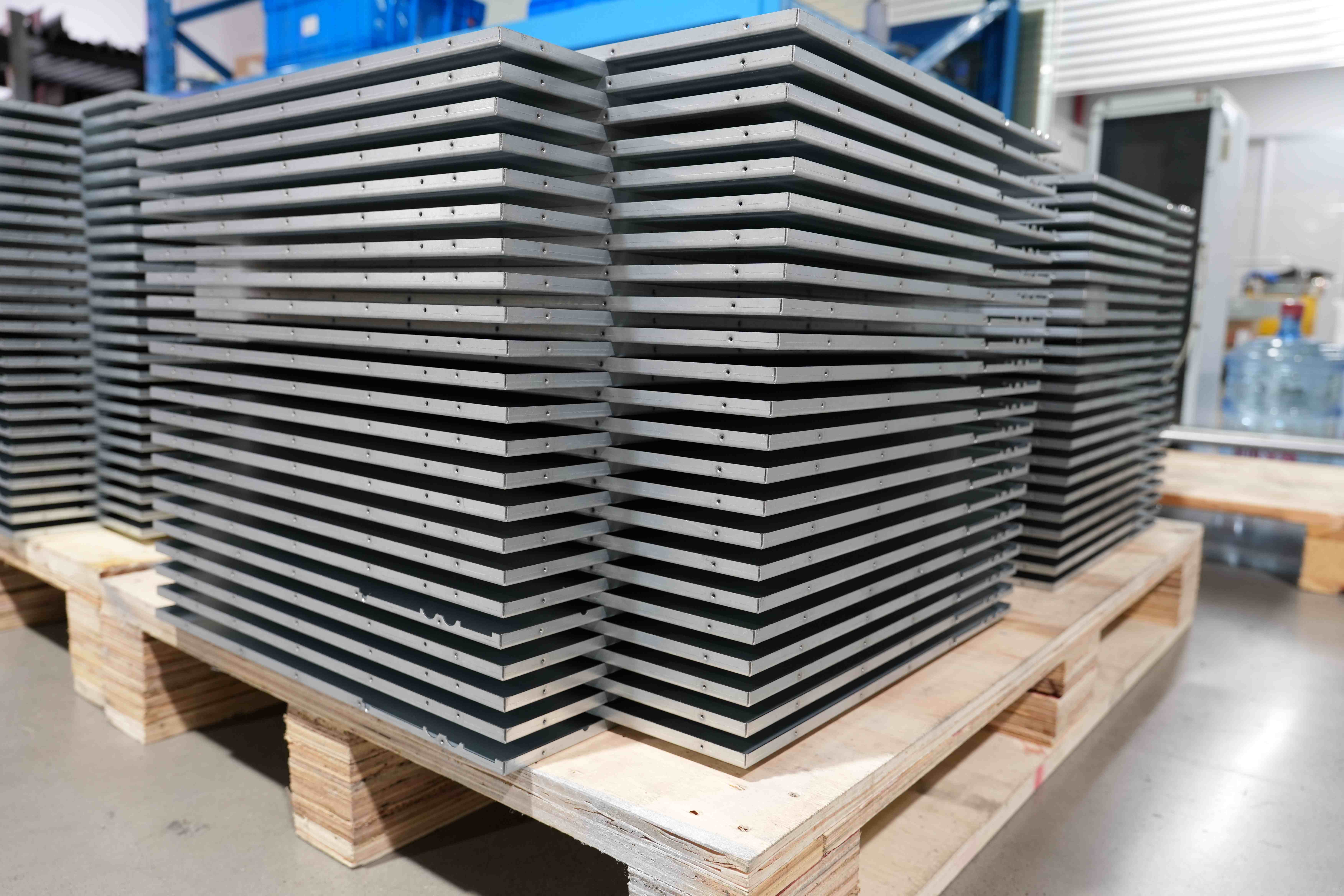
Long sheets of metal, wood veneer, or acrylic often sit idle because they seem too flat to be useful. The leap from a two-dimensional plane to a functional object is surprisingly small—once you grasp a few basic bending methods, everyday materials transform into sculptural forms with minimal equipment. A sturdy workbench and some clamps are enough to get started.
For crisp bends in thin metal, clamp the sheet between two hardwood boards right along the intended fold line, then gradually apply hand pressure or gentle hammer taps. Heat-sensitive plastics like acrylic become incredibly cooperative after a quick pass with a heat gun, letting you shape smooth curves around a form. With wood veneer, pre-softening the fibers with warm water and a sponge prevents cracking as you ease it into a arc.
Once you have the basics under your belt, small-scale experiments lead to stunning results: a minimalist wall shelf shaped from a single bent aluminum strip, a sweeping lamp shade from a translucent polymer sheet, or curved plywood planters that seem to float off the wall. The key is letting go of perfection and enjoying how each bend adds character.
Rustic Charm: Crafting Custom Home Decor from Sheet Metal
There’s something undeniably warm about bringing raw metal into a living space, especially when it’s shaped by your own hands. Sheet metal, with its subtle imperfections and timeworn patina, offers a canvas for creating pieces that feel both sturdy and deeply personal. From a simple candle holder hammered into gentle curves to a wall-mounted coat rack with hand-cut silhouettes, each project carries a bit of your story in its texture.
Working with this material doesn’t demand a professional workshop—just a few basic tools and a willingness to experiment. Snips, a mallet, and some sandpaper can transform a flat sheet into a lantern that dances shadows across the room, or a set of rustic curtain tiebacks that catch the morning light. The beauty lies in the process: every dent and scratch becomes part of the design, blending industrial strength with a soft, lived-in feel.
What makes these creations stand out is how they pair with other materials. A sheet metal vase, darkened with a vinegar-salt solution, looks striking against faded linen or reclaimed wood. Add a twisted wire handle or a riveted seam, and suddenly you’ve got a piece that sparks conversation—one that feels both nostalgic and utterly original, without trying too hard.
Making It Your Own: Personalized Metal Signs and Wall Hangings
Your walls shouldn't just echo trends you've seen a hundred times. When you personalize a metal sign, a simple family surname becomes the anchor of a gallery wall, or a line from your grandfather's letters gets cut into steel where you'll read it every morning. We've had people send in doodles their kids made, transferred onto aluminum with every wobbly line preserved, or coordinates engraved for the spot where they said 'yes'—each piece begins with your story, not a template.
Customization goes further than what you want to say. You might choose a brushed brass finish that warms up a white kitchen, or a raw iron look that fits an industrial loft. Sizes are cut to the inch for that narrow wall by the stairs, and fonts are matched to the exact style you've used in your own wedding invitations. Some customers sketch out ideas on napkins; our team turns them into clean, durable art. The end result isn't just decor—it's a one-off that no catalog will ever duplicate.
Functional Flair: DIY Tool Holders, Planters, and Organizational Solutions
Blending function with a personal touch, DIY tool holders can turn clutter into character. A simple wooden pegboard stained in a rich walnut hue does more than just keep wrenches in sight—it becomes a wall feature that speaks to your craftsmanship. For smaller spaces, repurposed tin cans wrapped in jute twine and mounted on a reclaimed plank offer a rustic, budget-friendly option that corrals screwdrivers and pliers without screaming “hardware aisle.”
When it comes to planters, think beyond the terracotta pot. An old wooden ladder leaned against the balcony wall transforms into a vertical herb garden when its rungs cradle salvaged metal buckets. For indoor charm, hollowed-out hardcover books make whimsical yet sturdy homes for succulents, while a hanging macramé holder crafted from cotton rope brings a soft, organic vibe to your leafy friends. These pieces marry greenery with storytelling, so your space feels curated rather than cluttered.
Organizational solutions don’t have to be sterile; they can be part of the décor. Glass jars with brass labels not only store pantry staples but also catch the morning light beautifully. In the entryway, a DIY coat rack made from vintage doorknobs on a distressed board turns daily chaos into a charming ritual. Even a simple shoe organizer sewn from durable canvas with leather trim looks intentional and chic when it stands proudly by the door. The key is to treat storage as an opportunity for expression, not an afterthought.
The Joy of Joining: Riveting and Welding for Beginners
There's a quiet thrill that comes from turning two cold, stubborn pieces of metal into one solid, reliable thing. With a rivet gun in hand, you don't need a fancy workshop or years of training to feel that click—literally—as the mandrel snaps and the joint locks tight. It's immediate, that satisfaction. You eyeball a hole, slide the rivet through, squeeze, and suddenly you're not just a tinkerer; you're a builder, holding something that won't rattle apart down the line.
Welding, on the other hand, feels almost like drawing with fire. The arc sparks and you watch a pool of molten metal chase your hand, fusing edges into one continuous seam. It's messy, sure, and the helmet makes you feel a bit like a spaceman, but the first time you lift that mask and see a bead that actually holds, you're hooked. Beginners often think it's all about brute strength, but it's more about patience and a steady breath—a kind of meditation with a bright, hot end.
What makes joining metal so addictive is how it blends raw practicality with a dash of magic. Riveting is like dot connecting: quick, clean, and forgiving if you mess up. Welding is the deeper dive—flame, filler, and a careful dance of speed and angle. Both methods let you patch a broken chair, build a bike rack, or craft a sculpture that starts conversations. And for all their differences, they share the same simple joy: you take separate pieces, and with your own hands, you make them one. That never gets old.
FAQ
A simple candle holder is a great entry point. You just need a small piece of copper or aluminum, tin snips, and a drill to punch some decorative holes. Bend the edges over a form and you’ve got something functional and stylish without much fuss.
Try adding patinas or heat coloring. Copper, for example, takes on rich blues and reds when torched right. You can also use letter stamps to emboss patterns, or combine metal with wood or leather accents to soften the look.
A custom wall-mounted tool organizer or magnetic knife strip. Thin galvanized steel is easy to cut and shape, plus magnets hold strong. It keeps workspaces tidy and beats anything store-bought in both fit and character.
Old baking sheets or scrap roofing tin can be turned into garden art, like birdhouses or plant markers. Cut and fold them into simple shapes, then let them rust naturally for a rustic vibe—imperfections actually add charm.
Once you’re comfortable cutting and bending, try your hand at basic riveting or soldering. Rivets let you join pieces cleanly without welding, and solder can create neat, hidden bonds. Both open up more structural designs, like boxes or lanterns.
Invest in a good set of metal files and some wet/dry sandpaper. After cutting, spend a few minutes deburring every edge until it’s smooth to the touch. Then hit the surface with fine steel wool for a uniform satin sheen—worth the elbow grease.
Silhouettes for wall decor are very doable. Sketch a shape—a tree, an animal, a skyline—trace it onto thin aluminum, and carefully cut with aviation snips. Mount on a stained wood backer and you’ve got a piece that looks far more intricate than it really is.
Clamp it between two sturdy pieces of wood right at the bend line, then use a block and a mallet to coax the metal up gradually. Work slowly and you’ll get crisp, even folds—it’s low-tech but surprisingly precise with a bit of patience.
Conclusion
Exploring the world of sheet metal crafting opens up endless possibilities for DIY enthusiasts looking to transform humble materials into striking works of art. One of the most rewarding approaches is repurposing scrap metal into unique sculptures, where jagged remnants find new life as captivating centerpieces or garden accents. For those drawn to cleaner lines, mastering simple bending techniques can turn flat sheets into gorgeous curved forms for projects like modern light fixtures or sleek furniture details. The rustic appeal of handcrafted decor also shines when you shape metal into custom wall art, candle holders, or even entire accent walls that bring industrial warmth to any room. And there’s something deeply satisfying about designing personalized signs or wall hangings that reflect your own style, whether it’s a family nameplate or an inspirational quote cut and finished to perfection.
Beyond aesthetics, sheet metal offers incredible practicality for creating organizational tools and functional pieces. Imagine crafting sturdy tool holders that keep your workshop tidy, or sculptural planters that add greenery to indoor and outdoor spaces with a touch of industrial chic. The process of joining pieces together—through riveting or beginner-friendly welding—adds a whole new dimension, allowing you to construct robust shelves, custom brackets, or even fire pits. These joining skills not only strengthen your projects but also open the door to more complex creations. Whether you’re bending, cutting, or fastening, the blend of creativity and hands-on skill makes sheet metal work a deeply fulfilling hobby. Each project, from a simple hook to an elaborate sculpture, carries the mark of your craftsmanship, proving that with a bit of imagination, even the humblest metal sheet can become something truly remarkable.
Contact Us
Contact Person: Lily
Email: [email protected]
Tel/WhatsApp: +49 (0) 2161 49526-0
Website: https://tps-elektronik.com/en/