
Best Ski Socks for All-Day Warmth and Dry Comfort
2026-05-25
When you're carving down the slopes, the last thing you want is cold, damp feet ruining your run. The secret to all-day warmth and dry comfort lies in a pair of ski socks that truly deliver—and that's where Mingjun comes in. Designed with advanced moisture-wicking fabrics and targeted cushioning, these socks keep your toes toasty without the bulk, so you can focus on the thrill of the mountain. Ready to discover how the right socks can transform your skiing experience? Let's dive in.
Why Merino Wool Is a Skier’s Best Friend
On the mountain, conditions can shift from sunny to stormy in minutes. Unlike synthetic fabrics that leave you shivering the moment they get damp, merino wool actively generates heat when it absorbs moisture—a phenomenon science calls heat of sorption. This means even if you work up a sweat carving turns or take a spill in fresh powder, the fabric helps regulate your temperature instead of turning into a cold, clammy shell. It’s like having a built-in thermostat that adapts to your effort, not the other way around.
There’s also the quiet luxury of not stinking. Merino’s natural antimicrobial properties fight odor at the source, so you can go from first chair to après drinks without that wet-dog scent clinging to every layer. And because the fibers are incredibly fine and soft, there’s none of the infamous wool itch—just a smooth, barely-there feel that moves with you through deep tucks and pole plants. Skiing demands gear that disappears into the experience, and merino does exactly that.
Finally, merino’s ability to breathe while still blocking wind gives it an edge no laminate can quite mimic. It traps just enough air to insulate without trapping moisture, so you stay dry on the skin side even when external temps drop. For anyone who’s ever felt that icy trickle down their spine from a not-quite-right base layer, the difference is immediate. Merino doesn’t just keep you warm—it keeps you comfortably in the moment, lap after lap.
The Trick to Keeping Feet Bone-Dry All Day
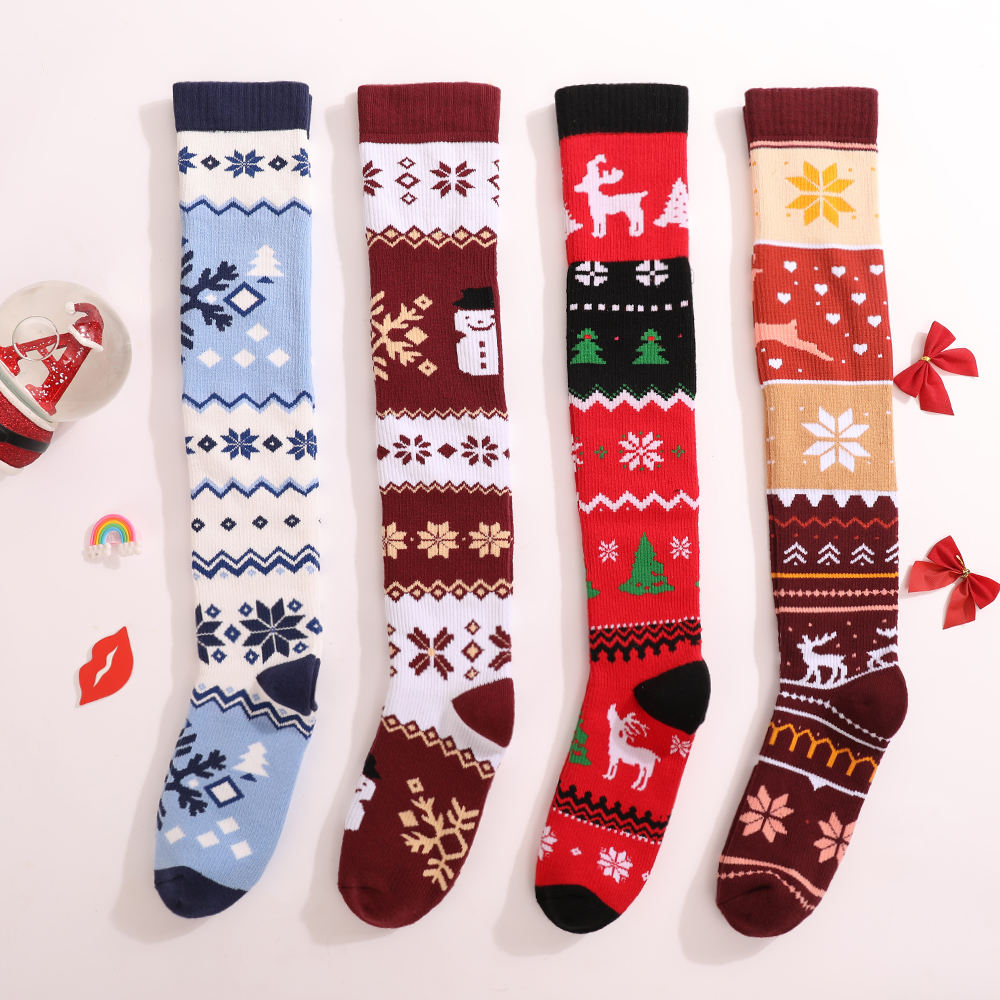
Keeping feet bone-dry all day isn't about wearing the thickest socks or the most rugged boots—it's about managing moisture from the inside out. Your feet sweat even when you're sitting still, and if that moisture has nowhere to go, dampness builds up fast. The real trick starts with choosing socks made from merino wool or tight-weave synthetics that pull sweat away from your skin and let it evaporate. Cotton is a trap; it soaks up moisture and then clings to your feet, leaving you prune-skinned and uncomfortable within hours.
Beyond the sock choice, foot powder is a secret weapon many people overlook. A light dusting of cornstarch-based or medicated powder before you put on your socks creates a microscopic barrier that absorbs excess sweat and reduces friction. Pair this with well-ventilated shoes that allow air to circulate—mesh panels or leather with breathable linings make a surprising difference. If you're stuck in waterproof boots all day, consider swapping to a fresh pair of socks midway through. It takes two minutes and instantly resets the moisture level, keeping your feet fresh and dry even after hours of wear.
It also helps to start each day with completely dry feet. After showering, take a moment to towel off thoroughly between your toes—a spot where hidden dampness often leads to sogginess later. If you're prone to excessive sweating, applying a clinical-strength antiperspirant to the soles of your feet at night can dramatically cut down perspiration the next day. With these small habits combined, you'll find that all-day dryness isn't a lofty goal—it's just a matter of giving moisture no place to hide.
Cushioning That Actually Matches Your Boots
Most cushioning solutions fail because they treat all boots as identical hollow spaces. Your steel-toe work boots, lightweight trail hikers, and heritage leather boots each have unique internal geometries and pressure maps that demand tailored support. When the insole can’t match those curves, you get heel slip, hot spots, and foam that packs out after a few weeks.
The approach here is different: the cushioning is shaped to the specific boot last, not just a shoe size. By scanning the interior volume and mapping flex points, each insert uses targeted foam densities and contoured arches that lock your foot in place. It’s like having a custom orthotic built for your boots, minus the clinic visits.
How Top Socks Prevent Numbness and Blisters
Ever finished a long hike or work shift with that weird tingling sensation in your toes? That numbness often starts with poor circulation, usually from socks that squeeze too tight around the arches or bunch up in the wrong places. Top-notch socks are designed with just the right amount of stretch in the cuffs and a supportive band across the midfoot, so blood keeps flowing freely without constriction. They move with your foot instead of fighting against it, which means nerve pathways stay open and those annoying pins-and-needles moments become a thing of the past.
Blisters are a classic case of friction meeting moisture, and ordinary socks can make things worse by holding sweat against your skin. Quality socks use advanced yarns like merino wool or synthetic blends that actively pull moisture away, keeping the surface dry and slick-free. The real trick is in the zero-bulk toe seams and precisely engineered heel pockets that lock the sock in place, so there’s nothing rubbing against your skin with every step. Less rub, less heat, and way fewer fluid-filled bubbles to deal with.
It’s not just about materials, though—it’s the strategic cushioning that really sets premium socks apart. Extra padding in high-impact zones like the ball of the foot and Achilles absorbs shock that would otherwise jar your nerves and create hot spots. Meanwhile, thin ventilation channels on top let excess heat escape, striking a balance between protection and breathability. The end result is a sock that feels almost invisible, leaving you free to concentrate on the trail or task in front of you instead of the state of your feet.
Warmth That Adapts to Every Run
No two runs feel exactly the same, and your gear shouldn't pretend otherwise. Our adaptive insulation reacts to your pace and the shifting weather, trapping heat when you're easing into the miles and releasing it as you pick up speed. It's like having a personal climate control system woven straight into your jacket.
We designed this with real runners in mind—people who've cursed frozen zippers and wrestled with layers mid-stride. The fabric opens up exactly where you need ventilation, without letting cold drafts sneak in. You stay focused on the road ahead, not on fussing with adjustments.
From misty morning jogs to blustery afternoon tempos, you'll notice the warmth holding steady in conditions that usually leave you shivering or sweating. It's dependable enough to become your go-to layer, season after season.
What Makes a Pair Last More Than One Season
A truly enduring pair first earns its keep through the quiet confidence of flawless construction. You feel it in the way supple leather molds to your foot instead of fighting it, and you see it in the near-invisible stitching that holds everything together without fraying after dozens of wears. It’s a deliberate absence of shortcuts—a sole that stays firmly anchored, a heel cap that never loses its grip—so the pair remains not just wearable but genuinely comfortable long after the newness fades.
Beyond physical toughness, staying power often comes down to a silhouette that refuses to be boxed into a single trend. The most enduring designs have a chameleon-like ease: they anchor a structured coat in winter, then slip just as naturally under a linen dress when the weather turns. They sidestep the loud logos and seasonal gimmicks that date a shoe by Tuesday. Instead, they rely on a kind of understated poise—a strap here, a subtle block heel there—that feels current without being a slave to any one moment.
Finally, the pairs that stick around are the ones that invite simple acts of care. A quick brush of suede, a cedar shoe tree slipped in at day’s end—these tiny rituals breathe extra seasons into materials that a fast-fashion mindset would discard. When a pair gives you a reason to look after it, the relationship deepens. That scuff from a cobblestone street becomes a reminder of a late-night walk, and the patina on the toe tells a story no box-fresh purchase ever could. That’s how a fleeting purchase turns into a quiet favorite, slipping into your rotation season after season without a second thought.
FAQ
They use a merino wool blend that naturally regulates temperature and traps heat without bulk, so your feet stay cozy from first chair to last run.
The moisture-wicking fibers actively pull sweat away from your skin and the socks have strategic ventilation zones, ensuring your feet stay dry even after hours of exertion.
Absolutely. The merino wool is ultra-soft and itch-free, and they're designed with flat toe seams to prevent irritation, making them a great choice for all-day comfort.
Yes, they feature targeted cushioning in the shin, heel, and toe areas for impact protection, while the rest of the sock remains thin enough to fit perfectly in performance ski boots.
Sizing is based on your shoe size, and we recommend going with your regular size since the socks are designed with a compressive fit that prevents bunching and slippage without being tight.
While optimized for skiing, their warmth and moisture control make them excellent for snowboarding, snowshoeing, or even just keeping your feet toasty on cold winter days.
Conclusion
When you're locked into your bindings on a frigid morning, the last thing you want is toes going numb before the first run. The best ski socks earn their reputation by blending merino wool's natural warmth and odor resistance with a fit that doesn't bunch or slip. Unlike cotton, which traps moisture and chills your feet, merino pulls sweat away from the skin, passing it through a dense knit that keeps the foot bone-dry hour after hour. That dryness is the real secret to staying warm, because wet feet lose heat fast. And it's not just about the fabric—strategic cushioning along the shin and underfoot absorbs the pressure points created by stiff alpine boots, reducing fatigue without adding so much bulk that you lose precision. That combination lets you carve hard from the first chair to the last.
Another hallmark of a top-tier sock is how it guards against the annoyances that can cut a day short. Seamless toe closures and structured arch support prevent the friction that leads to blisters, while a gentle compression fit encourages blood flow to keep toes from falling asleep on long lift rides. Adaptability matters too: a single medium-weight pair can insulate on a sub-zero morning yet breathe enough to prevent overheating when the sun softens the snow by noon. Finally, quality construction shows in the details—reinforced heel and toe zones, and fibers that resist pilling and thinning after repeated washes. The right socks won't just last through a season's worth of weekends; they'll perform just as well on the final spring slush run as they did on opening day powder.
Contact Us
Contact Person: Tiga
Email: [email protected]
Tel/WhatsApp: 8613058331729
Website: https://www.china-socksfactory.com/