

Cetearyl Alcohol Ethoxylate: A Key Distributor Guide for Quality Solutions
2026-03-18
In the competitive world of specialty chemicals, finding a reliable distributor for essential ingredients like Cetearyl Alcohol Ethoxylate can be a daunting task. This key component, vital for numerous applications from personal care to industrial formulations, demands quality and consistency. Yet, navigating the market requires more than just a product—it requires a trusted partner. At POLYKEM, we pride ourselves on delivering exactly that. In this guide, we'll explore what sets quality solutions apart, why choosing the right distributor matters, and how we can help you achieve superior results. Dive in to discover insights that could transform your supply chain and product performance. Let’s uncover the essentials together!
What Makes Cetearyl Alcohol Ethoxylate a Top Choice for Formulators
Formulators often seek ingredients that offer both performance and versatility, and cetearyl alcohol ethoxylate fits this need perfectly. As an ethoxylated derivative of a fatty alcohol blend, it serves as a robust emulsifier and surfactant, ensuring stable emulsions in creams, lotions, and other cosmetic products. Its ability to enhance texture while maintaining skin compatibility makes it a go-to component in many formulations, reducing the need for multiple additives and simplifying the creation process.
What sets cetearyl alcohol ethoxylate apart is its adaptability across different product types, from rinse-off to leave-on applications. It doesn't just stabilize mixtures; it also imparts a smooth, non-greasy feel that consumers appreciate, improving the overall sensory experience. This dual functionality helps brands achieve high-quality results without compromising on efficacy, making it a reliable choice for both established and emerging cosmetic lines looking to innovate.
Beyond its technical benefits, this ingredient is valued for its mild nature, which aligns with the growing demand for gentle, skin-friendly formulations. It performs consistently under varying pH levels and temperatures, ensuring product integrity from manufacturing to end-use. For formulators aiming to balance effectiveness with consumer safety, cetearyl alcohol ethoxylate stands out as a smart, efficient option that enhances product appeal and reliability.
Essential Quality Checks for Reliable Cetearyl Alcohol Ethoxylate Suppliers
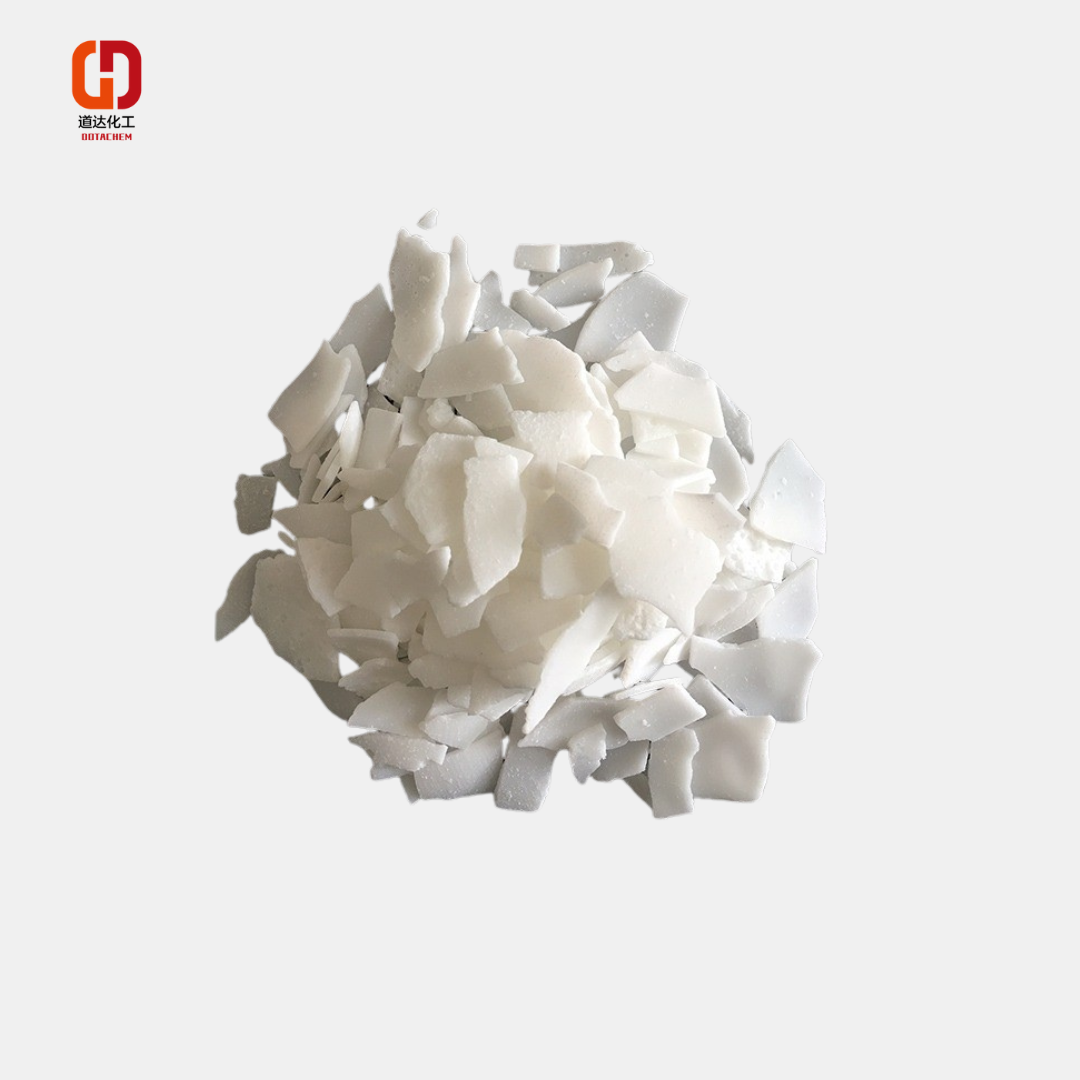
When sourcing cetearyl alcohol ethoxylate, a key ingredient in many personal care and cosmetic formulations, perform rigorous quality checks to ensure supplier reliability. Start by verifying that suppliers provide detailed certificates of analysis (CoA) for each batch, confirming purity levels, ethoxylation degree, and absence of contaminants like heavy metals or residual solvents. Don't just accept generic documentation—request recent test results from independent labs to cross-reference data. This step helps avoid inconsistencies that could compromise product performance or safety in your final applications.
Beyond paperwork, assess the supplier's manufacturing processes and quality control protocols firsthand if possible. Inquire about their raw material sourcing, such as whether they use sustainable palm oil derivatives, and how they monitor ethoxylation reactions to maintain consistent molecular weight distributions. A reliable supplier should be transparent about their production timelines and batch-to-batch variability, offering insights that generic suppliers might overlook. This hands-on approach not only validates quality but also builds a partnership based on trust and shared standards for excellence.
Finally, look for suppliers who offer tailored support, like customized formulations or stability testing under specific conditions relevant to your products. Consider their track record with regulatory compliance, such as adherence to ISO or GMP certifications, and responsiveness to issues like supply chain disruptions. By focusing on these practical checks, you can identify partners who deliver consistent, high-quality cetearyl alcohol ethoxylate, ensuring smoother production runs and enhanced end-product integrity without relying on vague promises or marketing fluff.
Key Applications and Benefits in Cosmetic and Industrial Products
In cosmetics, these ingredients have carved out a significant niche, particularly in formulations where gentle efficacy is paramount. For instance, emollients derived from natural sources not only smooth skin but also deliver barrier-repairing properties, making them staples in moisturizers and anti-aging products. This dual action enhances consumer appeal by offering tangible results without harsh side effects, a key differentiator in today's crowded beauty market.
Moving beyond personal care, industrial applications leverage these materials for their versatility and stability under demanding conditions. In manufacturing, they serve as excellent lubricants or stabilizers, reducing wear on equipment while maintaining product consistency. This translates to cost savings and improved efficiency, advantages that resonate strongly in sectors where performance and reliability are non-negotiable.
Moreover, the cross-industry benefits extend to sustainability, as many of these compounds are biodegradable or sourced renewably. In cosmetics, this aligns with the growing consumer demand for eco-friendly options, while in industrial settings, it supports regulatory compliance and corporate responsibility goals. By bridging aesthetics with practicality, these products underscore a forward-thinking approach that prioritizes both human well-being and environmental stewardship.
How to Source Cetearyl Alcohol Ethoxylate with Consistent Performance
Finding cetearyl alcohol ethoxylate suppliers that deliver reliable performance can be tricky, as consistency in this emulsifier directly impacts your formulations' stability and texture. Start by vetting manufacturers with established quality control systems, such as batch testing and raw material tracking. Look for those who provide detailed certificates of analysis, ensuring each shipment meets your specifications for ethoxylation degree and fatty acid composition. Don't hesitate to request samples upfront to test under your specific conditions, which helps avoid costly reformulations later.
Engaging with suppliers who prioritize transparency in their production processes is another key step. Discuss their sourcing of raw materials like coconut or palm oil, as variations in these can affect the final product's consistency. Opt for partners who offer custom blending options to match your exact needs, whether for creams, lotions, or other personal care items. Building long-term relationships with these suppliers often leads to better communication and more consistent deliveries over time, smoothing out supply chain hiccups.
Keep an eye on market trends and emerging suppliers, but balance innovation with proven reliability. Regularly review supplier performance metrics, such as on-time delivery rates and defect history. Consider dual-sourcing strategies to mitigate risks without sacrificing quality. By taking a proactive and thorough approach, you can secure a steady supply of high-performing cetearyl alcohol ethoxylate that keeps your products stable and effective.
Navigating Regulatory and Safety Standards for Distribution
Ensuring compliance with regulatory and safety standards in distribution is no small feat, especially as these requirements can vary dramatically across different regions and industries. For instance, in the food sector, distributors must adhere to strict guidelines like the FDA's Food Safety Modernization Act (FSMA) in the U.S. or the EU's General Food Law, which mandate everything from temperature controls to traceability systems. Meanwhile, in pharmaceuticals, standards such as GDP (Good Distribution Practice) come into play, requiring rigorous documentation and handling protocols to prevent contamination or counterfeiting. Navigating this patchwork of rules often involves staying updated on legislative changes, investing in specialized training for staff, and implementing robust monitoring tools to catch non-compliance early. By proactively addressing these elements, companies can not only avoid hefty fines and legal issues but also build a reputation for reliability among clients and regulators.
Beyond mere compliance, a strategic approach to regulatory and safety standards can become a competitive advantage. Instead of viewing regulations as burdensome obstacles, forward-thinking distributors leverage them to enhance operational efficiency and customer trust. For example, adopting advanced technologies like IoT sensors and blockchain for real-time tracking can streamline audits and reduce the risk of safety incidents, such as spoilage or improper handling. This proactive stance allows businesses to anticipate shifts in the regulatory landscape—such as emerging environmental standards or data privacy laws—and adapt quickly, turning potential disruptions into opportunities for innovation. Ultimately, mastering this navigation process not only safeguards the supply chain but also positions distributors as leaders in a market where safety and transparency are increasingly valued by consumers and partners alike.
One common pitfall in managing these standards is the tendency to treat them in isolation, rather than integrating them into the overall distribution strategy. To avoid this, companies should foster a culture of continuous improvement that emphasizes regular risk assessments and collaboration with industry groups or regulatory bodies. For instance, participating in forums or workshops can provide insights into best practices and upcoming changes, while internal audits help identify gaps before they escalate into compliance failures. By embedding regulatory awareness into daily operations—from warehouse layout to transportation planning—distributors can create a resilient framework that adapts to evolving demands. This holistic approach ensures that safety and compliance are not just checkboxes on a list but integral parts of delivering value and maintaining a smooth, secure supply chain in an increasingly complex global environment.
Strategies for Building Long-Term Partnerships with Distributors
Forging lasting distributor partnerships starts with a genuine alignment of goals. It's not just about moving products; it's about creating shared value that grows over time. By listening closely to their feedback and understanding local market nuances, you can tailor support that feels personalized rather than generic. This mutual respect transforms transactional interactions into collaborative ventures, paving the way for trust and resilience against market shifts.
Consistent communication is the backbone of any enduring relationship. Instead of sporadic check-ins, establish regular touchpoints—whether through quarterly reviews or informal chats—that keep both sides informed and engaged. These moments allow for proactive problem-solving and co-developing strategies, ensuring your partnership evolves with changing trends rather than stagnating. When distributors feel heard and involved, they're more likely to invest in your brand long-term.
To truly stand out, offer unique incentives that go beyond standard commissions. Think about exclusive training programs, co-branded marketing initiatives, or early access to new product lines. These perks not only boost their business but also foster a sense of exclusivity and loyalty. By continuously innovating how you support and reward partners, you build a dynamic alliance that thrives on mutual success and adapts effortlessly to future challenges.
FAQ
It's widely used as an emulsifier and stabilizer in personal care products like creams and lotions, helping blend oil and water-based ingredients smoothly.
By detailing sourcing strategies, purity standards, and storage guidelines to help distributors maintain consistent product integrity and meet industry regulations.
Yes, the guide highlights options for varying ethoxylation levels and blends, allowing formulators to tailor properties like viscosity and compatibility.
Access to high-quality batches reduces production issues, ensures shelf stability, and supports compliance with safety standards like those for cosmetics.
It covers eco-friendly practices, from selecting renewable raw materials to minimizing waste in packaging and logistics.
Yes, it includes handling precautions, proper labeling for hazard communication, and tips to avoid skin or eye irritation during use.
It focuses on practical troubleshooting—like preventing separation in formulations—and offers real-world case studies for better decision-making.
By using its FAQ section and technical data sheets to provide quick, accurate answers on performance, compatibility, and application tips.
Conclusion
Cetearyl Alcohol Ethoxylate stands out as a premier choice for formulators due to its versatile emulsifying and stabilizing properties, making it indispensable in cosmetic and industrial products. Essential quality checks, such as verifying purity and consistency, ensure reliable suppliers, while understanding key applications—like in lotions and cleaning agents—highlights its benefits for smooth textures and enhanced performance. To source this ingredient with consistent quality, it's crucial to partner with distributors who prioritize rigorous testing and transparent supply chains, ensuring long-term partnerships built on trust and shared goals.
Navigating regulatory and safety standards is vital for distributors to meet compliance and minimize risks, fostering confidence in the market. Strategies for building enduring relationships include clear communication and collaborative problem-solving, which help secure a steady supply of high-quality Cetearyl Alcohol Ethoxylate. By integrating these aspects, distributors can offer quality solutions that elevate product formulations and drive industry success, setting themselves apart in a competitive landscape.
Contact Us
Contact Person: Levi
Email: [email protected]
Tel/WhatsApp: +86 532 84688720
Website: https://www.polykem-intl.com