

China Color Changing Aluminum Cup Sourcing: A Complete Guide for Importers
2026-07-22
Sourcing color-changing aluminum cups from China presents a dynamic opportunity for importers seeking innovative drinkware that captures attention. As demand for customizable, eco-friendly, and visually striking barware rises, understanding the nuances of this niche is crucial. With APEXAL leading the charge in quality manufacturing and cool color-switching technology, this guide cuts through the noise to help you navigate supplier selection, material specs, and design considerations—so you can import with confidence and stand out in a competitive market.
Understanding the Magic Behind Color-Changing Aluminum Cups
It feels like pure sorcery the first time you see it happen. You pour a hot drink into what looks like an ordinary metallic cup, and within seconds, the exterior shifts from one color to another—solid red melting into glossy black, or a dark surface revealing a hidden pattern. This isn't digital trickery or a gimmick; it's a clever material science trick that turns a simple aluminum cup into an interactive experience. The transformation never gets old, sparking curiosity in both kids and adults at coffee shops, parties, or quiet mornings at home.
The secret lies in a special coating bonded to the aluminum surface. Tiny microcapsules filled with thermochromic leuco dyes are mixed into the paint. At room temperature, these dyes maintain one color by reflecting light in a specific way. But when heated, the molecular structure shifts: the dye becomes temporarily transparent, revealing a second color layer underneath or triggering a chemical reaction that produces a new hue. Aluminum’s excellent heat conductivity ensures the warmth from the liquid spreads rapidly and evenly, so the color change happens uniformly across the entire cup, not just near the top.
Designers love playing with this technology because it adds a layer of surprise to an everyday object. The color shift can be calibrated to occur at different temperatures, allowing for effects like a cup that turns from black to white when filled with coffee, or one that displays a bold logo only when chilled for iced beverages. It’s not just about aesthetics either—the coating acts as a playful temperature indicator, letting you know at a glance if your drink is too hot to handle. Behind every color-changing aluminum cup is a blend of chemistry and creativity, turning a simple sip into a small moment of wonder.
Navigating China’s Manufacturing Hubs for Specialty Drinkware
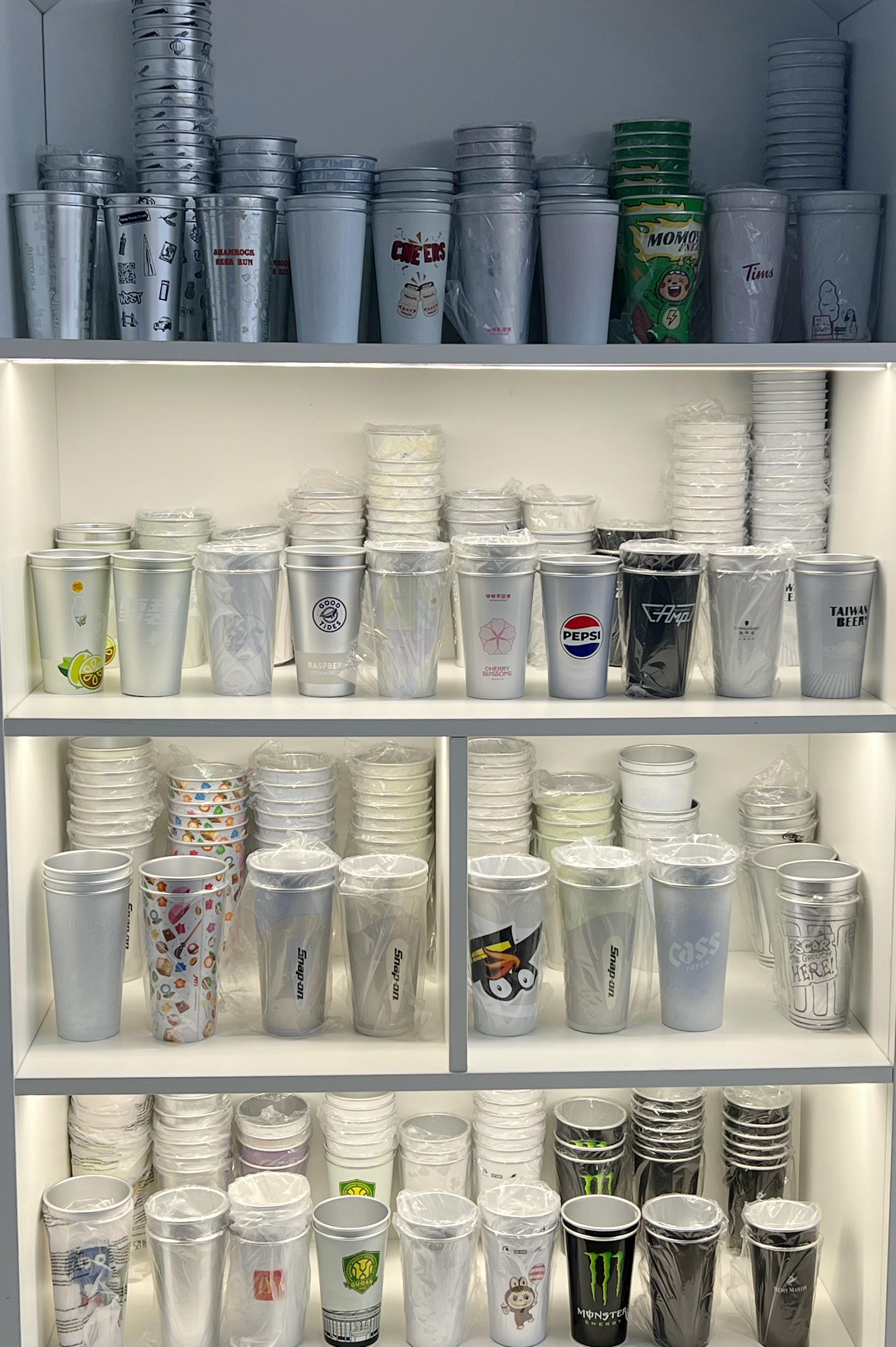
China’s manufacturing landscape is vast, but for specialty drinkware, the action is concentrated in a few key hubs. Zhejiang province, particularly around Hangzhou and Yongkang, has long been the heartbeat of stainless steel and vacuum-insulated production. You’ll find factories here that have refined double-wall technology over decades, churning out everything from sleek travel mugs to intricately shaped water bottles. The supply chain is deeply integrated—raw materials, precision tooling, and custom packaging are often sourced within a 50-mile radius, which speeds up turnaround and reduces logistical headaches.
For glass and ceramic drinkware, turn your attention to the Chaoshan region in Guangdong. The craftsmanship here leans more artistic, with small-to-midsize workshops running semi-automated lines that allow for unique glazes and hand-finished details. Don’t overlook the northern clusters either—Shandong’s Linyi area has quietly become a competitive source for borosilicate glass, favored by brands that need heat-resistant pitchers and tea infusers. Each hub has its own tempo and specialty, and understanding this rhythm helps you align with a partner who truly gets your product’s DNA.
Tapping into these ecosystems means more than just sourcing a product; it’s about reading the local culture of innovation. Visit trade fairs like the Canton Fair or dedicated exhibitions in Yiwu to see material trends before they hit mass market. Talk to factory owners directly—many are open to joint development if you bring a clear vision. The real advantage comes from building relationships that turn a transactional order into a collaborative growth engine, where your drinkware evolves alongside their technical capabilities.
Decoding Material Quality and Coating Durability
What lies beneath a flawless finish is often the true test of longevity. The bond between the underlying material and its protective coating hinges on more than just surface preparation—it’s a delicate interplay of porosity, thermal expansion, and chemical compatibility. A dense, well-cured substrate can shrug off years of abrasion, while hidden inconsistencies quietly undermine even the most advanced topcoats. Recognizing these silent factors shifts the focus from mere appearance to enduring performance.
Scratch resistance and weather fastness often steal the spotlight, but the genuine determinants of durability are less obvious. Microscopic adhesion failures, triggered by trapped solvents or incorrect curing cycles, can propagate beneath the surface long before visible blistering appears. Similarly, the corrosion narrative isn’t always written by the coating itself—it’s frequently the substrate’s alloy purity or heat-treatment history that dictates how tenaciously a film holds on. Understanding these buried variables turns coatings from a cosmetic layer into a structural safeguard.
Practical longevity isn’t found in lab reports alone; it emerges at the intersection of application technique and real-world stress. Varied climates, mechanical flexing, and UV degradation don’t follow a fixed script, making predictive assessment a blend of accelerated testing and field intuition. By decoding these layered influences—from raw material selection to final cure—engineers and specifiers gain the insight needed to anticipate, not just react to, premature breakdowns.
Customization Pitfalls Importers Often Overlook
When chasing that perfect tailored product, it's easy to get tunnel vision on surface-level aesthetics and forget the less glamorous details—like local safety regulations, voltage requirements, or material restrictions that vary drastically from country to country. A beautifully customized piece of electronics might be exactly what the client asked for, yet fail to pass customs because the power plug or labeling doesn't meet the destination market's standards. These compliance gaps aren't just minor hiccups; they can lead to shipments being impounded, hefty fines, and a tarnished reputation before the product even reaches the shelf.
Another blind spot comes from assuming that what works in one culture will seamlessly translate to another. Importers often push for modifications based on home-market logic—an ergonomic grip that feels right to them, a color scheme with certain symbolism—without verifying how the end user in a completely different cultural context will perceive it. Something as simple as the placement of controls or the meaning of a graphic can backfire, turning a well-intentioned customization into a user experience nightmare. It's not enough to just adapt the product; you need to understand the unspoken expectations and habits that drive purchasing decisions on the ground.
Perhaps the most costly oversight is treating customization as a one-off instruction rather than an ongoing conversation. Sketches and spec sheets sent over email can only go so far, especially when the factory interprets them through their own lens of what's easiest to produce. Without regular check-ins, prototype reviews, and a shared visual language, the final output often drifts from the original vision. The result is a batch of goods that looks about 80% right—close enough to avoid outright rejection, but different enough to disappoint customers and erode brand trust over time.
Shipping and Logistics: Avoiding Costly Surprises
When importing goods, the thrill of a great deal can quickly fade once unexpected shipping and logistics costs pile up. It's not just about the freight charge on the quote — duties, customs brokerage fees, warehousing, and last-mile delivery can turn a bargain into a budget nightmare. Without a clear breakdown of all potential charges, you might find your landed cost far exceeds what you planned.
To keep your supply chain predictable, always request a comprehensive incoterms-based quote. Terms like FOB or EXW may look cheaper at first glance, but they pass multiple handling and transport risks onto you. Instead, consider DAP or DDP if you want the seller to shoulder more of the journey. Also, factor in seasonal surcharges, fuel adjustments, and insurance — these often get buried in the final invoice if not agreed upon upfront.
Another common pitfall is ignoring the nuances of customs clearance. Even a minor paperwork error can lead to demurrage charges while your container sits at the port. Work with an experienced freight forwarder who knows the destination country's regulations well, and always double-check harmonization codes. A little extra diligence before your shipment leaves can save you thousands and keep your business running smoothly.
Building Lasting Supplier Relationships for Repeat Orders
Strong supplier relationships don’t form overnight—they grow from consistent, honest communication and a willingness to see beyond the immediate transaction. When both sides treat each other as long-term partners rather than one-time vendors, orders become smoother, problem-solving faster, and trust becomes the default currency. It’s about investing time in understanding their challenges, celebrating their wins, and showing that your commitment stretches past a single purchase order.
A simple check-in between orders, a prompt payment, or sharing a forecast of upcoming demand can turn a transactional link into a resilient bond. These small gestures signal reliability and respect, making suppliers more willing to prioritize you when capacity tightens or when they’ve got a new product that fits your market. Over time, they stop viewing you as just another buyer and start seeing you as a dependable extension of their own business growth.
True partnership also means having the tough conversations early—about price changes, quality hiccups, or delivery delays. Avoiding those talks might feel easier in the moment, but candor builds a foundation that can bear the weight of bigger challenges. When you navigate difficulties together with fairness and a problem-solving mindset, you cement a connection that drives repeat orders not from obligation, but from mutual loyalty and shared success.
FAQ
These cups shift colors with temperature, creating a fun, interactive experience that appeals to consumers across promotional events, parties, and retail. The visual gimmick drives impulse buys and social media sharing, giving importers a unique offering in a crowded drinkware market.
Ask suppliers for video demonstrations of the color transition at different temperatures, and request samples to test yourself with hot and cold liquids. Check the coating's adhesion by scratching lightly and doing a few dishwasher cycles to see if the effect fades or peels.
One pitfall is inconsistent color shift speed or patchy finishes. Avoid this by specifying a consistent activation temperature range in your contract and requiring a pre-production sample. Another issue is delayed lead times during peak seasons—build in buffer weeks and use a third-party inspection service to confirm readiness before shipment.
Yes, most factories offer custom printing. Silk screen printing is popular for simple logos, while full-wrap sublimation works for complex designs. Just ensure the ink doesn't interfere with the thermochromic layer—ask the supplier to test a printed sample and confirm durability under repeated temperature changes.
Look for FDA or LFGB food-grade certifications for the inner coating and the color changing outer layer. Also request heavy metal and BPA test reports. For the EU, check REACH compliance; for the US, ensure the overall product meets FDA requirements for food contact materials.
Instead of just selling the generic color change effect, package them as part of a storytelling concept—like 'mood mugs' that reveal hidden messages when cold, or seasonal sets that change with holiday themes. Combine them with a matching accessory like a color-changing straw or lid, and offer creative retail packaging that's gift-ready.
Conclusion
Sourcing color-changing aluminum cups from China is as much an art as a science, starting with a clear grasp of the thermochromic technology that makes these products shift hues when filled with cold liquids. The effect relies on temperature-sensitive pigments embedded in a durable coating, but the real magic lies in consistent activation across batches—something that separates diligent manufacturers from opportunistic traders. When navigating hubs like Zhejiang's Yongkang or Guangdong's Jieyang, importers should look beyond flashy samples and probe into the chemical stability of the color-shift layer, the base aluminum gauge, and how the inner lining holds up against acidic beverages. Too often, buyers focus solely on the visual novelty, only to discover fading, peeling, or uneven color change after a few dozen washes.
The deeper pitfalls, however, emerge during customization and logistics. A seemingly minor tweak to a cup's shape or a rushed artwork approval can lead to mismatched pantones, blurred prints, or a color-change response that lags in certain areas. Pair this with overlooked Incoterms or clumsy freight consolidation, and a shipment that looked profitable on paper suddenly hemorrhages margins through demurrage charges or carton damage. The importers who truly thrive treat their supplier like a partner rather than a transaction: they share forecast data, respect production cycles, and co-invest in quality checks that go beyond AQL sampling. Over time, this nurtures a relationship where the factory proactively suggests better pigment blends, faster curing methods, or packaging tweaks that cut costs—turning an off-the-shelf novelty into a reliable, repeat-order product that keeps end users reaching for their cup, again and again.
Contact Us
Contact Person: Milo
Email: [email protected]
Tel/WhatsApp: +86 18621923991
Website: https://www.dgbaide.com