

Choosing the Right Distillation Equipment Manufacturer for Your Lab
2026-05-07
Setting up a lab with reliable distillation equipment is no small task, and the manufacturer you choose can make or break your research workflow. From purity demands to throughput needs, every detail matters. While many suppliers promise quality, few combine precision engineering with the consultative approach required for long-term success. That’s where DYE stands out—not just as a vendor, but as a partner ready to tailor solutions to your lab’s unique challenges. In this post, we’ll explore the key factors to consider when selecting a distillation equipment manufacturer, ensuring your next investment delivers consistent results and scales with your ambitions.
Key Factors to Evaluate Before Partnering with a Lab Distillation Equipment Maker
When considering a lab distillation equipment supplier, start by examining their track record in your specific field. A manufacturer that has consistently delivered reliable systems for pharmaceutical purification, petrochemical analysis, or solvent recovery brings more than just hardware—they offer process insights that can shorten your learning curve. Request detailed case studies or client references that mirror your operational scale and complexity, and pay close attention to how they handled unexpected challenges, such as adapting to atypical feedstocks or meeting stringent purity requirements under tight deadlines.
Technical support and after-sales service often determine the long-term viability of a partnership. Ask pointed questions about their service infrastructure: Do they have application specialists who can guide your team during installation and method development? What is the typical response time for on-site repairs, and are spare parts stocked locally or shipped from overseas? Real-world experimentation rarely goes exactly as planned, so a partner that offers flexible troubleshooting—such as remote diagnostics or custom glassware modifications—can prevent weeks of downtime that would otherwise stall critical research projects.
Finally, probe the maker's capacity for innovation and customization. Off-the-shelf units might work for standard distillations, but your work may require unusual temperature ranges, corrosion-resistant materials, or integration with existing data systems. Evaluate whether the company encourages collaborative design input or treats every inquiry as a one-size-fits-all transaction. A genuine partner will discuss material compatibility, automation options, and safety features without pushing unnecessary upgrades. This transparency builds trust and ensures that the system you invest in today won’t become a constraint tomorrow as your lab's needs evolve.
Why Material Quality and Construction Matter More Than You Think
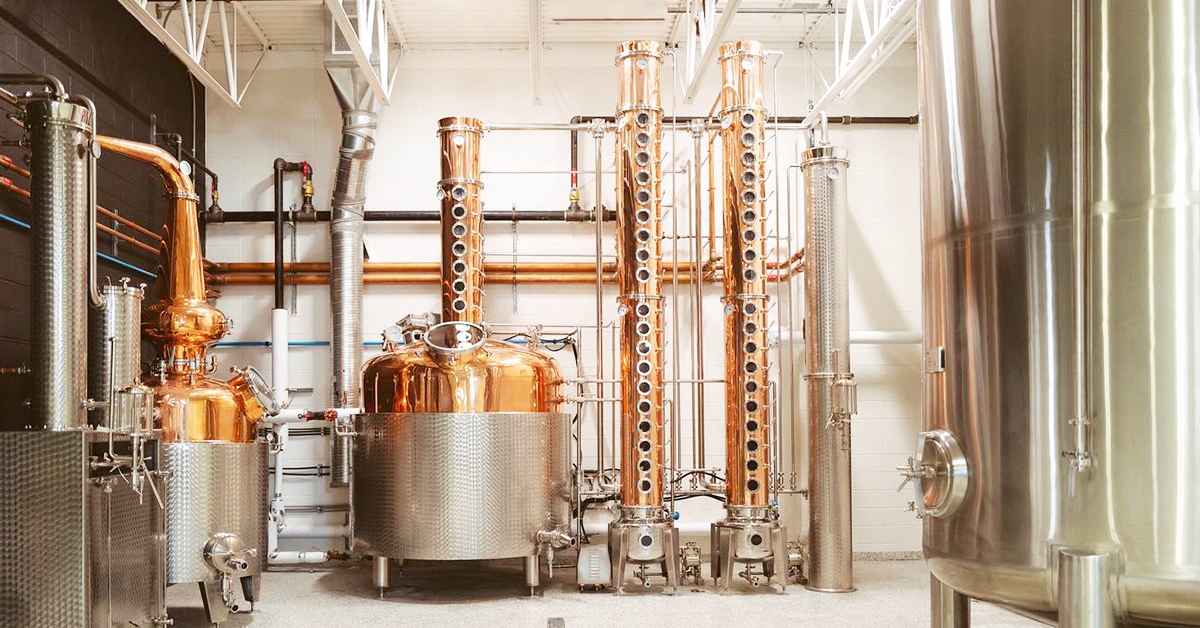
When you hold a product that feels substantial yet effortless in your grip, that sensation comes from deliberate choices in raw inputs and assembly techniques. It's not just about durability, though that's part of it—the right canvas weight, the precise stitch density, even the way a handle is attached all communicate a level of care that immediately registers as quality. You might not consciously notice these details, but your hands do, and that tactile feedback shapes your entire perception of whether something is worth keeping around.
We often overlook how much poor construction undercuts functionality. A bag that sags because its lining was skimped on, a chair leg that wobbles due to a rushed joint—these aren't just aesthetic flaws; they actively work against you. Good construction, on the other hand, works with you. It’s the difference between a zipper that catches every third try and one that glides without thought, or seams that hold firm when a pocket is overstuffed. When materials and assembly are prioritized, the result is an object that fades into the background of your life, performing without demanding constant attention or repair.
There’s also a quiet sustainability argument here that has little to do with marketing claims. Products made from thoughtfully chosen materials and sound techniques simply last longer, meaning fewer replacements and less waste over time. A well-constructed item ages gracefully—leather develops a patina, solid wood reveals a deeper grain, heavy-gauge metal takes on a luster rather than corroding. This kind of longevity changes our relationship with things, encouraging us to hold on and care for them instead of discarding at the first sign of wear. In a world flooded with disposable design, the radical act might just be choosing something built to endure.
How to Match Distillation System Capabilities to Your Research Needs
Finding the right distillation setup starts with a clear view of your experimental goals. Begin by outlining the purity targets, throughput volumes, and thermal sensitivity of the materials you work with. If your research involves heat-sensitive compounds, a system with precise temperature control and vacuum capability becomes non-negotiable. On the other hand, simpler separations might only require basic fractional distillation. The key is to avoid overcomplicating the purchase—pin down the essential specs that directly support your daily workflows, and let those guide your choices rather than flashy, unused features.
Beyond basic specs, material compatibility often gets overlooked. Glassware and seals that handle aggressive solvents or acids can save weeks of troubleshooting. Think about the actual physical space in your lab and the level of automation you genuinely need. Automated fraction collectors and data logging are great for high-throughput settings, but they add complexity and cost. If you’re constantly switching between small-scale test runs and slightly larger batches, look for systems with modular components that can be reconfigured without a full teardown.
Finally, involve your team and consider growth. What seems adequate today might bottleneck a project two years from now. Talking through real-world scenarios with a manufacturer’s technical staff can reveal practical limitations that spec sheets hide. Ask for a demo run with a sample that closely matches your typical mixture. The goal isn’t just to buy a distillation system—it’s to integrate a reliable tool that adapts as your research evolves, without requiring constant recalibration or workarounds.
Assessing After-Sales Support and Service: A Critical Step
Evaluating the quality of after-sales support often reveals more about a company than any pre-purchase promise. It’s not just about whether a problem gets fixed, but how it’s handled—the clarity of communication, the speed of response, and the genuine willingness to take ownership of an issue. When a product fails or a question arises, customers quickly learn whether a business views them as a transaction or a long-term relationship. This phase of the customer journey is where loyalty is either cemented or quietly eroded, making it a pivotal moment that deserves far more scrutiny than it usually receives.
A thorough assessment goes beyond superficial metrics like hold times or canned email replies. It demands paying attention to the subtle cues: Does the support agent adapt to the customer’s level of technical understanding? Is there a seamless handoff between departments, or does the customer have to repeat themselves endlessly? Even the tone of follow-up messages can signal whether a company is simply ticking a box or actually invested in resolving the concern. These details, though easy to overlook, paint a clear picture of how robust—or fragile—the entire service infrastructure truly is.
Ultimately, scrutinizing after-sales support isn’t just about identifying weaknesses; it’s about uncovering opportunities for differentiation that competitors rarely capitalize on. In fields where products are increasingly commoditized, the service experience becomes the real battleground. A company that actively learns from each interaction, refines its processes, and treats every support touchpoint as a chance to reinforce its values will not only solve immediate issues but also build a reputation that attracts customers who are tired of being let down. That kind of reputation isn’t built through marketing campaigns—it’s earned one genuine resolution at a time.
Navigating Customization Options for Specialized Applications
Finding the right fit for a specialized application often starts with a careful assessment of what the standard options miss. It's not just about ticking boxes; it's about understanding how the tool will actually perform under your unique constraints. Whether it's a medical device needing strict compliance or a logistics platform handling unpredictable data flows, the customization journey demands clarity on non-negotiables versus nice-to-haves.
One common pitfall is piling on features without considering the long-term cost. Every tweak to the codebase or configuration creates a divergence from the main product, making updates and support more complex. Smart teams look for platforms that offer granular configuration rather than demanding full-scale development—something that lets them adjust behavior through settings, APIs, or plugins without forking the core. This balance keeps the system adaptable as needs evolve.
Real-world validation trumps theoretical requirements every time. Before locking in a custom build, prototype the most critical flow and let the actual users interact with it. Their feedback often uncovers hidden edge cases and reshapes priorities. Iterative refinement, paired with a clear understanding of the underlying architecture, prevents the customization from becoming a fragile one-off that only a few people know how to maintain.
Hidden Costs and Lead Times: What to Watch Out For
When pricing a project, it’s easy to get tunnel vision on the unit cost alone. But the real expense often hides in places you wouldn’t expect—freight surcharges, customs brokerage, port storage fees, or even the cost of reworking a poorly documented shipment. Small details matter: a supplier’s “standard” packaging might not survive an ocean crossing, forcing you into upgraded crating at the last minute. And if your product requires testing or certification, lab fees and compliance paperwork can quietly add weeks and thousands of dollars. Always ask for an all-in landed cost breakdown, and include line items for anything that could fall through the cracks—like wire transfer fees, inland trucking, or palletizing.
Lead times are just as slippery. A factory’s promise of “four weeks” often means four weeks until the goods are ready, not four weeks until they leave the door. That’s before you factor queuing for a vessel, transit time, and the unpredictable dance of customs clearance. Seasonal volume spikes, holiday shutdowns, or raw material shortages can stretch that timeline without warning. The remedy is to build in a cushion and maintain direct communication with your forwarder, not just the supplier. Ask for a production schedule in writing and confirm the ex-works date—not the estimated shipping date—as your anchor. The most avoidable delays happen when no one tracks whether the order is actually on the water or still sitting on a factory floor.
One often-overlooked trap is incidental warehousing. If a shipment arrives before your retail space is ready, you’ll face detention and demurrage fees that accrue daily. Couple that with the cost of capital tied up in inventory that can’t be sold, and your margins start bleeding in slow motion. A clear-eyed approach means coordinating delivery windows with your real-world capacity, not the best-case scenario. Map out the entire timeline from purchase order to—realistically—the moment goods are on your shelf. That way the hidden costs and lead-time slippage become visible levers you can plan around, rather than surprises that eat into your bottom line.
FAQ
Look at their track record with similar lab setups. Material quality, precision in temperature control, and the ability to customize systems to your specific throughput and solvent requirements often outweigh flashy marketing claims. A manufacturer that offers clear documentation and responsive technical support is always a safer bet than one that just lists impressive specs.
They’ll ask detailed questions about your workflows, not just push standard units. Lab-focused makers emphasize reproducibility, minimal hold-up volume, and easy disassembly for cleaning. If they talk more about modular designs, precise reflux ratios, and adaptable vacuum setups rather than bulk throughput, they’re likely the right fit.
Not necessarily for the name alone, but established brands often have proven safety records, long-term parts availability, and extensive application knowledge. However, smaller niche manufacturers can offer outstanding custom solutions. The premium is only justified if it buys you better post-installation support and reliable performance under your actual lab conditions.
Avoid those who push one-size-fits-all solutions without analyzing your separation needs. Vague answers about materials of construction, lack of reference labs you can contact, or overly short warranty periods can hint at future problems. If they can’t explain how their system handles azeotropes or foaming samples, keep looking.
It’s critical. Even the best system can develop quirks over time. A manufacturer that offers remote troubleshooting, quick access to specialized parts, and a capable service team will save you weeks of downtime. Ask about their typical response times and whether they provide training for your team during installation.
Absolutely. Smaller makers often provide more personalized engineering, faster turnaround on custom parts, and a direct line to the people who actually design and build the units. For specialized applications, their flexibility can beat the rigid catalog offerings of big suppliers, as long as their quality standards and testing protocols are verifiable.
Conclusion
Selecting a distillation equipment manufacturer for your lab goes far beyond comparing catalog specs. Start by examining the maker's track record and how they address the specific demands of scientific work—this means verifying material certifications, weld quality, and the durability of components under repeated use. The construction details, from the grade of stainless steel to the integrity of seals, directly impact purity and reproducibility, making it foolish to compromise here in the name of cost. Equally important is aligning the system’s capabilities with your actual research workflows: throughput, automation, and compatibility with aggressive solvents or high-vacuum requirements should all be part of a candid discussion long before purchase.
After-sales support can make or break your long-term satisfaction; a responsive service team and readily available spare parts are non-negotiable. For specialized applications, don’t settle for off-the-shelf solutions—explore customization possibilities early, whether it’s modifying glassware configurations or integrating data logging. Be mindful of hidden costs like installation fees, training, and consumables, and never accept vague lead time promises. A manufacturer who is transparent about these factors and willing to commit to realistic timelines is worth their weight in gold, ensuring your lab remains productive without unpleasant surprises.
Contact Us
Contact Person: Ada Xu
Email: [email protected]
Tel/WhatsApp: 0577-86806088
Website: https://www.dayuwz.com/