

Cold Laser Therapy: Your Guide to High-Quality, Effective Devices
2026-05-13
Wondering if cold laser therapy is worth the hype—or how to spot a device that actually delivers? With so many gadgets flooding the market, separating the real deal from the duds can feel like a guessing game. That's where we come in. This guide walks you through the must-knows, from how the technology works to the features that separate high-quality tools from the rest. Along the way, keep an eye out for GUANG TAI, a brand that's quietly redefining reliability and performance in the cold laser space. Intrigued? Let's get into the details.
What Makes a Cold Laser Device Stand Out?
The real difference often lies in wavelength precision and beam consistency—cheaper units shift frequency under load, while top-tier modules hold steady even during extended sessions. You notice this in treatment depth: a stable 808nm beam reaches deeper tissue without scattering, unlike budget diodes that fade halfway through.
Build quality separates the forgettable from the remarkable. Solid-state components, sealed optics, and instant-on circuitry aren't just specs—they mean silent operation and zero warmup time, session after session. A device that feels weighty yet balanced in hand, with a trigger that responds the same on hour three as it did on minute one, earns trust in a clinical setting.
Practical features get overlooked until you're on your fifteenth patient of the day. Swappable batteries that recharge independently, a display that remains readable at an angle, and safety interlocks that don't slow you down—these turn a tedious protocol into a smooth workflow. When the device adapts to your rhythm instead of disrupting it, the results speak for themselves.
Decoding Wavelengths and Power Output
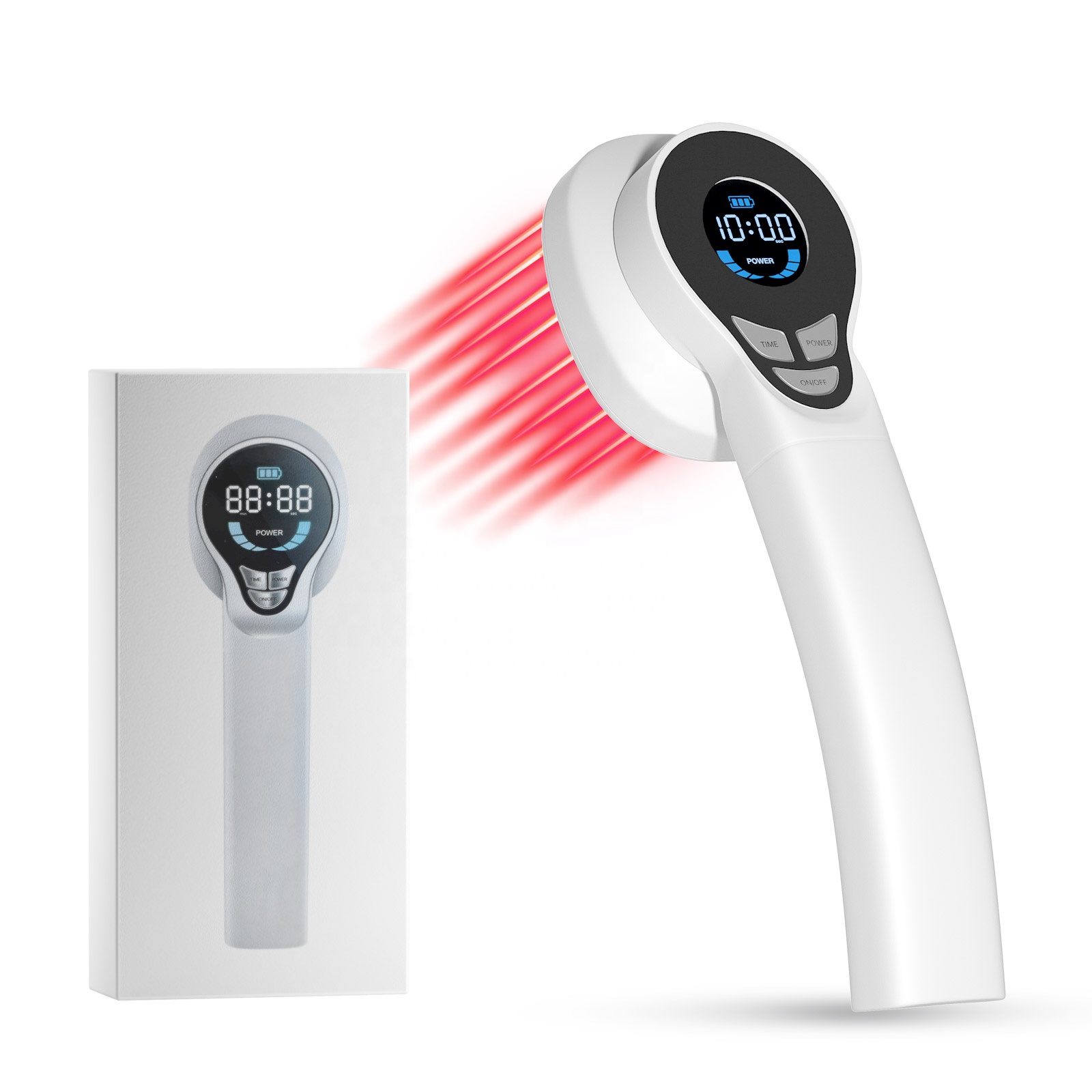
The term wavelength in light therapy isn’t just a number on a spec sheet—it dictates how deeply photons travel into tissue and which biological processes they kickstart. Shorter waves in the blue spectrum stay near the skin’s surface, making them useful for calming surface-level inflammation, while red and near-infrared rays slip past the outer layers to reach muscles and joints. Every nanometer shift alters absorption, so matching wavelength to a specific concern is less about guesswork and more about knowing exactly where the light needs to land.
Power output, often measured in milliwatts, directly shapes how much energy actually gets delivered in a session. A device with weak output might feel warm but leave deeper cells largely untouched, while cranking up intensity without a clear rationale can overwhelm tissue before it has a chance to repair. The sweet spot lies in balancing dose with time—brighter isn’t automatically better, but too dim may never trigger the cellular response you’re after.
Where these two parameters intersect is where real customization happens. Think of wavelength as the type of key and power output as how hard you turn it—both must fit the lock you’re working on. Fine-tuning that combination lets you steer effects toward collagen production, pain relief, or circulatory boost without a one-size-fits-all approach. It’s a quiet dialogue between physics and biology, and reading it right makes the difference between a gadget that glows and one that genuinely works.
Safety Features That Actually Matter
Lane keep assist that gently nudges instead of jerking the wheel—because nothing says safety like a system that doesn’t startle you mid-corner. Combine that with adaptive cruise control that reads traffic flow, not just the car ahead, and you’ve got a co-pilot that actually makes long drives less exhausting.
Automatic emergency braking should see more than just other vehicles. The systems worth having spot cyclists cutting through dusk and pedestrians stepping off curbs without hesitation. Add in cross-traffic alert that accounts for fast-moving e-bikes, and parking lots suddenly feel less like a game of chance.
A head-up display that projects navigation cues right onto the windshield means your eyes stay where they belong. And blind-spot monitoring with a wide enough view to catch those sneaky two-wheelers? That’s the kind of everyday protection that prevents the near-misses you never even knew were there.
Portability vs. Clinical-Grade Build
When choosing between a portable device and one built for clinical rigor, the trade-offs go beyond mere weight and dimensions. Portability often demands compromises in durability, precision, and long-term reliability, which are non-negotiable in a clinical setting. Think of it like comparing a rugged field notebook to a laboratory-grade instrument: both serve their purpose, but the latter is engineered to withstand repeated use, strict calibration standards, and the occasional accidental knock without missing a beat.
Clinical-grade build isn't just about a heavier chassis; it's a philosophy of materials, internal shielding, and thermal management that ensures consistent performance across shifts. Portable devices, while convenient, may cut corners on cooling or component quality to save space, leading to drift in measurements or premature failure. In contrast, clinical equipment earns its heft through redundant safety features and fanless designs that eliminate particle dispersion—a critical factor in sterile environments.
Yet the debate isn't one-sided. Modern engineering is blurring the line, with materials like carbon-fiber composites and advanced thermal design allowing for devices that are both robust and reasonably portable. The key is to assess the primary use case: if the device needs to traverse multiple rooms or outdoor clinics daily, a lightweight build might outweigh the benefits of an indestructible shell. Ultimately, the sweet spot lies in matching the build to the demands of the workflow, not over-engineering for hypothetical scenarios.
Real User Insights on Pain Relief
It’s rare to stumble across a pain product that actually does what the label promises. I tried a warming balm after my physio recommended it, not expecting much beyond a menthol tingle. What I got was a gradual, deep-seated relief that let me sleep through the night for the first time in weeks. The scent wasn’t overpowering either—just a faint herbal note instead of that medicinal reek.
Another thing that caught me off guard was how quickly it kicked in on stiff mornings. I used to hobble out of bed and wait ages for my joints to loosen up. Now I massage a small dab into my knees while my coffee brews, and by the time I sit down the ache has dialed down. It’s not a miracle, but it’s consistent, and that consistency matters more to me than flashy claims.
Talking to others who deal with chronic pain, the biggest takeaway was that relief doesn’t always mean zero discomfort. It means reclaiming small moments—gardening, playing with grandkids, walking the dog without wincing. Real insights come from that shift, not from a chart or a study. People keep using what makes those moments possible, and that’s the kind of feedback that can’t be faked.
Maintenance Tips for Long-Lasting Performance
A squeak here or a slight wobble there might seem minor, but these early signs often point to bigger problems down the road. By addressing them promptly, you save yourself from expensive repairs later. Keep an eye on wear and tear, and don’t put off routine inspections.
Regular cleaning isn’t just about looks—dust and debris can work their way into moving parts and accelerate wear. After each use, a quick wipe-down goes a long way. When storing equipment, choose a dry, cool spot away from direct sunlight; moisture and heat are silent destroyers.
FAQ
Cold laser therapy, often called low-level laser therapy, uses specific wavelengths of light to stimulate tissue repair and reduce inflammation. Unlike surgical or cosmetic lasers that heat tissue, cold lasers emit low-intensity light that doesn't burn or cut—it works at a cellular level to boost energy production and speed healing. It's a non-invasive option that feels like a gentle, warm sensation at most.
Look for devices cleared by regulatory bodies like the FDA, with well-defined output parameters such as wavelength (typically 600–1000 nm), power density, and energy dose. A quality device provides consistent irradiation, has built-in safety features, and often includes treatment protocols based on clinical evidence. Avoid no-name brands that don't disclose technical specs or rely on vague marketing language.
It's widely used for soft tissue injuries, chronic joint pain, tendonitis, and neuropathy. Many clinicians also apply it for wound healing, reducing inflammation in arthritic joints, and managing muscle spasms. Results vary, but conditions involving inflammation or slow-to-heal tissues tend to show the most noticeable improvement.
Professional-grade devices use higher power and can deliver deeper penetration in less time, so they're often more effective for stubborn conditions. At-home models are lower-powered but can still be useful for maintenance, surface-level issues, or daily management. The key is using the device consistently and exactly as directed—skipping sessions or misplacing the applicator significantly reduces benefits.
The area to be treated is exposed, and the device is either placed directly on the skin or held slightly above. You'll likely feel a mild warmth, if anything. Sessions last anywhere from a few minutes to half an hour depending on the area and condition. There's no downtime, so you can go about your day immediately afterward.
When used correctly, cold laser therapy is very safe. The main risks stem from misuse—like pointing the beam into the eyes, treating over malignancies, or using it on pregnant patients in certain areas. Some people might see slightly reddened skin temporarily. Always follow the manufacturer's guidelines and consult a healthcare provider if you're unsure.
Improvement is often gradual. You might notice reduced pain or swelling after a few sessions, but it can take weeks of regular use for lasting change. Keep a simple log of your symptoms, and look for trends rather than daily fluctuations. If you see no change after the recommended treatment period, the device may not be right for your specific condition.
Price differences come down to build quality, power output, number of lasers or LEDs, and whether the device is intended for professional or home use. Clinical units with precise calibration, multiple wavelengths, and robust treatment protocols cost more because they're designed for heavy use and consistent results. Cheaper gadgets often skimp on power and durability, so they may not deliver the same therapeutic dose.
Conclusion
Selecting a high-quality cold laser therapy device isn’t just about picking the strongest laser on the market. It’s about understanding how factors like wavelength, power output, and safety features work together to deliver real pain relief. Devices that stand out typically combine optimal therapeutic wavelengths—often in the red to near-infrared range—with sufficient power density to penetrate tissues without causing heat damage. While this sounds technical, the key is consistent, controlled delivery of light energy that triggers cellular repair. Safety mechanisms like automatic shut-off, skin contact sensors, and eye protection are non-negotiable; they’re what separate responsible design from risky gadgets. These details define whether a device is truly therapeutic or just a weak flashlight.
When comparing options, the choice between portable, handheld units and larger clinical-grade builds comes down to your needs. Portable devices offer convenience for daily home use, but clinical models often provide higher power and larger treatment areas, which can accelerate results. Real-world feedback from users consistently highlights that consistent use, not just raw power, leads to meaningful pain reduction—many note improvements within weeks for chronic joint or muscle issues. To keep any device performing well, simple maintenance like cleaning the laser apertures, storing in a dry environment, and periodically checking battery contacts makes a noticeable difference in longevity. Ultimately, the right cold laser device is one that balances credible engineering with practical usability.
Contact Us
Contact Person: Leon Yi
Email: [email protected]
Tel/WhatsApp: +86 17363316873
Website: https://zzgt.en.alibaba.com/