
Flexible Stone Manufacturer Guide: Transform Spaces with Lightweight Stone Veneer
2026-07-31
Imagine transforming a dull wall into a stunning stone feature in hours, not days. Flexible stone veneer makes this possible, and Magic Stone is leading the charge. But how do you choose the right manufacturer when every supplier promises the same perks? This guide cuts through the noise, revealing what truly sets quality lightweight stone apart—from authentic textures to hassle-free installation. Whether you’re a designer chasing that wow factor or a contractor tired of heavy, brittle materials, you’ll discover practical insights to elevate your next project effortlessly.
So, What Exactly Is Flexible Stone?
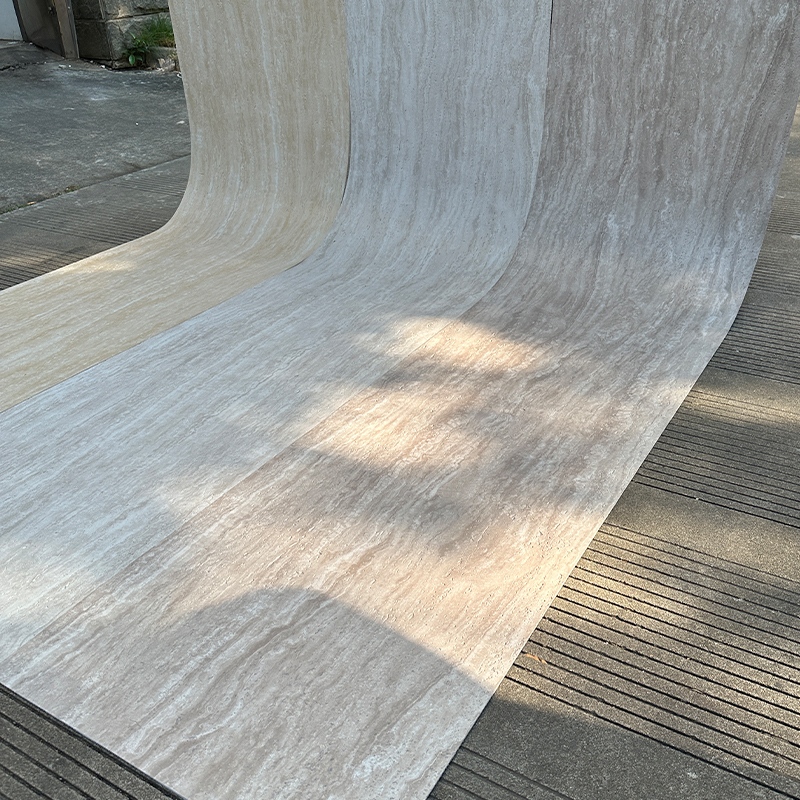
At first glance, flexible stone might sound like a contradiction. After all, stone is supposed to be solid, heavy, and unyielding. But this material flips that idea on its head. It's a real, natural stone surface that's been transformed – usually by peeling a thin layer from a slab of slate, mica, or sandstone, and then reinforcing it with a lightweight backing like fiberglass or polymer. The result? A sheet of authentic stone that you can bend, roll, and even cut with a utility knife.
The magic lies in how it keeps all the texture and depth of quarried stone while shedding the weight and rigidity. That means you get the look of stacked slate or rough-hewn quartzite without needing a mason or heavy machinery to install it. Designers and DIYers love it because it opens up possibilities that solid stone can't touch – think wrapping a curved column, cladding a lightweight piece of furniture, or creating a dramatic accent wall in a rental apartment where permanent changes are off-limits.
It's not a synthetic lookalike, either. That's a common point of confusion. Unlike cultured stone or veneer panels that are manufactured with molds and dyes, flexible stone is still 100% natural, with every vein, cleft, and color variation coming straight from the earth. And because it's so thin, the environmental footprint is lower than traditional stone cladding, while still giving your space that unmistakable tactile quality you just don't get from paint or wallpaper.
Lightweight Advantage: Why It’s a Total Game-Changer
Shedding unnecessary ounces transforms everything. When a product strips away bulk without sacrificing capability, it stops being just another item and becomes an extension of your day. You move faster, fatigue slower, and find yourself reaching for it instinctively—whether it's a tool, a piece of gear, or an everyday essential. That kind of seamless integration changes habits.
The real shift comes in the moments you didn't anticipate. A lighter load means you're ready when plans pivot—taking the long way home, climbing an extra flight of stairs, or simply thriving through a marathon stretch of errands. There's no dread of lugging something cumbersome, so you embrace more. It sounds simple, but that mental freedom is what makes the physical difference so profound.
Over time, the advantage compounds. Less strain on your body adds up to more energy and fewer sore spots. You stop compensating for heft and start enjoying the activity itself. That's when the game truly changes: you’re no longer working around a limitation; you’ve been handed a quiet, constant upgrade that reshapes your daily rhythm.
Looks Like Real Stone, Installs Like Wallpaper
You won’t believe your eyes—or your walls. This isn’t the heavy, messy stonework of yesteryear. Each panel captures the depth, texture, and subtle color shifts of genuine stacked stone, right down to the cool-to-the-touch feel. Guests will run their hands over it and swear it’s the real thing, but you’ll know the secret: it’s a lightweight, flexible material that fools everyone.
Installation is where the magic really happens. Forget mortar, special tools, or calling in a pro. The panels go up with simple peel-and-stick ease, or a dab of adhesive if you prefer—much like hanging wallpaper. Trim them with a utility knife around outlets and corners, and in a single afternoon, you’ve transformed a bland space into a showpiece accent wall or fireplace surround.
What sets this apart isn’t just the realism or the simplicity; it’s how forgiving the whole process is. No dust clouds, no heavy lifting, no stress. Just unroll, position, and press. If a panel doesn’t sit right, peel it off and readjust—try that with actual stone. It’s a weekend project that leaves you with a high-end finish and plenty of time to sit back and admire your work.
Spaces You’d Never Think to Add Stone (But Should)
Stone has a way of grounding a room, yet most people relegate it to countertops and fireplace surrounds. Have you ever looked at the back of an open shelving unit and imagined a slab of honed limestone? It transforms a purely functional bookshelf into a focal point. The contrast between your curated objects and the raw, organic texture behind them adds depth that paint simply can’t replicate. It’s a quiet upgrade that feels luxurious without screaming for attention.
Then there are the spaces we pass through every day without a second thought: hallways. Lining a narrow corridor wall with a split-face mosaic brings an unexpected tactile experience. Your hand brushes against the uneven surface as you walk, and suddenly a transitional space feels deliberate. It’s not about making a grand statement—it’s about turning an ordinary passage into a brief moment of delight. The play of light and shadow across the stone throughout the day keeps it ever-changing.
Even a laundry room can benefit from this approach. A soapstone integrated sink or a slate backsplash behind the utility sink introduces a sense of permanence to a room usually defined by chores. It makes the space feel less like an afterthought and more like somewhere you don’t mind spending time. When the most mundane corner of your home has that weight and history, it elevates your whole routine.
The Low-Maintenance Reality Nobody Talks About
When people picture a low-maintenance home, they imagine a space that practically takes care of itself. The truth is far more interesting. You can’t escape chores entirely, but the secret lies in smart material choices that age gracefully instead of just surviving. A concrete floor with a matte seal doesn’t need polishing; it develops a subtle patina that looks better with time. That quartz countertop won’t need sealing every year, and the brass fixtures you chose unlaquered will dull into a lived-in warmth that hides water spots effortlessly.
The real trick is designing redundancy out of your routines. Most “low maintenance” advice still assumes you’ll dust, scrub, and declutter on a regular schedule. But if you eliminate ledges where dust collects, install closets without doors that swing shut, and choose textiles that camouflage pet hair, you’re not just reducing chores—you’re altering the rhythm of your day. I know someone who put a dimmer switch in the hallway solely so they’d stop noticing the baseboards needed repainting. That’s the kind of practical magic that spec sheets never mention.
Perhaps the biggest unspoken reality is that low maintenance doesn’t mean static. The materials you live with should have a quiet mutability. Wool rugs self-clean with humidity changes, unfinished wood shelves darken uniformly in sunlight, and even stainless steel appliances can be treated with a nano-coating that resists fingerprints for years. It’s a living, breathing system where the house does some of the work for you—not through technology, but through physics and a little bit of foresight. That’s the part nobody talks about at the home improvement store.
Finding a Manufacturer You Can Actually Trust
Most manufacturers can talk a good game, but trust isn’t built on polished pitch decks. It’s revealed in the details they’d rather you overlook—like how they handle your first sample request. If they brush off specific material questions or push you toward their “standard” without hesitation, that’s a signal worth paying attention to. A factory worth trusting doesn’t just agree to customizations; they ask clarifying questions that show they understand the end use, not just the spec sheet.
Real trust also comes from seeing how they operate when things don’t go perfectly. A shipment delay or a minor defect isn’t the end of the world, but their response can be. Do they proactively inform you, or do you only find out when boxes arrive? A manufacturer that owns problems quickly and offers concrete solutions—not excuses—has likely earned their reputation through repeated plays of doing the right thing when no one is watching.
Before you scale up, carve out time for an unscripted visit. Not the guided-tour kind where everything gleams, but the kind where you walk the floor at odd hours. Notice the workers’ pace, the organization of raw materials, and whether safety gear is actually worn. These raw signals tell you more about daily discipline than any certificate on the wall. A factory that stays consistent when no VIP is present is one you can probably count on when your order is just a number in their queue.
FAQ
It works almost anywhere you want the look of natural stone without the weight. Think accent walls in living rooms, kitchen backsplashes, bathroom features, fireplace surrounds, or even curved columns. It's also great for commercial interiors like lobbies, restaurants, and retail displays. Because it's so adaptable, you can use it on surfaces that would struggle under real stone – like lightweight drywall or curved walls.
The biggest difference is the installation experience. Traditional stone is heavy, rigid, and often needs special structural support. Flexible stone veneer, on the other hand, is incredibly thin – often just a few millimeters – and bends around curves without cracking. You can cut it with a utility knife, and it sticks to most surfaces with basic adhesive. It gives you genuine stone texture, but without the hassle and cost of masonry work.
Look for a manufacturer that provides consistent color and texture in their samples and orders. Ask about the stone sourcing – natural stone veneer means each piece will have unique variations, which adds character. A good manufacturer will also be transparent about the backing materials and adhesives they recommend. Check if they offer support with installation guides or video tutorials. And don't underestimate the value of a responsive customer service team who can answer your questions before you commit.
Many installations are perfect for a DIY weekend project. If you can handle a wallpaper or tiling project, you can probably manage this. The veneer is easy to cut and adheres with simple adhesives. You'll need to prepare the surface, measure carefully, and work section by section. That said, for huge feature walls or complex commercial jobs, hiring a pro can save time and ensure seamless results. Either way, the learning curve is shorter than with traditional stone.
Because it's flexible and lightweight, you can use it on columns, curved bar fronts, cabinet insets, headboards, ceiling accents, and even outdoor kitchens. Some designers use it to wrap furniture pieces or create framed stone art panels. Layering it with lighting can create dramatic shadow lines. You're not limited to flat, vertical surfaces – the flexibility lets you treat stone like a fabric in some ways, shaping it to your vision.
Generally well, but you need to choose the right product and seal it properly. Most natural flexible stone veneers are porous, so a penetrating sealer is a must for wet zones. Once sealed, it holds up fine on bathroom walls, shower surrounds (outside the direct spray area), and kitchen backsplashes. Avoid constant water immersion, though – it's not designed for submerged applications like pool liners. Proper sealing also makes it resistant to mold and mildew in humid conditions.
In many ways, yes. Because it uses a thin layer of real stone, it extracts far less raw material from quarries than traditional thick stone blocks. Its light weight means lower transportation emissions. Some manufacturers also use recycled content in the backing. And because it can adhere directly over existing surfaces, you often skip demolition waste. If sustainable building materials matter to you, this is a product that aligns well with green design principles.
Minimal. A dusting or gentle vacuuming occasionally keeps it clean. For stubborn dirt, a damp cloth with mild soap works; avoid abrasive cleaners or stiff brushes that could scratch the stone surface. If sealed, it resists staining, but wiping up spills quickly is still smart. Re-sealing every couple of years in high-use or wet areas maintains water resistance. There's no need for waxes or polishes – one of the perks of natural stone is that it ages gracefully with little help.
Conclusion
Flexible stone is exactly what it sounds like—an ultra-thin layer of real stone bonded to a flexible backing, giving you the authentic texture and depth of natural stone without the bulk or hassle. The lightweight advantage completely transforms how we think about stone finishes. Forget heavy slabs that need structural reinforcement; this material is so light you can install it almost anywhere, even on curved walls or ceilings, with nothing more than basic tools and adhesive. It looks and feels like quarried stone but installs as effortlessly as wallpaper, opening up design possibilities that used to be impractical. From accent walls in living rooms to bathroom backsplashes, even wrapping columns or elevating kitchen islands, flexible stone lets you add organic warmth to spaces that traditionally couldn’t handle heavy masonry.
What often surprises people is how little maintenance it actually demands. A simple wipe-down keeps it looking fresh, and there’s no need for sealing or special cleaners—a reality nobody really talks about until they’ve lived with it. When you’re ready to start your project, finding a manufacturer you can trust is everything. Look for a supplier who consistently delivers color-matched batches, uses high-quality natural stone, and provides clear installation support. A reliable manufacturer will offer samples and stand behind their product, making sure you get a finish that lasts and truly transforms your space without the traditional drawbacks of stone.
Contact Us
Contact Person: Vito
Email: [email protected]
Tel/WhatsApp: 86 13088879266
Website: https://www.magicstonemcm.com