

Global Import and Export Data Prices: Trends, Analysis, and Strategies for Businesses
2026-04-19
Navigating the complexities of global trade can feel like deciphering a constantly shifting code. With import and export data prices fluctuating due to geopolitical tensions, supply chain disruptions, and economic policies, businesses face unprecedented challenges in forecasting costs and strategizing effectively. Understanding these trends is no longer a luxury—it’s a necessity for staying competitive. In this blog, we delve into the latest analysis of global import and export data prices, uncovering actionable strategies to help your business adapt and thrive. Discover how tools like Tendata can transform raw data into insightful, real-time intelligence, empowering you to make smarter decisions and seize opportunities in a dynamic market. Let's explore what the numbers reveal and how you can leverage them to your advantage.
Understanding the Dynamics of International Trade Costs
International trade costs are a complex blend of factors that go far beyond just tariffs and transportation fees, shaping the way goods and services flow across borders. While tariffs often grab headlines, less visible elements like non-tariff barriers—such as regulatory differences, certification requirements, and customs procedures—can quietly add significant layers of expense. For instance, a company exporting agricultural products might face hurdles in meeting varying food safety standards between countries, leading to delays and compliance costs that aren't immediately apparent in budget forecasts. Understanding these dynamics requires digging into the subtleties of administrative burdens and market access issues that can unexpectedly inflate trade expenses.
A critical aspect often overlooked is how trade costs evolve with technological and infrastructure developments. In recent years, digital platforms and logistics innovations have slashed some traditional barriers, yet new challenges like cybersecurity risks and data privacy regulations have emerged, adding cost layers that didn't exist a decade ago. For example, the shift toward e-commerce has reduced physical shipping costs for small businesses but introduced complexities in cross-border digital payments and intellectual property protection. By examining these shifting dynamics, stakeholders can better anticipate how advancements in automation or changes in global supply chain strategies might reshape cost structures, offering insights into where future efficiencies or bottlenecks could arise.
Another nuanced angle involves the interplay between trade costs and broader economic policies, which can create ripple effects that alter competitiveness over time. Consider how environmental standards or labor regulations, while not directly labeled as trade costs, influence production expenses and market access—a firm in a country with stricter carbon targets might face higher operational costs, affecting its trade position relative to competitors with laxer rules. By analyzing these interconnections, it becomes clear that trade costs aren't static; they're deeply embedded in the evolving landscape of international relations and domestic priorities, demanding a holistic view that accounts for everything from geopolitical tensions to sustainability initiatives.
Key Trends Shaping Import and Export Pricing Worldwide
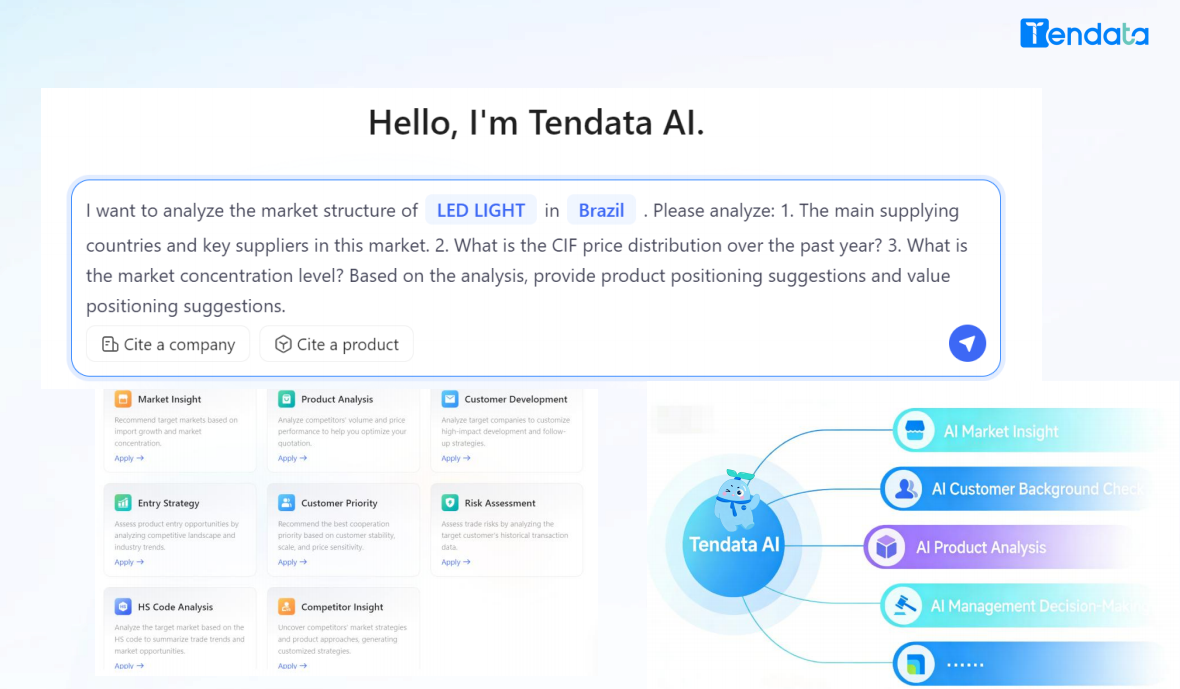
Global trade dynamics are undergoing a swift transformation, directly influencing import and export prices across the board. A major factor is the persistent volatility in supply chains, which continues to create unpredictability in pricing. Companies are now heavily investing in regional diversification and nearshoring to mitigate risks, but these strategies often come with higher operational costs that are inevitably passed on to consumers. Additionally, geopolitical tensions and trade policies, such as tariffs and sanctions, are reshaping market access and adding layers of complexity to pricing structures, forcing businesses to adapt quickly to maintain competitiveness.
Technological advancements are also playing a pivotal role in shaping pricing trends. The adoption of digital tools and automation in logistics and production is streamlining processes, yet the initial investment and ongoing maintenance can lead to temporary price increases. Moreover, the rise of e-commerce and direct-to-consumer models is altering traditional distribution channels, enabling more dynamic pricing strategies that respond in real-time to demand fluctuations and competitor actions, making global trade more agile but also more competitive.
Environmental and regulatory pressures are increasingly affecting import and export costs. Stricter sustainability standards and carbon pricing mechanisms are prompting companies to integrate green practices, which often involve additional expenses that factor into final product prices. This shift is not just about compliance; it's becoming a key differentiator in global markets, influencing consumer preferences and trade agreements, and thereby shaping long-term pricing strategies that align with a greener economy.
Analyzing Market Factors That Influence Global Trade Expenses
Global trade expenses are shaped by a complex web of market factors, each contributing to the overall cost of moving goods across borders. Key elements like fluctuating currency exchange rates can significantly impact pricing, as businesses must navigate volatile forex markets to manage payments and receipts. Tariffs and trade policies, often influenced by geopolitical tensions, add another layer of expense, with sudden changes potentially disrupting supply chains and increasing compliance costs. Additionally, local economic conditions in trading partners, such as inflation or recession, affect demand and pricing strategies, making real-time analysis crucial for cost-effective operations.
Beyond direct financial considerations, logistical aspects play a pivotal role in trade expenses. Transportation costs, driven by fuel prices and infrastructure quality, vary widely between regions, influencing route selection and shipment methods. Regulatory compliance, including customs procedures and safety standards, introduces administrative burdens and delays that can escalate expenses if not efficiently managed. Moreover, market access barriers, like quotas or licensing requirements, can limit competitive advantages, forcing companies to adapt their sourcing and distribution networks to optimize spending while maintaining trade flows.
Technological advancements and environmental factors are increasingly relevant in this analysis. Digital tools, such as blockchain for supply chain transparency, can reduce expenses by minimizing fraud and streamlining documentation, but they require upfront investment. Meanwhile, climate-related disruptions, like extreme weather events, pose risks to shipping timelines and insurance premiums, adding unpredictability to cost calculations. By integrating these diverse market factors into strategic planning, businesses can better anticipate and mitigate expenses, fostering more resilient and profitable global trade engagements.
Strategic Approaches for Businesses to Mitigate Price Volatility
Navigating price volatility requires businesses to adopt proactive strategies that go beyond simple reactive adjustments. One effective approach involves diversifying supply chains to reduce dependency on single sources, which can cushion the impact of sudden price spikes in specific markets or commodities. By establishing relationships with multiple suppliers across different regions, companies can better manage risks associated with geopolitical events or localized disruptions, ensuring a more stable cost structure even when external factors fluctuate unpredictably.
Another key tactic is the implementation of financial hedging instruments, such as futures contracts or options, which allow firms to lock in prices for essential inputs well in advance. This not only provides a layer of predictability in budgeting but also shields operational margins from wild swings in raw material costs. However, it's crucial for businesses to tailor these instruments to their specific risk profiles—over-hedging can lead to missed opportunities, while under-hedging might leave them vulnerable during periods of intense market turbulence.
Ultimately, fostering strong customer relationships through transparent communication about pricing strategies can enhance loyalty and mitigate backlash during volatile periods. By explaining how market conditions affect costs and offering flexible pricing models, businesses can turn potential friction into trust-building opportunities, ensuring long-term resilience amidst economic uncertainties.
Leveraging Data Insights for Competitive Advantage in Trade
In today's global trade landscape, businesses that harness the power of data insights gain a critical edge in navigating complex markets, predicting trends, and optimizing operations. By analyzing vast datasets from sources like supply chains, customer behavior, and economic indicators, companies can uncover hidden patterns that inform strategic decisions. This proactive approach allows firms to adapt swiftly to disruptions, such as shifting tariffs or demand fluctuations, turning potential challenges into opportunities for growth and innovation.
Moreover, leveraging data not only enhances efficiency but also fosters stronger relationships with partners and customers through personalized strategies. For instance, in trade negotiations or logistics planning, data-driven insights enable more precise forecasting and risk management, reducing costs and boosting profitability. This shift from intuition-based to evidence-based decision-making helps businesses carve out niches in competitive sectors, ensuring they stay ahead in an increasingly data-centric world.
Practical Tips for Companies to Optimize Cross-Border Operations
Navigating cross-border operations can be tricky, but with the right strategies, companies can streamline processes and boost efficiency. Start by conducting thorough market research to understand local regulations, cultural nuances, and consumer behaviors. This groundwork helps avoid common pitfalls like compliance issues or misaligned marketing campaigns. Additionally, leveraging technology for real-time communication and data sharing across international teams can minimize delays and enhance coordination, making operations smoother and more responsive to global demands.
Another key aspect is building strong local partnerships and networks. By collaborating with trusted suppliers, distributors, or consultants who have on-the-ground expertise, businesses can gain insights and access resources that might otherwise be hard to obtain. This fosters agility in adapting to market changes and ensures a more seamless integration into new territories. Focus on fostering these relationships through regular engagement and clear communication, as they can provide invaluable support in navigating logistical challenges or regulatory hurdles.
Finally, invest in ongoing training and development for your cross-border teams to keep them updated on international trends and best practices. Encourage a culture of continuous learning and adaptability, which empowers employees to handle diverse scenarios effectively. By prioritizing these practical steps, companies can not only optimize their operations but also build a resilient framework for sustained growth in the global marketplace.
FAQ
Global import and export data prices are increasingly influenced by factors like digitalization, geopolitical shifts, and supply chain disruptions. For instance, the rise of e-commerce has boosted demand for real-time data, while trade tensions between major economies can cause price volatility. Businesses should monitor these trends to anticipate costs and adapt strategies accordingly, with a focus on sustainability and compliance as emerging drivers.
SMEs often face significant challenges due to price fluctuations, as they may have limited resources to absorb sudden cost increases. For example, a spike in data pricing for customs documentation or logistics tracking can squeeze profit margins. To mitigate this, SMEs can leverage forecasting tools, diversify suppliers, or adopt flexible pricing models, ensuring they stay competitive without compromising quality or service.
Effective strategies include using advanced analytics tools that combine historical data with real-time market insights. Businesses can also engage in scenario planning, considering factors like currency exchange rates, regulatory changes, and global events. Partnering with industry experts or subscribing to specialized reports can provide a deeper understanding, helping companies make data-driven decisions to optimize procurement and pricing strategies.
Regional differences, such as varying regulations, infrastructure quality, and economic conditions, can lead to disparities in data pricing. For instance, data costs might be higher in regions with strict compliance requirements or limited connectivity. Companies should conduct thorough market research, localize their approaches by understanding regional nuances, and build resilient supply chains to manage costs and risks effectively across different geographies.
Technology plays a crucial role by enhancing transparency, accuracy, and efficiency in data management. AI can analyze vast datasets to predict pricing trends and identify cost-saving opportunities, while blockchain ensures secure, tamper-proof records for transactions. Businesses that integrate these technologies can streamline operations, reduce errors, and gain a competitive edge by optimizing data-related expenses and improving overall supply chain visibility.
A proactive strategy involves continuous monitoring of market indicators, building flexible contracts with vendors, and maintaining contingency funds for unexpected costs. Additionally, fostering strong relationships with logistics partners and investing in employee training on data analytics can enhance adaptability. By staying informed and agile, businesses can quickly adjust their operations to mitigate risks and capitalize on opportunities as pricing dynamics evolve.
Conclusion
In today's fast-paced global market, businesses must deeply understand international trade costs to thrive. The dynamics shaping these expenses are complex—from shifting geopolitical landscapes to supply chain disruptions and fluctuating currency rates. Key trends in import and export pricing worldwide, such as digitalization and sustainability mandates, are reshaping how companies operate, requiring agile responses to stay competitive. By analyzing market factors like regional economic policies and consumer demand patterns, businesses can uncover hidden opportunities and mitigate risks, turning data into actionable insights for smarter decision-making.
To navigate price volatility, companies should adopt strategic approaches, such as diversifying suppliers or hedging against currency fluctuations. Leveraging data insights not only offers a competitive advantage but also enables firms to anticipate market shifts and optimize cross-border operations. Practical tips, like investing in technology for real-time tracking or fostering local partnerships, help streamline processes and reduce overhead. Ultimately, embracing these strategies allows businesses to build resilience, enhance efficiency, and capitalize on global trade opportunities in an ever-evolving economic environment.
Contact Us
Contact Person: Grace
Email: [email protected]
Tel/WhatsApp: +86 18721992033
Website: https://www.tendata.com