

Hastelloy Alloys: Unlocking Corrosion Resistance with Advanced Import Solutions
2026-03-26
In the demanding world of industrial manufacturing, few materials face harsher environments than those exposed to corrosive agents. For engineers and procurement specialists, the quest for alloys that can withstand these extremes is not just a technical challenge—it's a critical business imperative. When it comes to superior corrosion resistance, Hastelloy alloys stand at the forefront of innovation. Yet, accessing these advanced materials consistently and efficiently can be a complex puzzle. This is where expertise in sourcing and solutions becomes invaluable. At Jiangsu Baowu New Materials, we specialize in unlocking the full potential of Hastelloy through tailored import strategies and deep technical support. In this blog, we'll explore how cutting-edge import solutions are transforming corrosion management, offering insights that could redefine your approach to material selection and supply chain resilience. Let's delve into the science, the strategy, and the success stories behind these remarkable alloys.
Exploring the unique chemical composition behind Hastelloy alloys' corrosion resistance
Hastelloy alloys, such as C-276 and C-22, stand out in industrial applications not just for their durability but due to a carefully balanced blend of elements that few other materials can match. At their core, these alloys combine a high percentage of nickel with significant amounts of molybdenum, chromium, and tungsten, creating a synergetic effect that fortifies against corrosive agents. This mix is no accident; it was developed through extensive research to target specific threats like pitting and stress corrosion cracking, which commonly plague metals in harsh environments. By tweaking the ratios of these key components, Hastelloy alloys achieve a robust passive film that resists degradation, making them indispensable in sectors like chemical processing and marine engineering.
What truly sets Hastelloy apart is its ability to maintain integrity in extreme conditions, thanks to elements like molybdenum, which enhances resistance to reducing acids, and chromium, which boosts defense against oxidizing media. Unlike simpler alloys that might rely on a single element for protection, Hastelloy's multi-component approach creates a more versatile shield, allowing it to perform reliably in mixed-acid environments or when exposed to chlorides. This nuanced composition means that even minor variations in alloy content can lead to significant differences in performance, guiding engineers to select specific grades based on precise operational needs. It's this tailored chemical artistry that underpins Hastelloy's reputation for long-term reliability.
In practice, Hastelloy alloys' resistance extends beyond mere chemical inertness; it involves a dynamic interaction where the alloy surface adapts to corrosive challenges. For instance, in high-temperature applications, elements like tungsten and cobalt can be added to stabilize the microstructure, preventing phase changes that might compromise durability. This adaptability makes Hastelloy not just a static material but a responsive one, capable of evolving to meet emerging industrial demands. As research continues to refine these compositions, the alloys remain at the forefront of corrosion-resistant technology, offering solutions that are both scientifically sophisticated and practically proven in the field.
How advanced foreign manufacturing enhances Hastelloy's performance in harsh environments
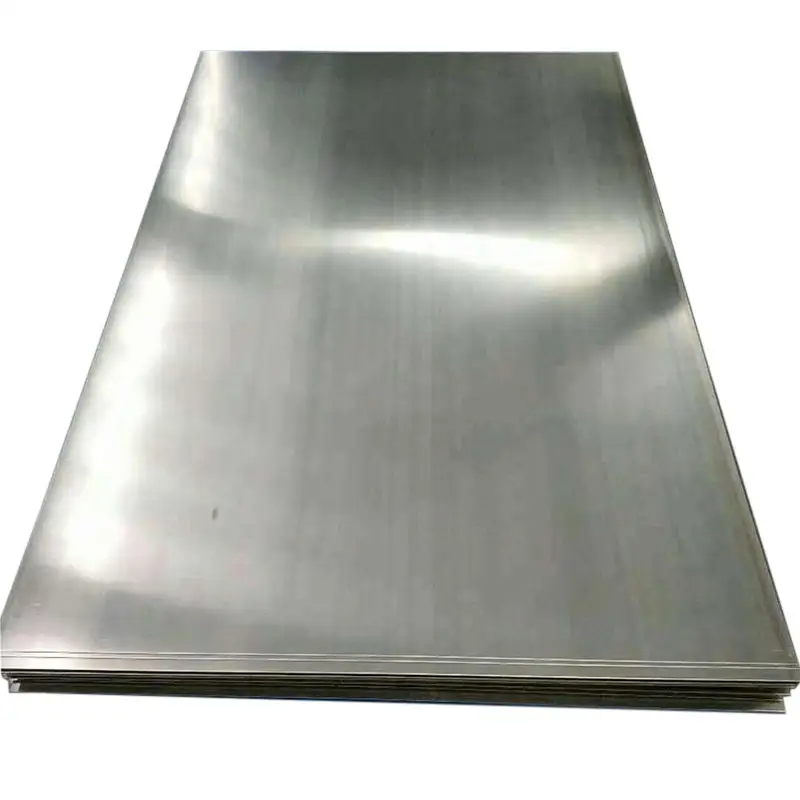
Thanks to precision engineering and cutting-edge techniques, foreign manufacturers elevate Hastelloy's capabilities in extreme settings. For instance, specialized production processes ensure consistent microstructure and alloy composition, minimizing defects that can lead to premature corrosion under high temperatures or acidic conditions. This meticulous control allows the alloy to resist stress corrosion cracking and localized attacks more effectively than standard variants, making it ideal for demanding industries like chemical processing and oil refining.
Beyond basic formulation, advanced manufacturing incorporates innovations like additive manufacturing and tailored heat treatments. These methods optimize grain boundaries and phase distribution, enhancing Hastelloy's fatigue resistance and mechanical strength. In environments with fluctuating pressures and temperatures, these refined properties translate to longer service life and reduced maintenance needs, giving industries a reliable edge in harsh operational landscapes.
Furthermore, foreign expertise often integrates rigorous testing protocols, such as accelerated aging simulations and real-world environment validations. By subjecting Hastelloy to simulated extreme conditions during production, manufacturers can fine-tune its performance, ensuring it withstands aggressive media like chlorides or sulfur compounds. This proactive approach not only boosts reliability but also supports compliance with stringent international standards, fostering trust in critical applications worldwide.
Real-world applications where imported Hastelloy solutions outperform local alternatives
In marine environments, the superior corrosion resistance of imported Hastelloy alloys like C276 ensures longer service life for critical components such as heat exchangers and piping systems, even when local alternatives may offer initial cost savings. These materials effectively withstand chloride-induced stress corrosion cracking, a common issue in seawater applications, reducing maintenance downtime and preventing costly failures in offshore platforms and desalination plants.
The chemical processing industry often relies on imported Hastelloy grades like B2 for handling highly corrosive media such as sulfuric acid and hydrochloric acid. Local alternatives may degrade quickly under such aggressive conditions, leading to safety hazards and production disruptions. Hastelloy's consistent quality and proven performance in reactors and storage tanks help maintain operational efficiency and compliance with stringent environmental regulations.
In aerospace and power generation, imported Hastelloy alloys provide exceptional high-temperature strength and oxidation resistance, outperforming local substitutes in turbine components and exhaust systems. This ensures reliable operation under extreme thermal cycling, enhancing overall system durability and reducing the risk of unplanned outages in critical infrastructure.
The role of international supply chains in ensuring consistent alloy quality and availability
International supply chains for alloys are more than just a logistical network; they are a sophisticated system underpinning modern manufacturing. By sourcing raw materials from regions with abundant natural resources, such as bauxite from Australia or iron ore from Brazil, these chains ensure a steady influx of essential inputs. This reduces dependency on local reserves, mitigating risks of shortages and price volatility that can disrupt production. For example, aerospace companies rely on titanium from Russia, the US, and Kazakhstan to maintain high-quality specifications, as consistent availability prevents batch-to-batch variations that could compromise safety. Moreover, cross-border collaboration allows for specialized refining processes, where countries like Germany or Japan excel in producing high-purity alloys, distributing them globally to meet stringent industry standards.
Beyond mere sourcing, these supply chains incorporate robust quality control measures that transcend borders. Through standardized testing protocols and certifications, such as ISO or ASTM standards, international partners enforce uniformity in alloy composition and mechanical properties. This is crucial in sectors like automotive engineering, where a minor impurity in steel from a supplier in China can affect the durability of vehicles assembled in Mexico. Advanced tracking technologies, like blockchain or RFID tags, enable real-time monitoring from mine to manufacturer, ensuring traceability and swift resolution of defects. For instance, in the electronics industry, consistent copper alloys from Chile must meet exact conductivity levels for circuit boards produced in Taiwan, highlighting how integrated checks maintain reliability across disparate regions.
In an era of globalized markets, the resilience of these supply chains directly influences alloy availability during disruptions. Diversified sourcing from multiple continents buffers against geopolitical tensions or natural disasters, such as trade disputes affecting rare earth metals or floods in mining regions. Strategic stockpiling and flexible logistics networks, like those used for aluminum during the COVID-19 pandemic, have proven vital in sustaining production lines. This adaptability not only secures access but also fosters innovation, as consistent supply enables research into new alloy blends for renewable energy or medical devices, driving progress while meeting ever-evolving demand.
Innovative import strategies that reduce costs while maintaining superior corrosion protection
Implementing just-in-time delivery systems can significantly cut warehousing and inventory expenses, allowing businesses to order corrosion-resistant materials only as needed, thus minimizing waste and storage fees. By partnering with suppliers in regions offering competitive pricing due to tax incentives or lower production costs, companies can secure high-quality protective coatings without compromising on durability. This approach not only trims overall import budgets but also ensures a steady flow of materials that meet stringent corrosion standards, adapting quickly to market fluctuations.
Leveraging digital platforms for real-time tracking and predictive analytics helps optimize shipping routes and reduce transit times, lowering logistics expenses while safeguarding materials from environmental damage during transport. By utilizing multi-modal transportation strategies, such as combining sea freight for bulk items with air freight for urgent components, firms can balance cost-efficiency with speed, ensuring corrosion-sensitive goods arrive in pristine condition. This flexibility enhances supply chain resilience, preventing delays that might otherwise lead to compromised protection measures.
Adopting a phased import strategy where initial batches are tested for corrosion resistance in local labs before full-scale procurement can prevent costly errors and rework. Collaborating with customs brokers familiar with regulatory requirements for protective materials streamlines clearance processes, avoiding fines and expediting delivery. By integrating sustainable sourcing practices, such as using eco-friendly anti-corrosion treatments from certified suppliers, companies not only reduce costs through efficient logistics but also boost their brand reputation while maintaining top-tier protection standards.
Future trends in global Hastelloy development and their impact on industrial durability
One of the most exciting shifts in Hastelloy development is the push towards alloy customization for specific industrial challenges. Rather than relying on standard grades like C-276 or C-22, manufacturers are increasingly tailoring compositions to combat extreme conditions in niche sectors. For instance, emerging variants designed for harsh geothermal environments or advanced nuclear reactors are enhancing corrosion resistance while maintaining mechanical strength, directly extending equipment lifespans in these demanding applications. This trend towards bespoke solutions means industries can now address durability issues with precision, reducing downtime and maintenance costs significantly.
Another key trend involves integrating Hastelloy with innovative manufacturing techniques, such as additive manufacturing or 3D printing. This allows for the creation of complex, lightweight components that were previously impossible with traditional methods, boosting efficiency in sectors like aerospace and chemical processing. By enabling rapid prototyping and on-demand production, these advancements not only improve durability through optimized designs but also accelerate the adoption of Hastelloy in new industrial realms, fostering resilience against wear and corrosion in cutting-edge machinery.
Looking ahead, sustainability is becoming a driving force in Hastelloy evolution, with researchers focusing on eco-friendly production methods and recyclability. Efforts to reduce energy consumption during alloy fabrication and enhance end-of-life recovery are poised to minimize environmental impact while maintaining performance standards. As global industries face stricter regulations and a growing emphasis on green practices, these durable, long-lasting materials are set to play a pivotal role in building more sustainable infrastructure, ensuring that industrial durability aligns with broader environmental goals for the future.
FAQ
Hastelloy alloys excel in harsh conditions due to their nickel and molybdenum content, which provide exceptional resistance to acids, chlorides, and oxidizing agents, making them ideal for chemical processing and marine applications.
Advanced import solutions streamline supply chains by ensuring timely delivery, quality assurance, and compliance with international standards, enabling manufacturers worldwide to access these high-performance materials without logistical hurdles.
Chromium in Hastelloy alloys forms a passive oxide layer on the surface, protecting against oxidation and pitting corrosion in high-temperature and acidic environments, significantly extending equipment lifespan.
They are widely used in chemical reactors, oil and gas pipelines, flue gas desulfurization systems, and pharmaceutical manufacturing where durability against corrosion is critical for safety and efficiency.
Grades like Hastelloy C-276 and C-22 differ in molybdenum and tungsten levels, tailoring resistance to specific corrosive media; for instance, C-276 offers superior protection in reducing environments, while C-22 handles oxidizing conditions better.
Challenges include customs delays, quality inconsistencies, and high costs. Mitigation strategies involve working with certified suppliers, using digital tracking systems, and leveraging bulk procurement to optimize expenses.
Conclusion
Hastelloy alloys are renowned for their exceptional corrosion resistance, which stems from their unique chemical composition. This resistance is vital in harsh environments, and advanced foreign manufacturing techniques further enhance these properties, ensuring superior performance. Real-world applications consistently demonstrate that imported Hastelloy solutions outperform local alternatives, particularly in industries demanding high durability. International supply chains play a crucial role in maintaining consistent alloy quality and availability, supporting global operations.
Innovative import strategies help reduce costs without compromising the superior corrosion protection that Hastelloy provides. Looking ahead, future trends in global Hastelloy development are set to impact industrial durability positively. By integrating advanced foreign solutions, industries can unlock new levels of efficiency and reliability, making Hastelloy a cornerstone in combatting corrosion challenges worldwide. This holistic approach ensures sustainable and effective material use across various sectors.
Contact Us
Contact Person: Zoe Liang
Email: [email protected]
Tel/WhatsApp: 86 189 2128 6299
Website: https://www.baowuchina.com