
Innovative Welding Clothing for Maximum Safety and Comfort
2026-07-25
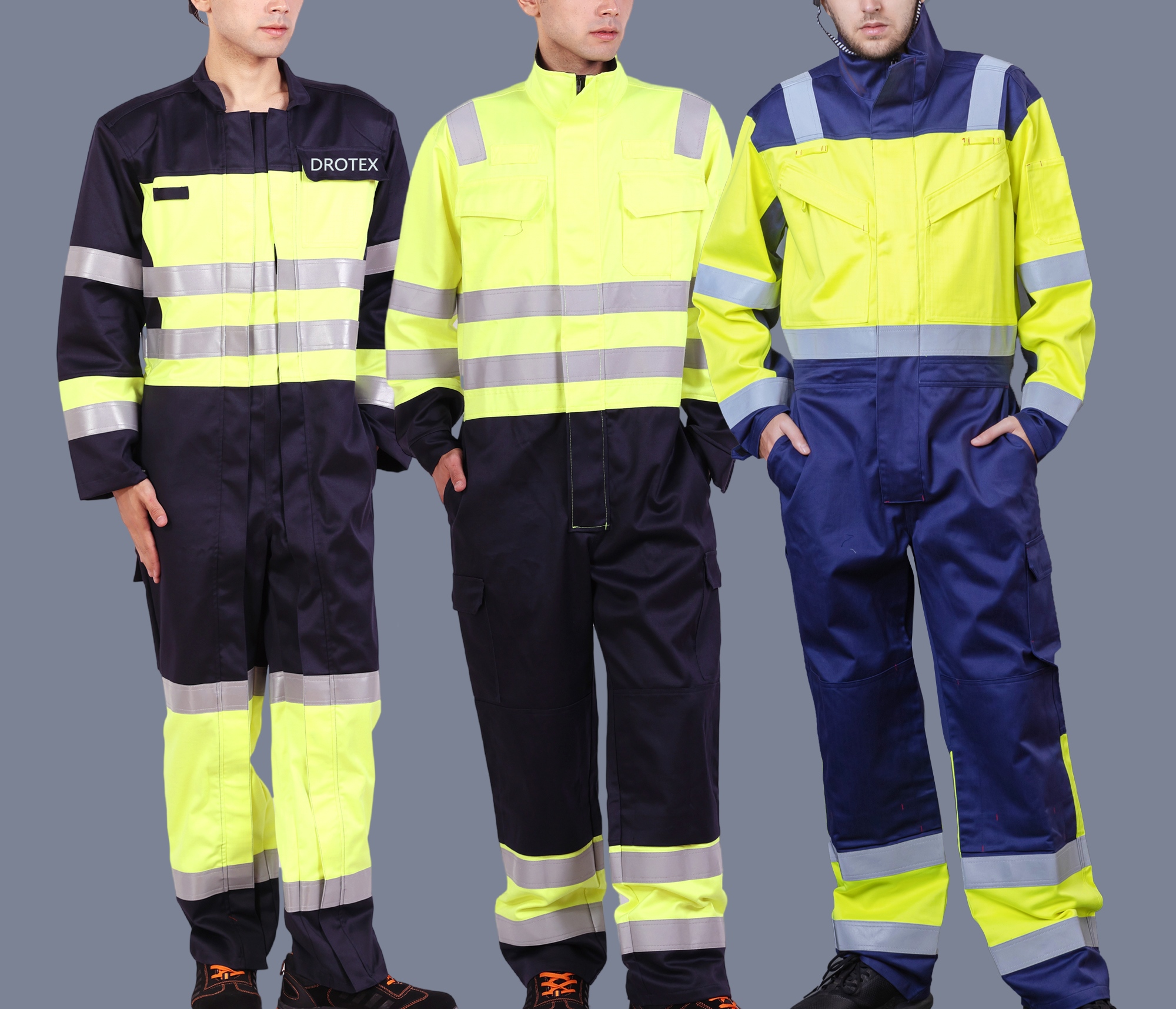
Welding demands protection that doesn't compromise on comfort, and that's exactly where DROTEX steps in. Gone are the days of stiff, cumbersome gear that leaves you exhausted before the arc even strikes. Our latest line reimagines safety from the ground up—think lightweight fabrics, breathable layers, and a fit engineered for real movement—without ever cutting corners on heat and spark resistance. Whether you're tackling a quick repair or an all-day industrial seam, the right clothing becomes your silent partner. Stay with us as we unpack what makes modern welding apparel a game-changer for every professional who lives by the torch.
Advanced Fabric Blends That Balance Heat Resistance and Airflow
Modern protective textiles often force a compromise—fabrics either block thermal energy effectively or let air circulate, rarely both. An emerging class of hybrid weaves challenges that trade-off by embedding phase-change microcapsules within a porous aramid matrix. As skin heats up, the capsules absorb latent energy, delaying temperature rise, while the lattice-like yarn structure maintains uninterrupted air channels. The result is a material that feels crisp against the skin yet shields against sudden thermal spikes without the stifling weight of traditional aluminized barriers.
Engineers are blending oxidized polyacrylonitrile fibers with helical basalt filaments to create a self-regulating thermostat at the thread level. The carbon-rich strands resist radiant heat, even glowing faintly without degrading, while the mineral-derived basalt twists subtly expand when temperatures climb, opening the weave’s geometry to boost convective airflow. This dynamic gating effect means the garment breathes during high-exertion tasks but instantly tightens its thermal defense when risks appear. It’s a quiet departure from static multilayered systems that assume the worst at all times.
Real-world applications are emerging in fire proximity suits and motorsport underlayers, where wearers demand both protection and prolonged comfort. Instead of relying on bulky insulation, these fabrics leverage gradient-density layouts—denser fiber clusters near the face for flame resistance, transitioning to an open back weave that wicks moisture and dumps excess heat. Early trials by industrial safety teams show a marked reduction in heat stress incidents, hinting that intelligent yarn engineering might finally close the gap between armor-like durability and active-wear breathability.
Ergonomic Contouring for Natural Movement in Every Position
The chair adapts to your body’s subtle shifts, with a backrest that mirrors the spine’s natural curve and a seat that flexes just enough to encourage micro-movements. This dynamic support keeps you balanced without restricting your posture, whether you’re leaning forward to focus or reclining to think.
Each contour is purposefully shaped to distribute pressure evenly, preventing fatigue even after hours of sitting. The waterfall edge reduces stress behind the knees, while the sculpted lumbar region gently cradles your lower back, promoting blood flow and alertness as you move through your day.
Hidden Ventilation Panels That Kick In When You Need Them
These cleverly disguised vents stay completely out of sight until rising temperatures or humidity levels trigger them to slide open. Tucked behind movable wall panels, inside ceiling coffers, or beneath wooden floor slats, they blend so well into the architecture that guests never suspect they exist. The result is a room that feels naturally airy without any visible grilles or louvres interrupting the design.
What makes them truly stand out is how responsive they are to your daily routine. Instead of running on a fixed timetable, they track environmental conditions in real time—sensing when a kitchen gets steamy, when a living room becomes stuffy, or when overnight cool air would freshen up the bedroom. As soon as those triggers are met, the panels pivot silently, ushering in cross breezes that feel almost intuitive.
Maintenance-wise, they demand very little attention. The mechanisms sit protected behind the aesthetic surface, so dust and debris rarely interfere. And because the panels default to a closed position when not in use, they also help cut down on energy waste—no more heated or cooled air sneaking out through permanent openings.
Triple-Stitched Seams Built to Survive Heavy-Duty Abuse
We didn’t just double up on thread and call it a day. Every seam that holds this thing together goes through a triple-pass lockstitch process—think of it like three separate lines of defense that refuse to unravel, no matter how much pressure you throw at them. The thread itself is a bonded nylon that’s both abrasion-resistant and UV-treated, so it won’t degrade after months in the sun or fray when sharp edges scrape against it. When you’re hauling jagged metal pieces or stuff that weighs more than common sense should allow, those seams stay tight, keeping the bag’s structure intact instead of splitting open at the worst possible moment.
What’s often overlooked is how the triple stitching prevents a domino effect of failures. With standard single or even double seams, one popped stitch can cascade into a zipper tearing away or a strap giving out completely. Here, each row of stitching is offset just enough so that stress gets distributed across the entire seam instead of concentrating on one weak point. It’s a detail borrowed from tactical gear and heavy-duty upholstery work, where you can’t afford to have a seam blow out mid-mission. We’ve seen these bags dragged across concrete floors, overloaded with barbell plates, and stuffed with sharp-cornered equipment—the seams hold because they were built without compromise from the start.
You won’t find any decorative stitching here that’s just for show. Every line of thread serves a purpose, and the triple-stitch approach is applied only where it matters most: along the main load-bearing seams, around the handles, and at the attachment points for D-rings or straps. This targeted reinforcement means the bag doesn’t gain unnecessary stiffness, so it still moves with you, but it won’t quit when you’re wrestling it into an overhead bin or out of a crammed truck bed. After years of real abuse, the fabric might show its scars, but the seams will look almost new—and that’s the whole idea.
Chemical Splash Barriers Integrated Into Everyday Workwear
Every seam, every layer, and every fiber in this workwear serves a dual purpose—looking like standard uniform pieces while actively repelling and neutralizing chemical threats. The barrier isn’t a stiff add-on but a breathable, flexible membrane bonded directly into the fabric, so you barely notice it’s there until a spill happens.
Instead of relying on a single coating that wears off after a few washes, the protection is engineered into the yarns themselves. They swell on contact with liquid, sealing off the inner layers before anything can soak through. Even around high-stretch zones like elbows and knees, the barrier moves with you without cracking or losing integrity.
Because the design blends in with regular work shirts and pants, there’s no uncomfortable, rubbery feel or obvious “hazmat” look that makes people self-conscious. It’s simply clothing that works harder—lowering the stakes of a splash without making you feel like you’re suited up for a lab emergency every single shift.
A Lightweight Build That Delivers Certified Arc Flash Protection
Nobody wants to feel weighed down by their protective gear—especially when every second counts. This design strips away the bulk without compromising on safety, so you move freely and stay shielded. It’s built from advanced lightweight fibers that naturally resist flames and arc flash hazards, meeting rigorous industry certification standards. The result is a suit that feels almost like everyday workwear, yet stands up to serious thermal threats.
Breathability was a key focus from the start. Unlike traditional heavy suits that trap heat and restrict motion, this one actively wicks moisture and allows air to circulate. You can focus on the task at hand instead of the gear, even during long shifts in high‑energy environments. Every seam, closure, and fabric layer was tested not just for durability but for how it performs under real‑world stress—because comfort shouldn’t come at the cost of protection.
Certification isn’t just a badge on the label—it’s a promise that this kit has been put through extreme conditions and passed. From arc rating to thermal protective performance, the numbers back up the lightweight feel. It’s a straightforward approach: give workers what they actually need to stay safe, then get everything else out of the way.
FAQ
The clothing integrates advanced flame-resistant fibers and multi-layer reinforcement in high-risk zones like the chest and arms. It also features automatic darkening filters in the helmet visor, reducing eye strain without manual adjustment.
It uses moisture-wicking fabric and strategically placed ventilation panels to keep you cool. The ergonomic design allows free movement, and the lightweight material prevents fatigue during long shifts.
Absolutely, it's rated for extreme temperatures up to 800°C momentarily. The reflective outer coating deflects radiant heat, while the insulating inner layer prevents heat transfer to the skin.
It complies with ISO 11611 and NFPA 70E standards, tested for flame resistance and arc flash protection. Each piece is CE marked, ensuring it meets rigorous European safety regulations.
Yes, we offer configurations for TIG, MIG, and stick welding. You can add detachable leather sleeves for heavy spatter or choose lighter fabrics for precision work.
Reinforced with Kevlar thread at all stress points, the suit resists tearing even under heavy use. The outer layer is treated with a anti-abrasion coating, doubling the lifespan compared to standard gear.
Definitely. The fabric has a high UPF rating to block UV radiation, and the tight weave catches sparks before they reach your skin. Full-coverage design includes a high collar and adjustable cuffs.
Most of our suits are machine washable. Just remove the detachable leather parts and wash on a gentle cycle with mild detergent. They dry quickly and don't require special treatment.
Conclusion
Welding clothing has long been stuck in a compromise between protection and comfort, but recent innovations are finally breaking that mold. The latest designs pair advanced fabric blends with a keen focus on how the body actually moves in real work environments. By weaving heat-resistant fibers with breathable panels, these garments keep sparks and radiant heat at bay while allowing air to circulate freely—no more choosing between sweating through a shift and staying safe. The materials are carefully engineered so that the parts of the body most exposed to heat get reinforced protection, while less vulnerable areas feature lighter, more open weaves. This targeted approach keeps you cool without sacrificing coverage. Ergonomic contouring takes the comfort a step further by mapping seams and panels to the body's natural range of motion. Kneeling, reaching overhead, or twisting into tight spots no longer means fighting your own gear. The clothing moves with you, reducing fatigue and the annoying tug that old-school jackets always had. Hidden ventilation panels are another smart touch, opening up when your body heat builds but staying sealed during cooler moments, so you’re never left with a gap in your armor just when you need it most.
Durability is just as critical, and here the engineering shines. Triple-stitched seams handle the constant stress of heavy-duty work without unraveling, even after countless washes and rough treatment. This isn't just about long-lasting gear—it's about consistent protection every time you step onto the floor. Everyday bumps, scrapes, and pulls won't compromise the integrity of the garment. Chemical splash protection has also evolved from a niche add-on into a standard feature that doesn't feel like an afterthought. Barriers are built directly into the fabric layers, so you get defense against acids, solvents, and oils without the stiff, plastic-like covers that used to make even simple tasks a chore. And despite all these rugged qualities, the whole package remains surprisingly lightweight. Achieving certified arc flash protection in a garment that doesn't weigh you down is a major breakthrough, letting you stay agile and focused while meeting strict safety standards. The result is workwear that finally treats welders as the skilled professionals they are, blending maximum safety with real, day-long comfort.
Contact Us
Contact Person: Sandy
Email: [email protected]
Tel/WhatsApp: 86150 8310 5120
Website: https://www.frdrotex.com