

Laser Hair Growth Cap: How to Choose the Perfect One for Your Needs
2026-05-06
Losing hair can feel like losing a part of your confidence, but the rise of laser hair growth caps offers a discreet, at-home solution. With so many options flooding the market, how do you pinpoint the one that truly matches your needs? In this guide, we'll break down the key factors to consider, and introduce you to the standout quality of GUANG TAI—a brand that blends innovation with reliability. Read on to discover your perfect match.
Decoding Laser Technology: What Really Works for Hair Regrowth
Laser hair regrowth isn’t some magic beam that zaps baldness away—it’s rooted in a process called photobiomodulation. Low-level laser therapy (LLLT) uses red or near-infrared light to penetrate the scalp and reach hair follicles. Once absorbed, this light energy kicks cellular metabolism into gear, boosting ATP production and improving blood flow to the follicles. The result? Dormant follicles wake up and shift from the resting phase into an active growth phase, producing thicker, healthier strands over time.
But here’s the catch: not all lasers are created equal. Devices that actually work use specific wavelengths—typically between 630 and 670 nanometers—and deliver a consistent dose of energy. Home gadgets like laser caps and combs need to be used consistently, often for 15–30 minutes several times a week, to mimic the effects of in-office treatments. The real difference shows up after months of use, not weeks. And while LLLT won’t resurrect long-dead follicles, it can significantly slow shedding and boost density in areas where hair is thinning but still present.
What often gets glossed over is that laser therapy works best as part of a bigger picture. Combining it with minoxidil or finasteride can amplify results, and managing stress or nutritional gaps makes a noticeable difference. It’s not about chasing a miracle cure but understanding that consistent, low-level stimulation can coax follicles back into doing what they’re designed to do. The technology is real, but it demands patience and realistic expectations—something marketing hype rarely admits.
The Comfort Factor: Why Design Matters More Than You Think
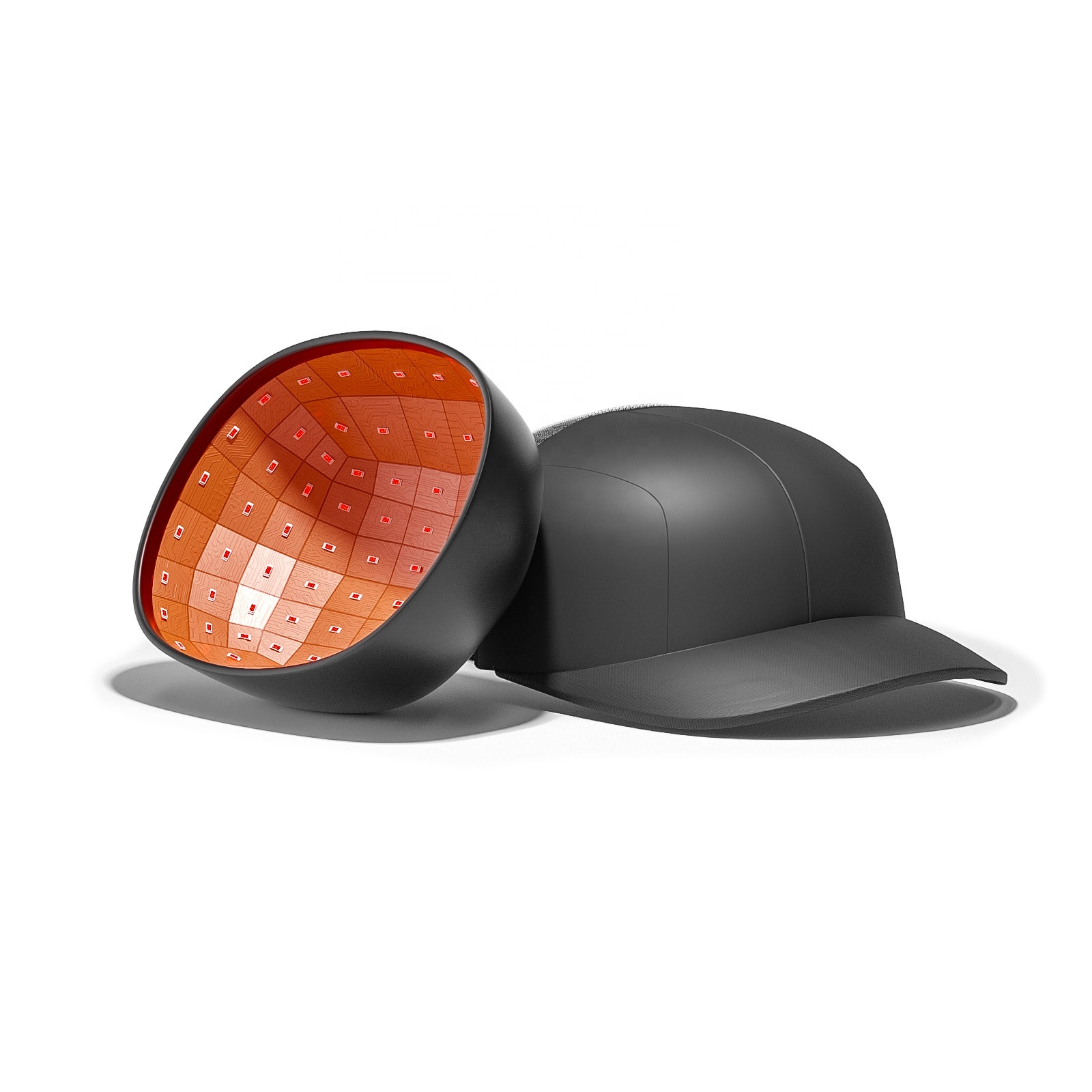
Comfort in design goes far beyond plush cushions and ergonomic chairs. It’s the silent handshake between a space and your senses—the way a room’s lighting adjusts your mood before you even notice it, or how a well-placed armrest saves your back without you ever thinking to thank it. When design considers comfort holistically, it turns ordinary moments into small acts of relief, and that’s a currency we all crave more than we admit.
Think about the last time a waiting room made you feel anxious or a website’s clutter gave you a headache. Those are failures of comfort, and they taint your perception of the brand or place long after you leave. Good design removes these tiny frictions so seamlessly that you only miss them when they’re gone, proving that comfort isn’t a luxury—it’s the invisible infrastructure of a well-lived day.
When we ignore the comfort factor, we’re essentially telling people their ease doesn’t matter. But when we prioritize it, everything from productivity to emotional resilience gets a boost. Design isn’t about showing off; it’s about showing up for the human who has to exist inside it. And that’s a truth that stays with you, shaping how you feel about the world one thoughtful detail at a time.
Laser Counts and Wavelengths: The Numbers Behind Real Results
The interplay between pulse count and wavelength can make or break a treatment plan. A 755 nm Alexandrite laser might require fewer sessions for dark, coarse hair, but ramp up the pulse count and you’re suddenly tackling finer strands on a completely different skin type without losing efficiency. It’s not just about picking a number off a spec sheet—each wavelength carries unique absorption preferences in melanin, hemoglobin, or ink particles. The right count then determines how thoroughly that energy saturates the target before the skin’s thermal relaxation time kicks in.
Take multi-colored tattoos as an example. A single wavelength like 1064 nm obliterates black and dark blue pigments effortlessly, but stubborn reds and yellows demand 532 nm pulses—and often at higher repetition rates to shatter the particles before they can settle back. Veteran practitioners learn to adjust these numbers on the fly, reading the endpoint of each pass. Too few counts, and you leave unwanted remnants; too many at the wrong wavelength, and you’re trading results for unnecessary downtime.
What truly separates guesswork from precision is tracking the cumulative fluence across sessions. A diode laser emitting 810 nm at 10 Hz might hit a sweet spot for olive skin tones, reducing hair count by 70% in four visits. Shift to a 755 nm platform with a slightly higher pulse count, and that same result could drop to three visits for lighter skin. These aren’t just minor tweaks—they’re the hard numbers that define whether a client walks away thrilled or schedules another corrective appointment.
Safety First: Certifications That Separate the Best from the Rest
When you pick up a product and spot a familiar certification mark, it’s easy to take it for granted. But that tiny logo represents weeks or months of rigorous evaluation by independent engineers who push components to their breaking points. From electrical shocks and fire hazards to chemical exposure, these tests simulate real-world abuse far beyond ordinary use. The best manufacturers don’t just meet the minimum requirements—they actively seek out the toughest standards to prove their designs are genuinely safe.
Behind every respected certification is a process that most consumers never see. Labs with decades of expertise run products through accelerated aging, voltage spikes, and edge-case failures that might never occur in a typical home—yet need to be guarded against. A hidden flaw like a loose solder joint might slip past in-house quality checks, but third-party testing is designed to catch exactly those oversights. That’s why certifications aren’t just paperwork; they’re a promise that someone impartial has already done the worrying for you.
Choosing gear backed by well-established certifications is one of the simplest ways to protect your family without needing an engineering degree. It’s not about brand loyalty or price tags—it’s about demanding proof that a device won’t become a hazard when you plug it in or leave it charging overnight. The next time you compare options, look past the marketing and ask yourself: has this been challenged by experts who don’t answer to the manufacturer? That mark is often the quiet differentiator between something that merely works and something that keeps you safe.
Setting Realistic Expectations: Your Timeline to See Changes
It's tempting to imagine waking up to a brand-new reflection overnight, but genuine transformation follows its own quiet clock. For most, the earliest whispers of change appear within four to six weeks—that subtle ease in your favorite jeans or a newfound spring in your step. These aren't flukes; they're the foundation being laid. Consistency here matters far more than intensity, so let those small victories anchor you when big leaps feel far away.
By the three-month mark, the narrative shifts from fleeting glimpses to a steady plotline. You might notice defined contours, improved endurance, or simply the way old habits no longer pull you backward. This is where patience pays its dividends. The mirror may not yet tell the full story, but your energy levels, sleep quality, and confidence will speak volumes about the internal architecture you've been quietly rebuilding.
Six months in, external feedback often becomes impossible to ignore—others start noticing what you've been feeling. By a year, the changes settle into something more permanent: a version of you that isn't defined by a finish line but by a lifestyle you've woven into the everyday. The timeline isn't a countdown; it's an unfolding. Trust it, and more importantly, trust yourself to stick with the unspectacular, daily choices that compound into something spectacular.
Smart Spending: Balancing Cost and Quality for Long-Term Success
Spending wisely isn't about always choosing the cheapest option—it's about weighing immediate costs against lasting value. Too often, a low upfront price masks hidden flaws: materials that wear out quickly, designs that date fast, or the need for frequent repairs. By looking beyond the sticker, you can spot purchases that truly earn their keep over time, saving money and frustration in the long run.
Quality doesn't have to break the bank. It's more about matching what you buy to your actual needs rather than chasing luxury labels. Sometimes a mid-range product performs just as well for everyday use as its premium counterpart. The trick is to research sincerely—read user experiences, compare specifications that matter to you, and ignore flashy extras you'll never touch. A little digging reveals where honest craftsmanship lives, often at a fair price.
Long-term success comes from treating every purchase as part of a bigger picture. A well-made item might cost more now, but it sidesteps the cycle of replacement, reducing waste and regret. This approach applies to everything from kitchen tools to software subscriptions. When you prioritize durability and practical features over momentary bargains, you build a more reliable and satisfying everyday life—without constantly chasing the next fix.
FAQ
It's a wearable device lined with medical-grade lasers that emit low-level light to stimulate hair follicles. The light energy gets absorbed by cells, boosting circulation and encouraging follicles to shift into an active growth phase. Think of it as a gentle nudge for your scalp, waking up dormant hairs without any heat or invasive procedures.
Focus on the number of lasers, since more diodes usually mean better coverage and effectiveness. Look for FDA clearance as a mark of safety and proven results. Also, consider the fit: a comfortable, adjustable cap makes consistency effortless. Battery life matters if you hate being tethered to a cord, and check the warranty—it's a good indicator of quality.
Generally yes, they work across different hair types, textures, and even skin tones. The technology targets the follicle itself, not the hair shaft, so curl pattern or thickness doesn't hold it back. That said, if you have a very dense Afro or thick coils, you might need a cap with stronger lasers or a design that parts the hair more effectively to reach the scalp.
Most users find success with sessions every other day, around 10 to 20 minutes per use. Consistency is the real secret—sticking to the schedule usually leads to visible progress within 3 to 6 months. Skipping sessions or giving up early is the main reason people don't get the outcome they’re hoping for.
Absolutely, and many do. In fact, combining therapies often amplifies results. Just be cautious with topical treatments—apply them after your laser session, not before, to avoid any possible interaction. If you're on prescription meds, a quick chat with your dermatologist never hurts.
FDA clearance tells you the device has been evaluated for safety and effectiveness, so you're not gambling on some random gadget. To check, head to the FDA’s official database and search the manufacturer’s name or the device's 510(k) number. Be wary of products that use vague terms like 'FDA registered'—that’s not the same as cleared.
Build quality and diode count set them apart. Cheaper ones often use LEDs instead of true lasers, which are less powerful. They might skimp on density too, leading to patchy coverage. Premium caps pack more laser diodes, have better battery life, and come with longer warranties. They also tend to be more comfortable, so you're more prone to keep using them.
Patience is key. Some see less shedding and subtle thickening around month 2, but the real 'before and after' moment usually hits between month 4 and 6. Full results can take up to a year, especially for larger areas. Taking progress photos monthly helps keep you motivated when the mirror doesn't show immediate shifts.
Conclusion
Selecting the right laser hair growth cap starts with understanding the core technologies that actually stimulate follicles. Low-level laser therapy (LLLT) has the most clinical backing, so look for devices with medical-grade diodes rather than generic LEDs, as the latter often fail to deliver the necessary energy density. Equally important is the wavelength and laser count—optimal caps typically use 650 nm light, which penetrates the scalp effectively, and pack a sufficient number of lasers to provide uniform coverage without cold spots. But even the most powerful cap is useless if it’s uncomfortable. Design touches like adjustable sizing, lightweight materials, and even weight distribution make a huge difference when you're wearing it for the recommended session lengths. A well-balanced cap that doesn’t press, pinch, or overheat will encourage consistency—and consistency is what drives results.
Beyond tech specs, safety credentials tell you a lot about a product’s legitimacy. Serious manufacturers submit their caps for FDA clearance or CE marking, so scanning for these certifications helps weed out inferior imitations. Once you’ve narrowed your options, align your budget with a realistic timeline: noticeable changes typically surface after three to six months of use, and full regrowth can take a year. Spending a bit more now on a durable, clinically supported device often saves money over time compared to replacing a cheap cap every few months. By balancing upfront investment against long-term value, you’ll land on a cap that truly fits your needs—not just a flashy promise.
Contact Us
Contact Person: Leon Yi
Email: [email protected]
Tel/WhatsApp: +86 17363316873
Website: https://zzgt.en.alibaba.com/