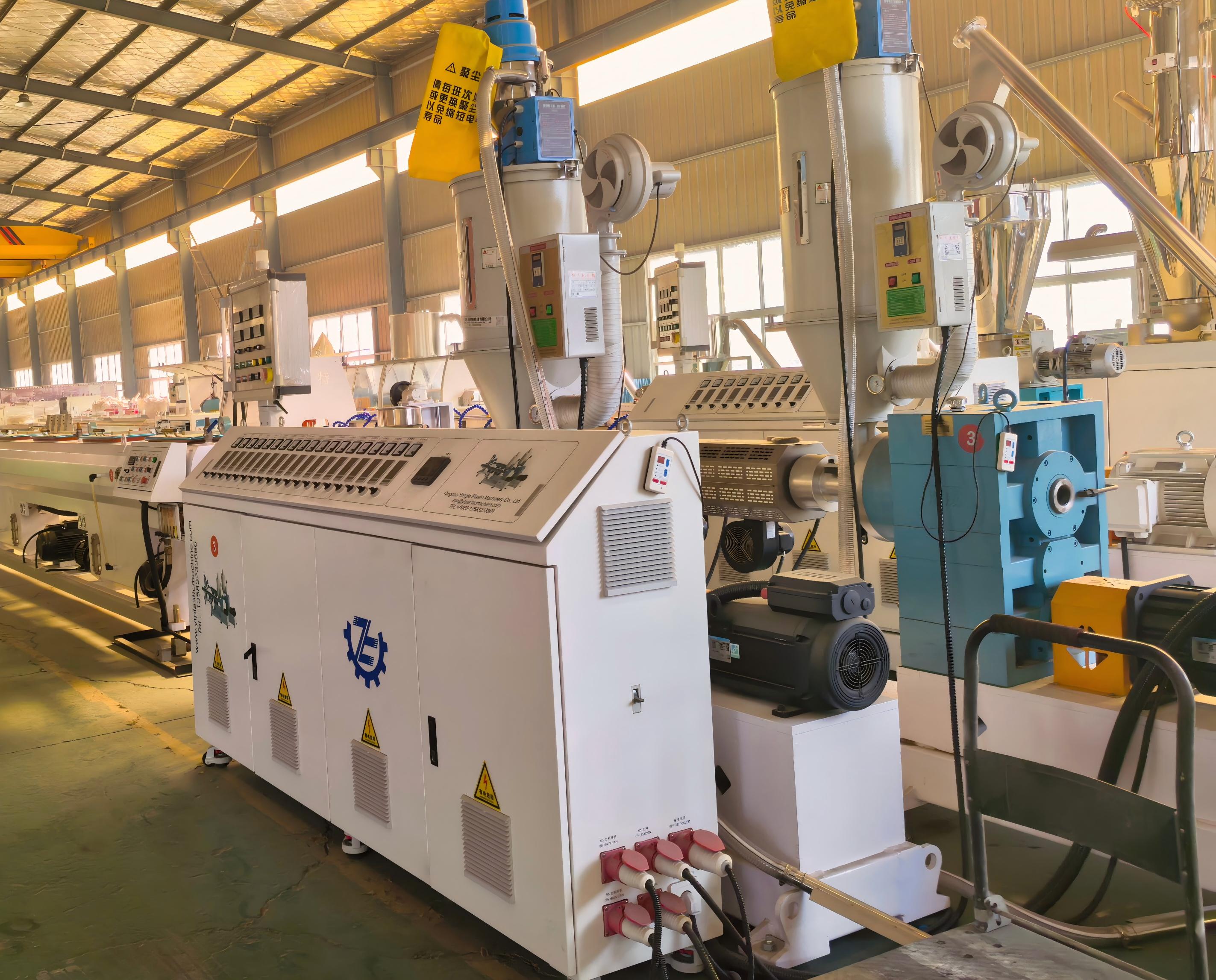
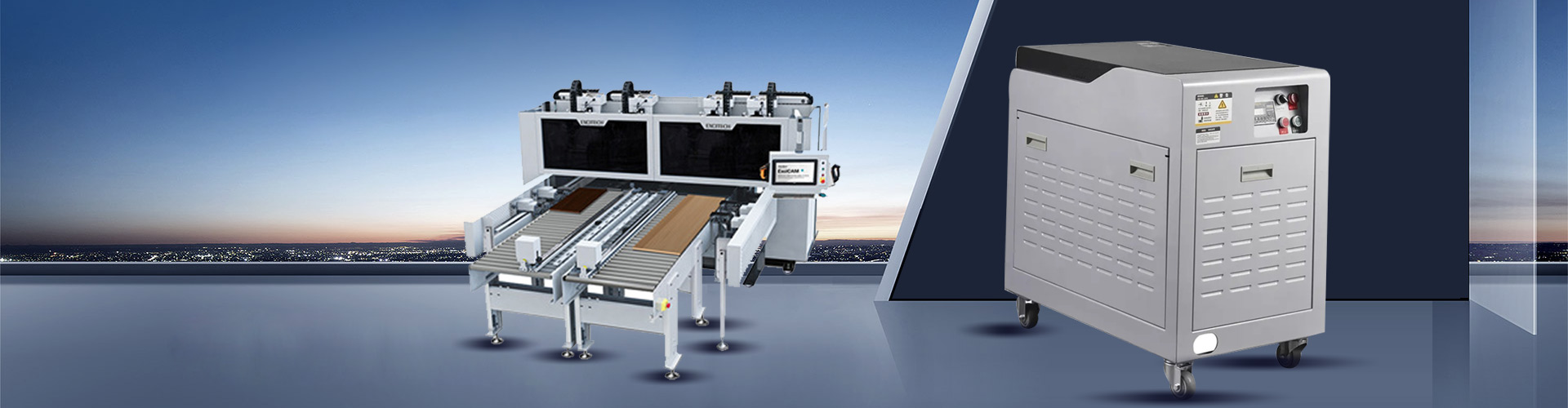
Leading WPC Decking Machine Supplier: Advanced Manufacturing Solutions
2026-03-31
In the rapidly evolving world of composite materials, WPC (wood-plastic composite) decking has emerged as a durable, eco-friendly alternative to traditional wood. Finding the right machinery to produce high-quality WPC decking efficiently can be a challenge for manufacturers looking to scale up or innovate. This is where advanced manufacturing solutions make all the difference. At Yongte, we specialize in engineering cutting-edge WPC decking machines designed to optimize production, enhance product quality, and drive sustainability. In this blog, we'll explore how our technology transforms raw materials into premium decking solutions, helping you stay ahead in a competitive market. Join us as we delve into the innovations that set Yongte apart as a leading supplier in the industry.
Innovative Techniques in WPC Decking Production
Recent advancements in wood-plastic composite (WPC) decking production have transformed the industry, with manufacturers increasingly adopting eco-friendly methods. For instance, some companies now utilize recycled plastic materials like discarded bottles and bags, reducing landfill waste while maintaining durability. This shift not only conserves resources but also appeals to environmentally conscious consumers, making WPC decks a greener choice for outdoor spaces.
Another cutting-edge technique involves the integration of advanced additives and stabilizers during the extrusion process. These components enhance weather resistance, preventing fading, warping, and moisture damage even in harsh climates. By fine-tuning the polymer-to-wood ratio and incorporating UV inhibitors, producers achieve decks that retain their appearance and structural integrity for years, offering long-term value without constant maintenance hassles.
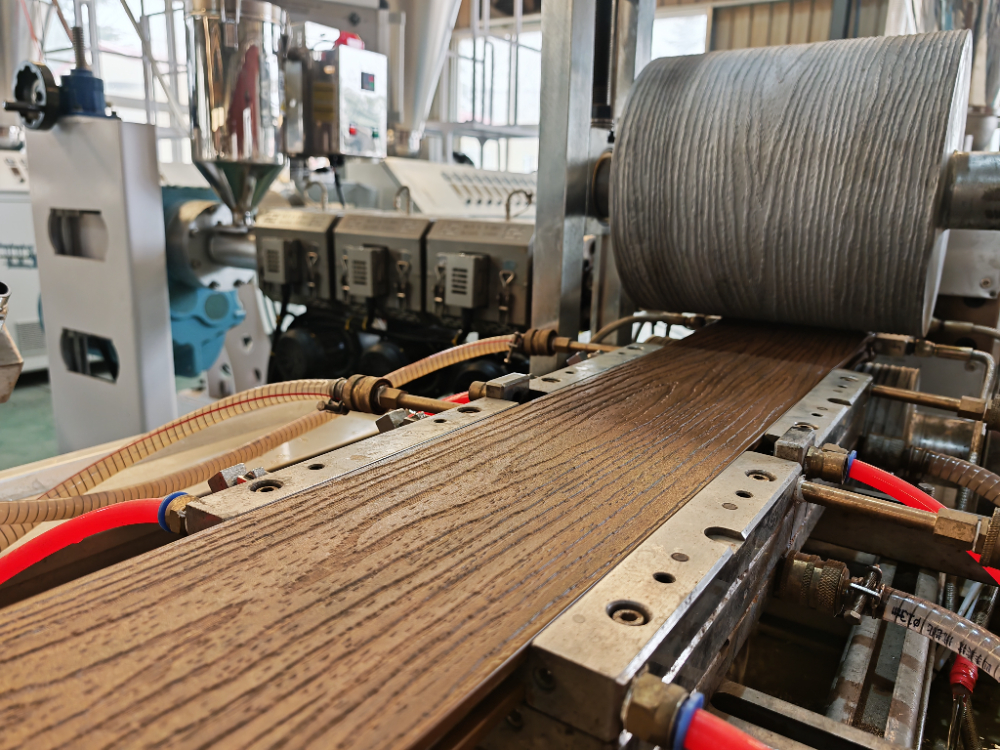
Innovations also extend to manufacturing efficiency, such as using high-precision molding systems that create realistic wood grain textures and varied color options. This allows for highly customized designs, mimicking exotic hardwoods or modern finishes, while keeping costs competitive. Such techniques empower homeowners to personalize their outdoor areas with unique, stylish decking solutions that stand out from traditional options.
Customized Solutions for Diverse Decking Needs
Every outdoor space tells a unique story, and when it comes to decking, one-size-fits-all approaches often fall short. Whether you're envisioning a cozy backyard retreat for family gatherings, a sleek modern platform for entertaining guests, or a durable surface for commercial settings with high foot traffic, our tailored solutions are designed to bring your specific vision to life. From selecting materials like tropical hardwoods or composite that withstand local weather conditions to incorporating custom dimensions and layouts, we focus on personalizing every detail to match your lifestyle and functional requirements.
What sets our approach apart is the collaborative journey we embark on with each client. Instead of offering standard packages, we start by listening—understanding how you plan to use your deck, your aesthetic preferences, and any challenges like sloped terrain or limited space. This allows us to craft innovative designs that not only enhance the beauty of your property but also address practical needs, such as built-in seating, multi-level structures, or integrated lighting. By blending creativity with technical expertise, we ensure your deck becomes a seamless extension of your home, reflecting your personality while maximizing usability.
Beyond aesthetics and functionality, our commitment to quality and sustainability ensures your deck stands the test of time. We source materials responsibly and employ skilled craftsmen who pay attention to the finer details, like proper drainage and long-lasting finishes. Whether it's a small residential project or a large-scale commercial installation, our customized solutions prioritize durability and low maintenance, so you can enjoy your outdoor oasis for years without unexpected hassles. Let's transform your decking ideas into a reality that's as distinct as you are.
Sustainable Materials in Modern Deck Manufacturing
These days, deck manufacturers are increasingly shifting focus from purely aesthetic or traditional timber options to materials that emphasize long-term environmental stewardship. A variety of innovative choices, such as composite decking made from a blend of recycled plastics and wood fibers, and thermally modified woods that enhance durability without harsh chemicals, are leading this green transformation. These materials are engineered to withstand harsh weather conditions, resist rotting and insect damage, and require minimal maintenance, which reduces resource consumption over the deck's lifespan.
Beyond composites, reclaimed hardwoods like teak or ipe sourced from certified sustainable forests are gaining traction for their natural beauty and low environmental impact. Cutting-edge alternatives include recycled aluminum decking, which is lightweight, highly durable, and fully recyclable at the end of its use, and bamboo, a rapidly renewable resource that offers strength comparable to hardwoods. These materials not only help divert waste from landfills but also lower carbon footprints by reducing the need for virgin resources and energy-intensive production processes.
This shift towards sustainability isn't just a trend; it aligns with broader consumer demands for eco-friendly home improvements and stricter regulatory standards. By incorporating sustainable materials, modern deck manufacturing promotes healthier outdoor spaces, supports circular economy principles, and ensures that decks contribute positively to both residential aesthetics and environmental conservation. As technology advances, we can expect even more innovative, low-impact materials to emerge, further revolutionizing how we build and enjoy our outdoor living areas.
Enhancing Durability with Advanced Machine Technology
Advanced machine technology plays a pivotal role in boosting durability across various industries by integrating precision engineering and robust materials. For example, CNC machining enables the creation of components with tighter tolerances, which reduces wear and tear under operational stress. This leads to longer-lasting products that require less maintenance, ultimately saving costs and improving reliability in sectors like automotive and aerospace.
Innovations such as additive manufacturing and robotics further enhance durability by allowing for complex, lightweight designs that withstand harsh environments. By utilizing these technologies, manufacturers can produce parts with superior resistance to corrosion and fatigue, ensuring that equipment performs consistently over time without frequent breakdowns.
Moreover, the integration of smart sensors and IoT connectivity in advanced machines facilitates real-time monitoring and predictive maintenance. This proactive approach helps identify potential issues before they escalate, thereby extending the lifespan of machinery and reinforcing durability through data-driven insights and adaptive control systems.
Streamlining Operations for Faster Deck Installation
To accelerate deck installation, focusing on efficient material handling and precise layout planning can make a significant difference. By pre-cutting components off-site and organizing them in a logical sequence, crews can minimize on-site adjustments and reduce downtime. This approach not only speeds up the assembly process but also enhances safety by limiting clutter and potential hazards.
Another key strategy involves leveraging modular construction techniques, where sections of the deck are prefabricated and delivered ready for quick assembly. This method cuts down on weather-related delays and allows for tighter schedules, ensuring projects stay on track even under tight deadlines. It's a game-changer for contractors aiming to boost productivity without compromising quality.
Additionally, investing in specialized tools and training for installation teams can streamline operations further. Equipping workers with advanced fastening systems and providing hands-on workshops on best practices leads to faster, more accurate installations. This proactive investment pays off by reducing rework and fostering a culture of innovation on the job site.
Focusing on Quality Control Throughout the Manufacturing Process
Adopting robust quality control measures in manufacturing isn't just a final check – it's a continuous commitment woven into every stage. By starting with stringent raw material inspections and implementing real-time monitoring during production, companies can catch potential issues early, reducing waste and ensuring consistency. This proactive approach transforms quality control from a reactive hurdle into a strategic asset, fostering trust and efficiency across the entire supply chain.
Integrating advanced technologies like IoT sensors and AI-driven analytics allows for unparalleled precision in tracking product integrity. These tools enable manufacturers to monitor variables such as temperature, pressure, and assembly alignment in real-time, making adjustments on the fly. The result? A seamless workflow where quality is not merely inspected but actively built into each component, leading to fewer defects and enhanced customer satisfaction.
Beyond technical tools, a culture of quality ownership among employees is crucial. Training teams to identify and address deviations empowers them to take initiative, turning every worker into a quality guardian. This human-centered strategy, combined with data-driven insights, creates a resilient manufacturing environment where excellence is the norm, not an afterthought.
FAQ
A leading supplier stands out by offering advanced manufacturing solutions that prioritize innovation, reliability, and efficiency. They typically invest in cutting-edge technology, provide comprehensive after-sales support, and tailor machines to specific customer needs, ensuring high-quality output and reduced operational costs. This focus on customization and performance helps them build long-term partnerships with clients.
Advanced manufacturing solutions streamline the production process by integrating automation, precision engineering, and energy-efficient systems. This results in consistent product quality, faster production speeds, and lower material waste. For example, features like real-time monitoring and automated controls allow for adjustments on the fly, optimizing output and meeting diverse market demands effectively.
Buyers should prioritize machines with robust construction, high-output capabilities, and versatile design options. Key features include customizable extrusion systems, energy-saving components, user-friendly interfaces, and reliable cooling mechanisms. Additionally, look for suppliers who offer training and maintenance services to ensure smooth operation and minimal downtime, which is crucial for maximizing productivity.
Yes, top-tier WPC decking machines are designed to be versatile and can process a wide range of wood-plastic composite materials, including those with varying ratios of wood fibers and plastics. They often come with adjustable settings for temperature, pressure, and speed, allowing operators to fine-tune the process for different formulations, ensuring consistent results regardless of material variations.
Common challenges include material inconsistency, high energy consumption, and production inefficiencies. Advanced machines address these by incorporating precise extrusion controls, energy-efficient motors, and automated quality checks. For instance, they use integrated sensors to detect defects early, reducing scrap rates and ensuring that the final decking products meet stringent durability and aesthetic standards.
Investing in a high-quality machine boosts profitability by enhancing production efficiency, reducing maintenance costs, and improving product quality. It leads to lower operational expenses through energy savings and fewer breakdowns, while also enabling faster turnaround times to meet customer demands. Over time, this results in increased market competitiveness and higher returns on investment, making it a strategic move for sustainable growth.
Conclusion
As a premier supplier of WPC decking machinery, this manufacturer distinguishes itself through a holistic approach to advanced manufacturing solutions. The company integrates innovative techniques in production, such as precision extrusion and automated forming processes, which not only enhance product consistency but also enable customized solutions tailored to diverse client needs—from residential patios to commercial boardwalks. Moreover, a strong emphasis on sustainable materials, including recycled wood-plastic composites, aligns with eco-friendly trends in modern deck manufacturing, reducing environmental impact while maintaining aesthetic appeal. This commitment to sustainability is complemented by advanced machine technology that boosts durability, ensuring decks withstand harsh weather conditions and heavy use over time.
Beyond product quality, the supplier focuses on operational efficiency by streamlining processes for faster deck installation, reducing on-site labor and project timelines. This is supported by rigorous quality control measures throughout the manufacturing process, from raw material inspection to final product testing, guaranteeing reliability and customer satisfaction. By blending these elements—innovation, customization, sustainability, durability, speed, and quality—the company offers a comprehensive package that sets it apart in the competitive WPC decking market, delivering solutions that are both technologically advanced and practically effective for diverse applications.
Contact Us
Contact Person: Ms Qin
Email: [email protected]
Tel/WhatsApp: 8613583233866
Website: https://www.yongteplast.com