LED Signal Light Bulb Supplier Vetting Checklist for Safer Roads
2026-08-17
Road safety doesn't start at the crosswalk—it starts in the procurement room. Choosing a LED signal light supplier is one of those quiet decisions that either prevents accidents or invites them. This checklist cuts through vendor claims and helps you ask the hard questions. LUXFIGHTER knows what's at stake, and we've distilled that experience into a practical tool.
Mapping the Supplier's Production Footprint Before You Sample
Walking the floor before you ask for samples tells you things a brochure never will. Look at how raw materials enter, where they sit, and how they move through cutting, sewing, assembly, or finishing. A cramped receiving area or a backlog of half-finished goods at one station usually means the supplier is already overpromising elsewhere. Watch the pace of the line and ask which steps are done in-house versus sent out. If a critical operation happens off-site, your sample may not reflect the factory's actual control.
Equipment condition and placement matter just as much as the machine list. Check whether maintenance logs are current, whether operators have enough room to work without double-handling, and whether quality checks are built into the process or done only at the end. A factory that inspects only finished pieces will struggle to catch repeat defects early, which means your sample might pass while bulk production drifts.
Finally, map the supplier's capacity against your expected order size. Count the stations, note the shift patterns, and ask how many other clients are running at the same time. If the sample requires tooling or materials the factory doesn't normally stock, find out where those come from and how long replenishment takes. That knowledge lets you judge whether the sample is a realistic preview or a one-off favor that will disappear when the real order hits.
Photometric Benchmarks That Expose Underperforming Bulbs
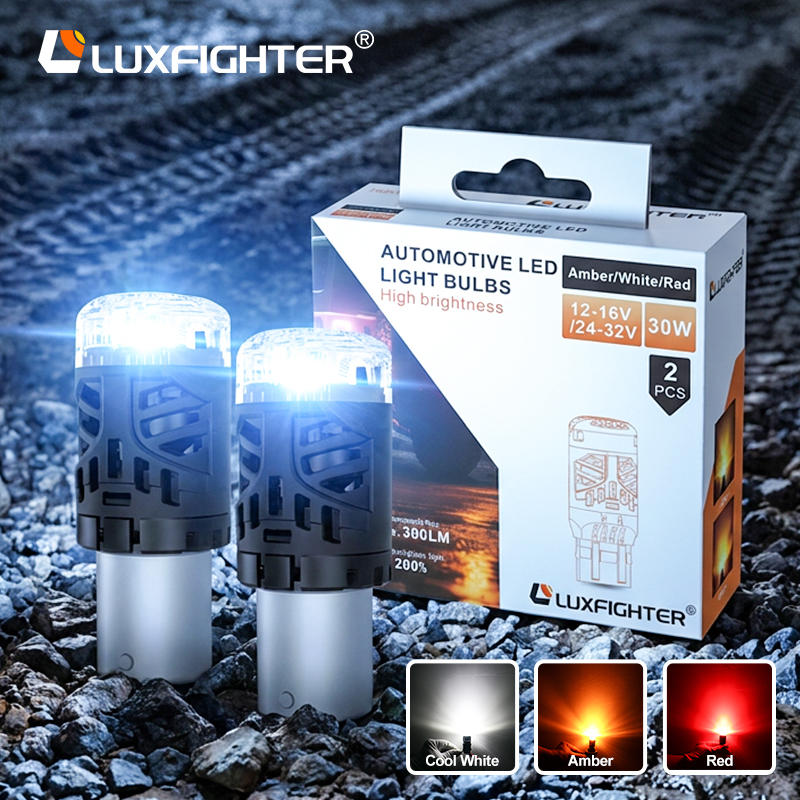
Most bulb specs look impressive on paper, but real-world light output tells a different story. Standardized photometric tests—like integrating sphere measurements for total luminous flux, goniophotometer scans for beam angle consistency, and flicker percentage under dimmed conditions—quickly separate honest performers from inflated claims. A bulb might advertise 800 lumens, yet deliver only 620 once thermal stabilization kicks in after thirty minutes. That gap isn't a rounding error; it's a design flaw.
Color stability is another silent benchmark. Low-quality LEDs often shift visibly in correlated color temperature (CCT) across a single batch, ranging from warm 2700K to a sickly 4000K. High-frequency sampling during the first hour of operation exposes this drift long before the human eye consciously notices. Similarly, the color rendering index (CRI) can be gamed by tuning a few reference colors while leaving deep reds and cyans muddy. Independent labs now use TM-30 metrics to catch those tricks.
Dimming performance remains the harshest test. Many bulbs flicker or buzz below 20% brightness, while premium units hold a steady, flat light curve down to 1%. If a photometric report skips low-end dimming data or only measures at full blast, treat that silence as a confession. Underperforming bulbs fear the dimmer switch more than any other benchmark.
Road-Vibration and Weather Stress Tests Worth Demanding
Most buyers kick the tires and call it a day, but real confidence comes from putting a vehicle through the kind of abuse that separates honest engineering from clever marketing. Road-vibration testing isn't just about driving over a bumpy patch — it's about sustained exposure to frequencies that shake loose weak welds, reveal poorly damped components, and expose interior rattles that would drive you mad by the third month of ownership. Insist on a test that includes coarse-chip pavement, expansion joints, and washboard gravel at varying speeds, not a quick loop around smooth asphalt.
Weather stress is equally revealing, and I don't mean a light sprinkle. A proper evaluation should involve thermal cycling — hot soak in direct sun, then a cold-soak overnight if possible — followed by a high-pressure underbody wash and a drive through standing water. Watch for fogging inside lamp housings, water ingress at door seals, and any hesitation in electronics after the soak. These are the failures that show up two years later as corrosion or intermittent gremlins, long after the warranty handshake is forgotten.
If a manufacturer or dealer won't let you conduct these tests, ask why. Some will offer a short test drive on a predetermined route that conveniently avoids rough roads and wet conditions. That's not confidence; that's curation. A vehicle worth your money should handle a weekend of dirt roads and a sudden downpour without turning into a symphony of squeaks or a dashboard light show.
Decoding Certifications That Actually Matter for Signal Lights
When you're staring at a wall of signal light options, the certification labels can feel like alphabet soup. But not all stamps are created equal. The ones that genuinely matter are those tied to specific performance and safety standards in your region—think UL, ECE, or SAE. These aren't just decorative badges; they indicate a light has been tested for things like vibration resistance, waterproofing, and photometric output. A light without a recognized certification might look identical on the outside, but it could fail when you need it most, whether that's in heavy rain, extreme cold, or after a rough ride.
Here's the part most buyers miss: a certification is only as useful as the test conditions behind it. For example, an SAE-compliant light for highway use has different requirements than one meant for agricultural equipment. So before you trust a label, ask what standard it actually meets and whether that standard aligns with your real-world conditions. A cheap light with a generic 'CE' mark might not hold up on a truck that sees daily gravel roads, while a pricier model with ECE R65 approval has proven its worth in dense fog and oncoming traffic scenarios.
The smart approach is to treat certifications as a starting point, not the final word. Cross-reference the certification with user reports from your specific industry—fleet managers, off-road enthusiasts, or marine operators. That combination of formal testing and real-world feedback will tell you far more than any single logo. And don't overlook the fine print: some certifications only cover the light's housing, not the lens or wiring harness, which are often the first points of failure.
Chain-of-Custody Questions for Raw LED Components
When procurement teams dig into raw LED components, the first set of chain-of-custody questions usually targets lot-level traceability from wafer fabrication through die sorting. They want to see whether every incoming reel can be mapped back to a specific wafer lot, which subcontractor handled singulation or testing, and whether any excess inventory or reclaim material has been reintroduced without clear labeling. A missing handoff record or a batch number that doesn't line up with shipping dates is often the first clue that off-spec or gray-market die has entered the stream.
Suppliers also get pressed on the sourcing of raw materials like gallium, indium, and sapphire substrates. Auditors ask for custody logs that tie inbound raw material batches to outbound finished LED reels, and they cross-check those logs against smelter or mine disclosures, packaging slips, and quality management records. If a supplier cannot produce a clean, unbroken chain for the substrate or epitaxy layers, the conversation quickly shifts to whether unauthorized brokers or unapproved subcontractors were involved.
Beyond paperwork, the questions cover physical control: who has access to die banks, how customer-specific lots are segregated, and what happens to material that fails incoming inspection. Clear answers on these points matter because a lighting manufacturer cannot certify that the LEDs inside a final product are exactly the ones specified, tested, and covered by environmental compliance data without knowing the full custody path.
Warranty and Failure Response: The Real Supplier Test
Most procurement teams treat warranty clauses as boilerplate until a production line stops dead. The real test isn't the length of the warranty document but what happens in the first 48 hours after a defect is reported. A supplier that ships a replacement part before asking for a purchase order number has already told you more about their logistics and financial health than any quality certificate.
Failure response separates vendors who manage risk from those who simply transfer it. Watch how they handle ambiguity: do they assign a single engineer to your case, or do you get bounced between departments? The strongest suppliers keep a small reserve stock of common failure items and can pull a root-cause report without blaming your operating conditions. That willingness to absorb short-term cost for a long-term relationship is rare and worth paying for.
Finally, test them before you need them. Introduce a minor, non-critical failure early in the relationship and track the response loop: acknowledgement time, diagnostic quality, corrective action, and follow-up. If the corrective action plan includes a permanent design change rather than a one-off waiver, you're working with a partner, not just a seller.
FAQ
Start by confirming that the supplier has produced bulbs for traffic control before—ask for installation references from other city or state transportation departments, not just product brochures.
Look for compliance with ITE (Institute of Transportation Engineers) specifications, plus ETL or UL listing for electrical safety, and a photometric test report that matches the exact bulb model you are evaluating.
Request the supplier's photometric data file (IES file) and check the candela readings on axis; for a 12-inch signal, typical main beam intensity should be well above minimum ITE values at all required angles.
Ask about junction temperature under continuous operation, heat sinking material and surface area, and whether the driver electronics are separated from the LED board to avoid premature failure from heat soak.
Roadside signal heads face rain, dust, and temperature swings. A bulb rated IP65 or higher keeps moisture and debris out of internal connections, which directly reduces sudden dark-signal failures.
Ask for field failure rate data from at least three installations that have been running for 24+ months, and require a written warranty that covers lumen depreciation below 70% for a specified period.
Find out if they maintain safety stock of critical components, whether LED bins and drivers are locked to the approved model, and if they provide a change notification before altering any part that affects optical or thermal performance.
Conclusion
Before you even request a sample, walk the supplier’s production floor, not just their showroom. Look at how lines are laid out, how many shifts run, and whether they can actually replicate the exact bulb you need under real volume. A photometric bench test will quickly separate honest lumen output from wishful thinking, but only if you specify the same lens geometry and ambient temperature your signals will face. Don’t settle for a datasheet curve that was generated in a cool lab; ask for goniophotometer data at multiple angles and heat soak conditions. Then push the bulb through a vibration profile that mirrors bridge joints and truck rumble strips, followed by thermal cycling from freeze to desert heat and a salt spray week. If the supplier hesitates on any of these, move on before you waste a pilot order.
Certifications are only useful when they match the regulatory body that inspects your roads. A CE mark alone means little for North American signal heads, just as an ECE approval won’t satisfy state DOT engineers. Ask how the raw LED die and phosphor are traced from wafer lot to finished bulb, because one unapproved substitution can shift color temperature enough to fail a signal chromaticity box. The warranty clause should read less like marketing and more like an operations memo: what happens at hour 10,000 when a few diodes dim, and how fast a replacement batch lands without holding your intersection dark. A supplier who answers with a named engineer instead of a sales script is the one worth keeping.
Contact Us
Contact Person: Gavin Chen
Email: [email protected]
Tel/WhatsApp: (+86)756-6831079
Website: https://www.luxfighter.com/