

Maximizing Efficiency: The Top Bulk Leveling Casters for Your Company's Needs
2026-02-03
In the fast-paced world of industrial operations, every second and every movement counts. When it comes to optimizing workflow and ensuring seamless material handling, the right equipment can make all the difference. In this blog, 'Maximizing Efficiency: The Top Bulk Leveling Casters for Your Company's Needs,' we delve into the essential tools that can transform your business's productivity. At CMCL, we understand the challenges faced by companies in today's competitive landscape, and we're here to guide you through the best solutions available. Whether you're managing heavy loads in a warehouse or navigating uneven surfaces in a manufacturing plant, our curated list of top-performing leveling casters will help you make informed decisions. Stay tuned as we explore innovative features, durability, and cost-effectiveness—all designed to keep your operations running smoothly. Ready to elevate your efficiency? Let's dive in!
Introduction to Bulk Leveling Casters for Industrial Efficiency
Bulk leveling casters are a game-changer in industrial settings, streamlining the movement of heavy loads across uneven surfaces with ease. Unlike standard casters that might wobble or get stuck on minor floor irregularities, these robust wheels are engineered with self-leveling mechanisms to maintain stability and smooth traversal. By adapting to floor imperfections, they significantly reduce the risk of equipment damage and worker strain, making them indispensable for warehouses, manufacturing plants, and logistics operations where efficiency is key.
What sets bulk leveling casters apart is their practical design, which often includes features like adjustable heights or built-in suspension systems. This allows them to handle sudden changes in terrain, such as gaps between factory sections or worn-out concrete slabs, without requiring constant manual adjustments. Workers can focus on tasks rather than wrestling with unstable carts, leading to faster throughput and fewer delays. In industries where downtime translates directly to lost revenue, the reliability of these casters translates into tangible cost savings and enhanced productivity.
Moreover, their application extends beyond just mobility—they contribute to overall workplace safety by preventing accidents caused by tipping or uneven loads. As industries increasingly prioritize ergonomic solutions, bulk leveling casters offer a smart investment for optimizing material handling processes and boosting industrial efficiency in demanding environments.
Key Features to Evaluate When Choosing Leveling Casters
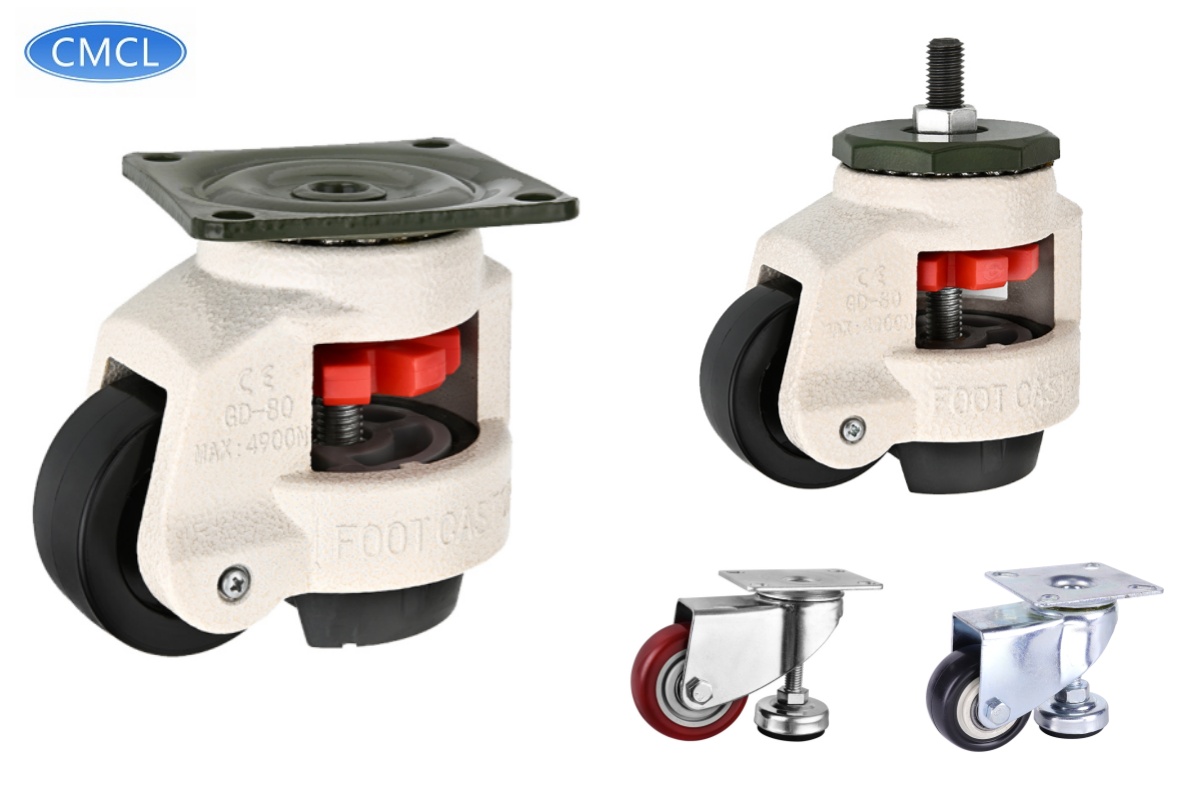
When you're picking out leveling casters, it's easy to get overwhelmed by technical specs, but focusing on a few key aspects can make or break your setup. Start by checking the load capacity—this tells you how much weight each caster can handle, and it's crucial to factor in not just the equipment's weight but also any extra stress from movement or uneven surfaces. Don't just go for the maximum number; consider if you need casters that can swivel smoothly for tight corners or if fixed ones will do for straightforward paths. Material choice matters, too: for rough, outdoor use, polyurethane wheels might outlast rubber, while in labs or cleanrooms, non-marking options prevent scratches and debris.
Beyond the basics, look at the leveling mechanism itself—some casters offer simple manual adjustments with a knob or lever, perfect for quick tweaks, while others have more advanced features like thread-locking to keep settings secure under vibration. If you're dealing with sensitive equipment or uneven floors, consider casters with built-in shock absorption or those designed to compensate for minor slopes, which can reduce wear and tear over time. It's also wise to test how easily they adjust; a caster that's a hassle to fine-tune can slow down operations, so aim for ones that balance ease of use with stability.
Finally, think about the environment where these casters will live. In humid or corrosive settings, stainless steel or coated components resist rust better than standard metals, while high-temperature areas might need heat-resistant materials. Don't forget about noise—some models include rubber dampeners to cut down on clatter, which is a boon in quiet workspaces. By weighing these factors against your specific needs, you'll end up with casters that not only support your equipment but also enhance its functionality and longevity without breaking the bank.
Top Material Options for Durable and Reliable Casters
Choosing the right material for your casters is crucial to ensure they can withstand daily wear and tear without breaking down. While many options exist, a few standout materials have proven their mettle in demanding environments. For heavy-duty applications, stainless steel casters are a top choice due to their exceptional strength and resistance to corrosion, making them ideal for industries like food processing or healthcare where hygiene and durability are paramount. Alternatively, polyurethane wheels offer a perfect blend of toughness and quiet operation, often outperforming rubber in terms of load capacity and longevity, especially on rough surfaces.
If you're looking for casters that can handle high temperatures or harsh chemicals, consider materials like phenolic or thermoplastic rubber. These options are not only resilient but also provide excellent shock absorption, reducing vibration and noise in settings like manufacturing plants or warehouses. For outdoor use, casters made from nylon or polyolefin are worth exploring, as they resist moisture, UV rays, and extreme weather conditions, ensuring reliable performance over time without degrading.
By focusing on materials that align with your specific needs, you can enhance the durability and reliability of your casters significantly. It's not just about picking the strongest option; it's about matching the material to the environment to maximize lifespan and efficiency, ultimately saving on replacement costs and downtime.
Installation Tips and Best Practices for Optimal Performance
Before diving into installation, it's essential to check your system’s hardware specifications and software compatibility. Start by reviewing the product documentation to verify prerequisites such as operating system versions, available disk space, and needed dependencies. A well-prepared environment avoids common pitfalls, like insufficient resources or conflicting applications, which can hinder performance from the get-go.
Follow a methodical installation process, step by step, without rushing. For instance, if using a command-line installer, run tests after each major stage to catch errors early. Consider custom configurations if they align with your usage—say, enabling specific features or setting optimal parameters—but stick to defaults if you're unsure. This careful approach ensures stability and can significantly boost efficiency and reliability in the long run.
Post-installation, fine-tune settings based on real-world testing. Monitor performance metrics and adjust things like cache sizes or network settings as needed. Keep the software updated with patches, and maintain proper documentation of your setup for future troubleshooting. Regular checks help sustain peak performance and prevent gradual degradation.
Real-World Applications and Case Studies in Various Industries
From healthcare to finance, industries are leveraging technology to solve real-world problems with tangible results. In healthcare, for example, AI-powered diagnostic tools have significantly improved early detection rates for diseases like cancer, while in finance, blockchain applications are revolutionizing transaction security and efficiency, with case studies showing reduced fraud and faster settlements. These examples highlight how cutting-edge innovations directly impact daily operations and outcomes across diverse sectors, moving beyond theoretical concepts to deliver measurable benefits.
Beyond traditional fields, agriculture has seen transformative changes through IoT and data analytics, enabling precision farming that boosts yields and conserves resources; a notable case study involves a farm in California using sensor networks to optimize water usage, resulting in a 20% reduction in waste. Similarly, in the retail industry, personalized marketing algorithms based on customer behavior have increased sales engagement by adapting promotions in real-time, as demonstrated by a major e-commerce platform's success in tailoring recommendations to individual shoppers. These practical implementations underscore how tailored solutions can drive sector-specific advancements, making technology an indispensable tool for modern challenges.
In the energy sector, smart grid technologies have enabled more reliable and sustainable power distribution, with case studies from European cities showcasing reduced outages and enhanced integration of renewable sources. Meanwhile, in education, adaptive learning platforms have personalized instruction based on student performance, improving outcomes in underserved communities through scalable digital tools. These varied applications illustrate the versatility of modern solutions, proving that when thoughtfully applied, they can address niche industry needs while fostering innovation and resilience in an ever-evolving global landscape.
Maintenance and Long-Term Cost Savings Strategies
Implementing a proactive maintenance approach can significantly reduce unexpected downtime and repair expenses over the years. By scheduling routine checks and utilizing predictive analytics, businesses can address minor issues before they escalate into costly failures, ensuring smoother operations and preserving asset value. This strategy not only lowers direct maintenance costs but also extends the lifespan of equipment, translating into substantial savings.
Adopting energy-efficient technologies and practices is another key avenue for cutting long-term expenditures. Upgrading to modern, low-energy systems or incorporating renewable sources can drastically reduce utility bills and environmental impact. While the initial investment might be higher, the cumulative savings from reduced energy consumption often offset these costs within a few years, making it a financially savvy move.
Training staff in proper equipment use and basic troubleshooting can further enhance cost efficiency. Empowered employees are more likely to identify potential problems early and perform simple maintenance tasks, reducing reliance on external service providers. This fosters a culture of responsibility and continuous improvement, leading to fewer repairs and lower overall operational expenses over time.
FAQ
Bulk leveling casters are heavy-duty wheels designed for distributing weight evenly across surfaces, commonly used in industrial settings to improve mobility and stability for equipment; they are crucial for businesses as they enhance safety by preventing tilting or damage to loads, reduce manual effort in moving bulky items, and can lead to cost savings by minimizing wear and tear on floors and products.
To select the appropriate bulk leveling casters, consider factors such as load capacity requirements (e.g., total weight per caster), floor conditions (smooth vs. rough surfaces), material composition (e.g., polyurethane for durability or rubber for shock absorption), and any special features like swivel capabilities for maneuverability; it's best to consult product specifications or a supplier to match caster specifications with your operational needs.
Bulk leveling casters offer several advantages over standard casters: they provide better weight distribution to handle heavier loads without sagging, improve stability on uneven surfaces to prevent accidents, often have enhanced durability for industrial use, and can be customized for specific environments like warehouses or manufacturing floors, leading to increased efficiency and reduced maintenance costs.
Common challenges include ensuring proper installation to avoid misalignment, selecting casters that match the exact load and floor type to prevent premature wear, and managing costs for bulk purchases; to address these, businesses should conduct thorough assessments of their needs, seek expert advice if necessary, and consider investing in high-quality casters that offer long-term reliability, even if initial costs are higher.
Yes, bulk leveling casters can be adapted for use in sectors like healthcare for moving heavy medical equipment, retail for stocking shelves, or even in offices for large furniture; adaptations might include using softer materials to protect delicate floors, adding locking mechanisms for safety in crowded areas, or choosing designs that blend aesthetically with non-industrial decor.
To extend the lifespan of bulk leveling casters, regularly inspect for signs of wear such as cracks or loose parts, clean them to remove debris that can cause friction, lubricate moving components if recommended by the manufacturer, and ensure they are not overloaded beyond their rated capacity; implementing a routine maintenance schedule can help prevent breakdowns and maintain optimal performance.
Conclusion
Bulk leveling casters are essential for enhancing industrial efficiency by providing stability and mobility for heavy equipment. This article explores key aspects to consider when selecting these casters, starting with an introduction to their role in streamlining operations. By focusing on features like load capacity and ease of adjustment, companies can optimize performance. The discussion covers durable material options and best practices for installation, ensuring long-term reliability across various applications.
Real-world examples from different industries demonstrate how bulk leveling casters improve workflow and reduce downtime. Case studies highlight their adaptability in demanding environments, while maintenance tips and cost-saving strategies emphasize the importance of regular upkeep. Implementing these considerations helps businesses maximize efficiency, making bulk leveling casters a smart investment for meeting specific operational needs and boosting overall productivity.
Contact Us
Contact Person: Ruby
Email: [email protected]
Tel/WhatsApp: +86 13360379367
Website: https://www.cmcl-casters.com