
Monochrome LCD Display Solutions: Enhancing Your Visual Experience with Cutting-Edge Technology
2026-03-25
In a world dominated by vibrant color screens, have you ever stopped to consider the understated elegance and practical brilliance of monochrome LCD displays? At Jingda-Display, we specialize in crafting display solutions that not only meet but exceed expectations, blending cutting-edge technology with timeless design. This blog delves into how our innovative monochrome LCDs enhance visual experiences—whether in industrial applications, medical devices, or consumer electronics—by offering unparalleled clarity, reliability, and efficiency. Join us as we explore the transformative power of monochrome displays and uncover why they remain a cornerstone of modern visual technology. Get ready to rethink what 'simple' can achieve in a complex digital landscape!
Optimizing Monochrome LCD Contrast for Maximum Clarity
When fine-tuning a monochrome LCD display, achieving the right contrast isn't just about making blacks darker and whites brighter—it's a delicate balance that directly impacts readability and user comfort. Many users overlook that overly high contrast can strain the eyes in low-light conditions, while too little can blur details in bright environments. By adjusting the backlight intensity and voltage settings carefully, you can enhance clarity without sacrificing the long-term usability of the display, ensuring text and graphics remain crisp across varied lighting scenarios.
One often-missed aspect is the interplay between pixel response time and contrast settings. Slower response times can cause ghosting or smearing, which subtly reduces perceived contrast. To counteract this, consider calibrating the timing sequences alongside contrast adjustments, especially for applications involving fast-moving content. This holistic approach not only boosts clarity but also maintains a consistent visual experience, making the display more reliable for critical tasks like medical instrumentation or industrial controls.
Beyond technical tweaks, the physical environment where the LCD is used plays a pivotal role. Ambient light reflections can wash out contrast, so pairing optimization with anti-reflective coatings or proper positioning can yield significant gains. Testing with real-world samples—like varying text sizes and images—helps fine-tune settings to maximize legibility, turning a basic adjustment into a tailored solution that stands out for its practical effectiveness in everyday use.
Energy-Efficient Display Solutions That Extend Battery Life
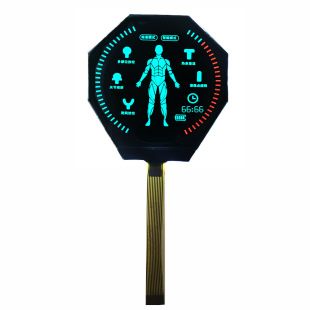
Energy-efficient display solutions are essential for devices like smartphones and laptops, helping to conserve battery power without sacrificing visual quality. By optimizing brightness and contrast settings, these displays can significantly reduce energy consumption, allowing users to enjoy extended usage times on a single charge. For example, adaptive brightness features adjust the screen based on ambient light, minimizing unnecessary power drain.
Innovative technologies such as OLED and mini-LED panels contribute to efficiency by only lighting up individual pixels or zones, unlike traditional backlit screens that consume more energy. This not only enhances battery life but also improves color accuracy and viewing angles, making devices more versatile for both work and entertainment on the go.
Beyond hardware advancements, software optimizations play a crucial role in extending battery longevity. Features like dark mode reduce power usage on OLED screens, while smart refresh rate adjustments tailor display performance to the task at hand, whether it's scrolling through web pages or watching videos. By integrating these solutions, manufacturers can deliver devices that last longer and perform better in real-world scenarios.
High-Durability Design for Rugged Industrial Environments
In the demanding world of industrial settings, where machinery faces extreme temperatures, harsh chemicals, and constant physical stress, a high-durability design isn't just an option—it's a necessity. This approach involves selecting robust materials like corrosion-resistant alloys and reinforced composites, coupled with advanced engineering techniques such as vibration damping and impact absorption. By prioritizing longevity and reliability, these designs ensure that equipment can withstand the rigors of heavy use, minimizing downtime and maintenance costs in environments like manufacturing plants, construction sites, and offshore facilities.
What sets exceptional durability apart is a focus on real-world resilience rather than just theoretical specs. For instance, components are often tested under simulated conditions that mimic years of wear in just weeks, while modular designs allow for easy replacement of parts without overhauling entire systems. This practical emphasis means that high-durability solutions seamlessly integrate into existing workflows, enhancing productivity without sacrificing safety or efficiency.
Looking ahead, the evolution of high-durability design embraces innovative trends like smart monitoring systems and sustainable materials. By embedding sensors that predict failures before they occur, and using eco-friendly yet tough components, these designs not only endure harsh environments but also contribute to smarter, greener industrial operations.
Customizable Interface Options to Match Your Application
Imagine an interface that feels tailor-made for your specific application, blending effortlessly with your existing workflows rather than forcing you to adapt to rigid defaults. These customizable options empower you to adjust layouts, themes, and functional elements, ensuring the software aligns with your team’s unique processes and visual preferences. With intuitive drag-and-drop tools and preset templates, you can configure dashboards, menus, and data displays without needing extensive technical expertise, saving time and boosting productivity from day one.
Beyond surface-level changes, deeper customization allows you to integrate specialized features or streamline complex tasks by hiding irrelevant options and highlighting what matters most to your operations. This flexibility means you’re not stuck with a one-size-fits-all solution; instead, you can refine the interface to handle niche requirements or scale seamlessly as your application evolves. For instance, developers might tweak API endpoints while end-users personalize notification settings, creating a cohesive yet adaptable environment for everyone involved.
By offering granular control over every aspect of the interface, these options foster a more engaging and efficient user experience, reducing learning curves and minimizing errors. Whether you’re deploying a customer-facing portal or an internal management system, the ability to match the interface to your application’s specific demands ensures it feels intuitive and responsive, ultimately driving better outcomes and higher satisfaction across your organization.
Advanced Backlighting Techniques for Enhanced Visibility
In today's fast-paced world, ensuring displays are readable under any lighting condition is crucial, whether for mobile devices in direct sunlight or outdoor signage at night. Advanced backlighting techniques have evolved beyond basic LED setups to incorporate features like adaptive brightness control, which automatically adjusts based on ambient light sensors. This not only conserves battery life but also reduces eye strain by maintaining optimal contrast: if you're reading a screen outdoors, the system boosts brightness to combat glare, while in dim settings, it tones it down for comfort without losing clarity.
Another innovative approach involves the integration of mini-LED or micro-LED arrays, which offer finer control over local dimming zones, enhancing visibility in high-dynamic-range (HDR) scenarios. For instance, in automotive dashboards or avionics, this means critical information can stand out vividly against darker backgrounds, improving safety by ensuring pilots or drivers can quickly interpret data even in challenging conditions like fog or low-light environments.
Seamless Integration with Modern Embedded Systems
Integrating modern embedded systems can be challenging, but our approach focuses on effortless compatibility, streamlining development while ensuring robust performance across diverse platforms from IoT devices to industrial controllers.
We prioritize interoperability and flexible design, enabling smooth integration with real-time operating systems, microcontrollers, and communication protocols, reducing setup complexities and enhancing reliability in dynamic environments.
By leveraging advanced tools and adaptable frameworks, our solutions support seamless connectivity, fostering innovation and efficient deployment in applications such as smart automation and connected vehicles.
FAQ
Monochrome LCDs offer high contrast, low power consumption, and excellent readability in various lighting conditions, making them ideal for industrial and medical devices where reliability is critical.
By utilizing advanced backlighting and pixel control, these displays minimize glare and provide sharp, crisp images even in low-light environments, improving user experience without the distraction of color.
Industries such as automotive, healthcare, and retail adopt them for their durability and cost-effectiveness, ensuring long-term performance in devices like dashboards, medical monitors, and kiosks.
Yes, manufacturers often offer customization options for size, resolution, and interface compatibility, allowing integration into diverse systems without compromising on functionality.
These displays typically have longer lifespans and consume less energy compared to color alternatives, reducing electronic waste and supporting sustainable technology initiatives.
Recent advancements include touch capabilities and enhanced refresh rates, enabling more intuitive interfaces and smoother performance in interactive applications.
Conclusion
Monochrome LCD display solutions are revolutionizing how users interact with technology in various applications, from industrial settings to consumer electronics. By optimizing contrast, these displays deliver maximum clarity, ensuring that every detail is visible even in challenging lighting conditions. Energy-efficient designs play a crucial role in extending battery life, making them ideal for portable devices and long-term use. Additionally, high-durability construction allows these displays to withstand rugged industrial environments, providing reliability where it matters most. Customizable interface options further enhance usability by tailoring the display to specific application needs, while advanced backlighting techniques improve visibility across diverse settings.
Beyond basic functionality, seamless integration with modern embedded systems enables these displays to work harmoniously within complex technological ecosystems. Cutting-edge technology not only enhances visual experience through innovative backlighting and contrast adjustments but also ensures that displays can adapt to evolving demands. By combining durability, efficiency, and customization, monochrome LCD solutions offer a versatile and forward-thinking approach to display technology, setting them apart in a competitive market. This holistic focus on both performance and adaptability makes them a standout choice for enhancing user interaction and operational efficiency in any context.
Contact Us
Contact Person: Vincent
Email: [email protected]
Tel/WhatsApp: 86 135 5485 1379
Website: https://www.jda-display.com/