

New Type Silicone Ice Mold: A Game-Changer for Clear Ice and Easy Release
2026-11-27
If you’ve ever fought a plastic tray for a cloudy, cracked cube, you already know the standard ice mold leaves plenty to be desired. The new type of Qunhao silicone ice mold flips that script, pairing a clear-ice-friendly design with an easy release that actually lives up to the promise. Before you pour your next drink, here’s why this one stands out.
What Actually Makes Ice Turn Cloudy in Standard Trays
Cloudy ice from a standard tray is mostly trapped air, not poor water quality. Water straight from the tap carries dissolved gases, and as it freezes from the outside in, those gases have nowhere to escape. They get pushed toward the middle and squeezed into tiny bubbles that scatter light.
Impurities like calcium, magnesium, and even faint sediment add to the effect. The outer edges freeze clear first because they form slowly enough for some gas to leave, but the core hardens fast and locks everything in place. That's why the cloud shows up as a white, fuzzy center rather than an even haze.
Temperature matters too. A standard freezer drops the water quickly and unevenly, so crystal growth is messy compared to directional freezing. Without a way for air to vent upward or for minerals to settle out, the tray simply records all that chaos in the final cube.
The Silicone Flexibility That Ends the Twist and Bang Routine
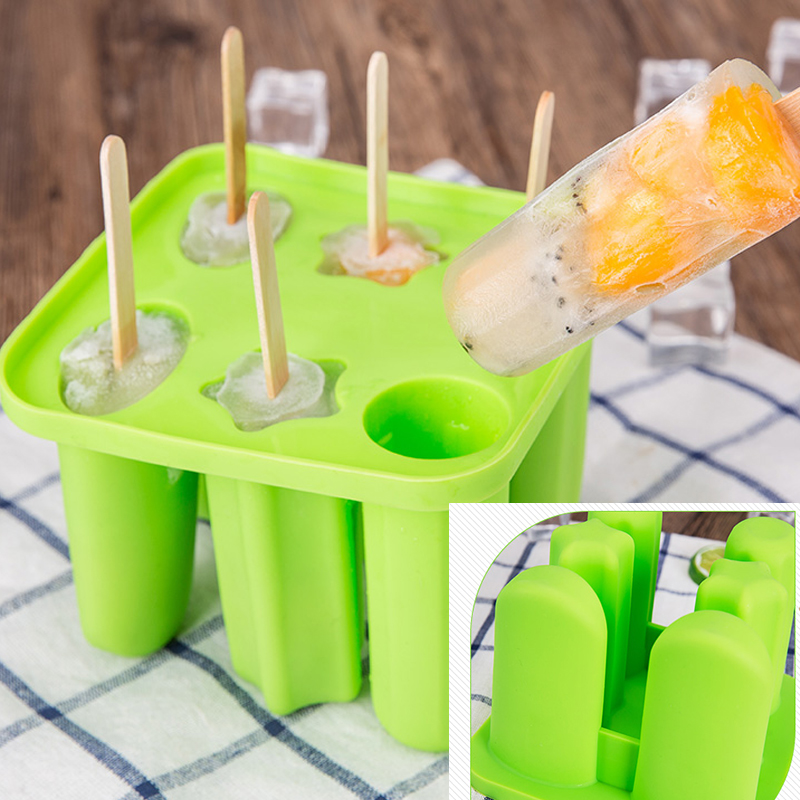
Remember the old battle with a rigid ice cube tray—the violent twisting, the sharp crack, cubes shooting across the counter like tiny frozen missiles? That routine belongs to a different era. The real shift happens when you swap hard plastic for a silicone that gives under pressure. Instead of forcing the tray into submission, you press the back of a single cell and watch the cube slide out cleanly, almost reluctantly, as if it were never really stuck. No broken edges, no wet hands, no dramatic wrist snaps. The material does the work your muscles used to do.
What makes this flexibility so effective is that it isn't soft in a floppy, unstable way. Silicone bends enough to release whatever it holds, yet holds its shape firmly while filling or freezing. Bakeware behaves the same way: muffins lift out whole, brownies don't leave their corners behind, and even sticky caramel releases without a chisel. You stop thinking about extraction as a task and start treating it as a quiet, almost effortless step. The material rewards a light touch, and after a few uses, the twist-and-bang habit simply disappears from your hands.
How the Mold’s Lid Controls Fill Levels and Keeps Ice Clean
Most ice molds rely on guesswork when it comes to water level, but the lid here does more than just sit on top. It has a small fill window that lets you see exactly when the water reaches the right height, so you're not overfilling and ending up with a single frozen block. Once you pour past the mark, the excess drains away through a narrow channel in the lid, which keeps individual cubes from merging into one unwieldy slab.
The lid's underside is shaped with shallow ridges that match the divider walls of the mold. When the water freezes and expands, the lid presses down just enough to keep each compartment sealed. That pressure stops freezer odors from settling into the ice while also preventing the top layer from developing a cloudy film. You get cleaner, clearer cubes that don't carry the taste of last week's leftovers.
Another detail worth noting is how the lid handles partial fills. If you only need a few cubes, the unfilled sections stay covered, so dust and loose frost don't collect in the empty cells. This means the mold can sit in a busy freezer without picking up random bits or developing stale ice in unused pockets. The lid turns a basic tray into something closer to a closed storage container.
Why the Cube Shape Changes How Slowly It Melts
A cube of ice doesn't melt the way a sphere or a thin sheet does, and the reason comes down to how surface area meets volume. The cube's flat faces and sharp edges expose more area to warmer surroundings relative to its total mass, but not in a uniform way. Corners and edges warm faster than the centers of the faces, so the melt begins there first, gradually rounding off the block before the remaining core shrinks at a steadier pace. This uneven start means a cube holds its overall shape longer than you might expect, even as its edges blur.
Once the corners have softened and the cube begins to resemble a rounded lump, the melting rate shifts again. The original flat surfaces are gone, replaced by a smaller, smoother form that has less area touching the surrounding liquid or air. That slows the heat transfer slightly, giving the ice a longer middle phase where it seems to linger at half its size. By contrast, a thin slab would vanish much faster because both of its large faces stay exposed the whole time. A cube, simply by being thick in three directions, forces the heat to work inward from all sides, but never all at once.
There's also a practical effect from how meltwater pools around the base. As the cube softens, a shallow puddle forms underneath, and that water acts as a buffer between the remaining ice and the warmer surface it rests on. The bottom face then melts more slowly than the top and sides, which can leave the cube tilting or developing a hollow underneath before it finally collapses. So the cube's shape isn't just a visual detail; it directly controls the order, speed, and texture of the melting process.
From Old Fashioneds to Iced Tea Without the Watery Finish
A proper Old Fashioned turns watery when small, fast-melting cubes sit in the glass too long. The fix is less about skipping ice and more about slowing it down: use one dense cube, chill the mixing glass beforehand, and stir only until the outside of the glass feels cold. Higher-proof whiskey also stands up better to the small amount of dilution you actually want.
Iced tea has the same problem but a simpler read. Brew it double strength, pour it over ice that has been kept dry and cold, or freeze a batch of the tea itself into cubes so melting adds flavor instead of washing it out. A cold-brewed batch never sees heat, so it starts smooth and stays that way even after the ice gives in.
If you keep the base concentrated and treat ice as an ingredient rather than an afterthought, both drinks hold their shape. The goal isn't zero dilution—just a finish that tastes deliberate instead of thin.
Keeping the Mold Odor-Free After Repeated Freezing
Mold can develop a musty odor after being frozen and thawed repeatedly, especially if it stays damp between uses. The smell usually comes from trapped moisture interacting with residue from the ice or the freezer environment. Before you assume the mold itself has gone bad, take a close look at how it was stored. A loose lid, a torn gasket, or a freezer that cycles through temperature swings will pull in humid air each time the door opens. That moisture condenses on the mold surface and lingers in any tiny scratches or seams, giving odor-causing bacteria a place to settle.
The most effective fix is to dry every part of the mold thoroughly after each thaw, not just wipe it quickly. Use a clean, lint-free cloth and pay attention to corners, hinge areas, and any removable inserts where water can hide. If the odor persists, leave the mold in a well-ventilated spot for several hours before returning it to the freezer. A light dusting of baking soda inside the mold cavity, left overnight and then rinsed off, can also absorb stubborn smells without leaving a strong perfume behind.
For long-term storage, wrap the mold in wax paper or place it inside a breathable cotton bag before putting it in the freezer. This reduces direct contact with frost and ice crystals that form during defrost cycles. If you use the mold frequently, consider keeping a small, open box of baking soda in the freezer nearby, replacing it every month. Over time, these small habits preserve the neutral scent of the mold so that fresh ingredients are the only thing you notice when you open the freezer door.
FAQ
It comes down to how it manages trapped air and freezing direction. The mold uses a thicker base and a flexible sidewall design so water freezes from the top downward, pushing most of the air and impurities toward the bottom instead of locking them in the middle. That leaves the top of the cube much clearer. Regular trays tend to freeze from all sides at once, which is why they turn cloudy.
Yes, and that's where the silicone really earns its place. You can twist or press the bottom of each cavity individually, and the cube pops out without running warm water over the tray or banging it on the counter. It's especially handy for larger cubes that usually put up a fight in rigid plastic molds.
It makes a chunky square cube, roughly two inches per side depending on the cavity. The shape is simple enough for spirits but also works for pitchers and water bottles. Because the walls are flexible, the finished cubes keep clean edges instead of coming out with chipped corners.
Sure. People use it for coffee ice cubes, citrus juice, herbs, or even freezing small portions of stock. The silicone doesn't hold onto smells the way some plastic trays do, so you don't end up with onion-flavored cocktail ice.
The mold is more stable than it looks. It sits flat on a rimmed base, and the cavities are deep enough that you can carry it level without water sloshing over the sides. If your freezer shelf is uneven, you can set it on a small tray for extra peace of mind.
Warm soapy water handles most of it. It's dishwasher safe on the top rack, though a quick rinse and air-dry is usually enough. Occasionally wiping it with diluted vinegar helps if you have hard water or notice any mineral film building up.
If you regularly make cocktails or just want a cleaner-looking cube without the usual tray drama, it's a solid upgrade. The clear ice results aren't lab-perfect like a directional freezing system, but for a silicone mold they're noticeably better than what most people get from basic trays.
Conclusion
Most standard trays freeze water from the outside in, trapping air bubbles and dissolved minerals in the center. That is why ordinary cubes turn cloudy. This mold takes a different approach: the insulated body and fitted lid force freezing to move mostly from the top down, pushing impurities into a small lower reservoir instead of locking them inside the cube. The result is noticeably clearer ice without distilled water or extra steps. The same lid keeps the fill level consistent, so you are not guessing how much water to pour, and it blocks freezer odors from settling into the ice. Releasing the cubes feels less like a fight because the thick silicone walls flex cleanly under thumb pressure, and there is no need to twist, slam, or run hot water over the tray.
The cube size also works in your favor. A larger, blockier cube has less exposed surface for its volume, so it melts more slowly than the thin crescents or small squares from a standard tray. That makes a real difference in an Old Fashioned, a whiskey pour, or a tall glass of iced tea: the drink stays colder with less dilution, and the last sip does not turn watery. After repeated freezing, the mold still rinses clean and does not hold onto stale freezer smells, partly because the lid keeps air contact low and partly because the silicone itself resists odor buildup. It is a small change that quietly improves the whole process from filling to the final pour.
Contact Us
Contact Person: Cecilia
Email: [email protected]
Tel/WhatsApp: 8619057488653
Website: https://silwatbottle.com