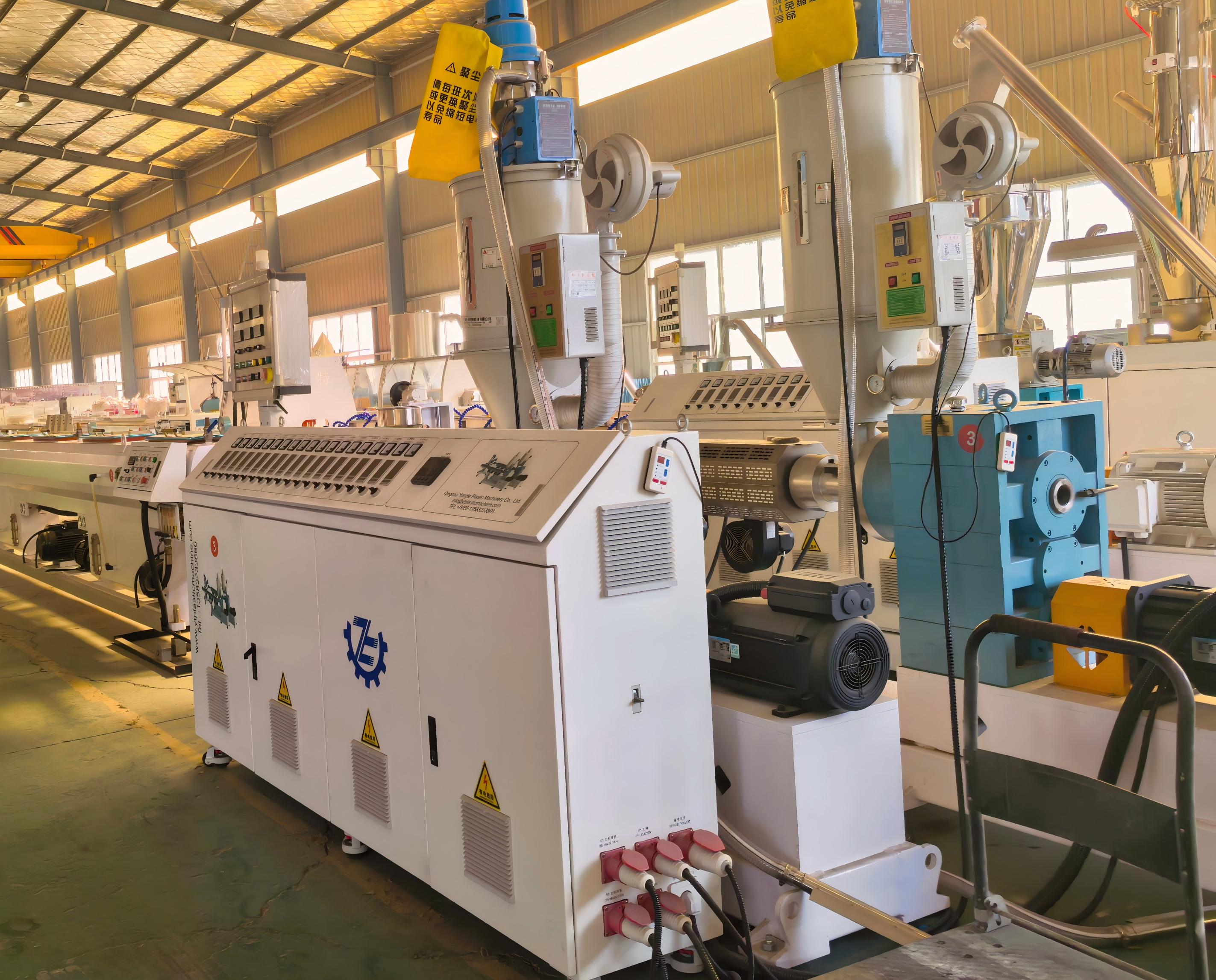

Plastic Lumber Machine Supplier Qualities That Ensure Long Term Performance
2026-11-20
A plastic lumber line only runs as well as the supplier standing behind it. Speed and price grab attention early, but long-term output depends on less obvious factors: thermal stability, screw design, control precision, and how quickly a supplier responds when conditions change. Yongte approaches these priorities differently, focusing on extrusion systems that hold their performance well beyond the first production run. Before you commit to a machine, it is worth looking past the spec sheet at the supplier qualities that determine whether your line will still deliver consistent board quality years from now.
Parts Guidance That Goes Further Than a Spare Parts List
A basic parts list tells you what to order, but it rarely explains what you are actually fixing. Good parts guidance goes deeper by connecting each component to the failure it addresses. If a drive belt is listed next to a tensioner, the guidance should note that a worn tensioner often destroys a new belt within weeks. That kind of context turns a simple purchase into a repair that lasts.
The real value shows up when you are mid-repair and something does not look like the diagram. Instead of leaving you to guess, solid guidance walks through the decision points. For example, when replacing a hydraulic seal, it might ask whether the rod shows scoring or pitting. If it does, a seal kit alone will not hold pressure for long. Knowing that before reassembly prevents a second teardown and a frustrated customer.
Installation details matter just as much as the parts themselves. Useful guidance covers torque values, thread locker placement, cleaning fluids that are safe for nearby materials, and break-in steps after reassembly. It might mention that a pump should run dry for only a few seconds or that a gasket needs to settle before the bolts are fully tightened. These small, specific notes are what separate a generic list from guidance that actually saves time.
Thermal Stability Support Before Your First Production Run
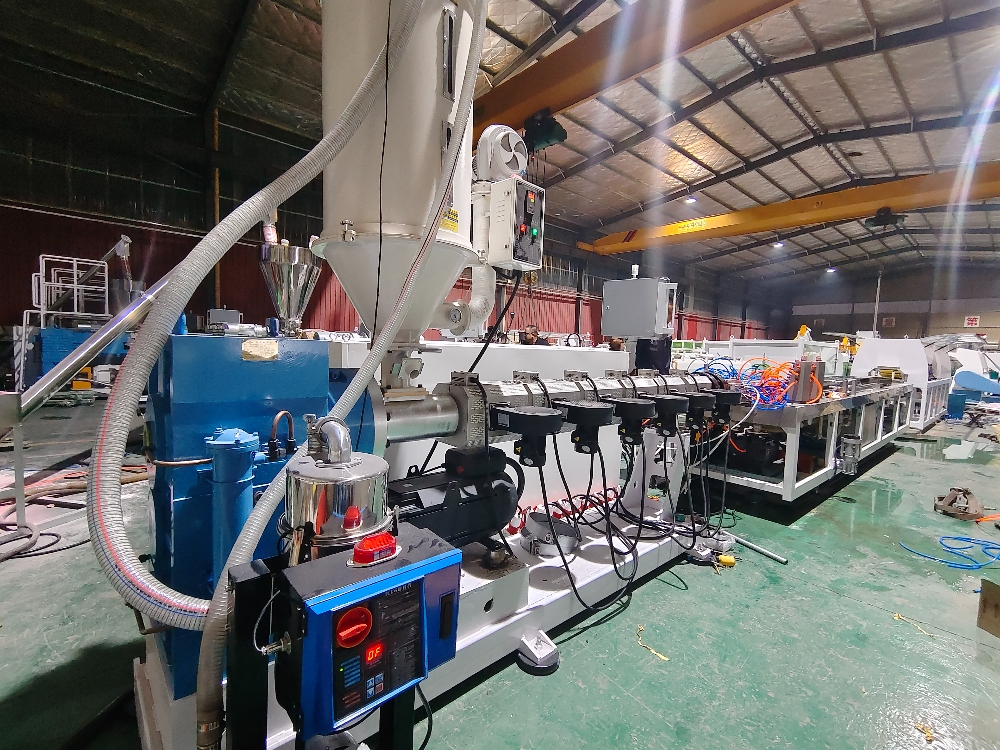
Most thermal stability data sheets report numbers from a short-term test, not from your actual barrel residence time or tooling layout. Before the first production run, it pays to run a stepped soak on the exact lot you will mold or extrude. Hold the material at processing temperature for five, ten, and fifteen minutes, then check melt flow, color shift, and any surface skinning. That gives you a practical ceiling for how long the material can sit in a hot barrel or hot runner before it starts to degrade, and it often reveals risks that a standard TGA curve misses.
Walk the feed throat, barrel zones, manifold, and gate areas with a thermal camera or contact probes before anyone loads material. Small temperature offsets, a worn band heater, or a cooling channel placed too close to a nozzle body can create local hot spots that quietly break down the polymer. Lock down the setpoints and verify them against actual readings rather than trusting the controller display. If you are running a filled or flame-retardant grade, also check whether the additive package separates during extended preheating, because that changes viscosity and can leave burn marks or weak knit lines in the first shots.
Turn the findings into a short startup checklist instead of keeping them in a lab report. Define the maximum allowable residence time, the acceptable melt temperature drift band, and the purge procedure for any pause longer than two cycles. Have operators log the first five shots for odor, color streaks, and nozzle drool, since those are early signs of thermal breakdown before dimensional or mechanical failures appear. A couple of hours spent on this before the first production run usually prevents a much longer stop later, especially when the material lot changes or the press runs overnight.
Field Service Experience With Downstream Tooling
The real test of any field service operation doesn't happen in the workshop, but on a customer site where a piece of downstream tooling has already been integrated into a production line. The gaps between design assumptions and actual operating conditions tend to surface quickly: a tool that worked flawlessly during bench testing might show unexpected wear patterns once it meets abrasive slurries, uneven clamping forces, or temperature swings that weren't fully accounted for. Field teams need to read these early signals carefully, because replacing a worn insert or adjusting a seal under time pressure is far less disruptive than explaining an unplanned line shutdown.
What separates experienced field engineers from those still working from the manual is the ability to diagnose downstream tooling problems without pulling the entire assembly apart. Often the first clues are indirect—slightly higher drive motor current, a change in surface finish on the output part, or a rhythmic vibration that wasn't there during commissioning. Skilled technicians learn to map these symptoms back to specific tooling components, whether it's a misaligned guide bushing, a chip evacuation issue caused by a coolant nozzle that shifted, or a fatigue crack that only opens under full load. This kind of on-site judgment is rarely documented in standard troubleshooting charts.
Beyond the immediate repair, field service work with downstream tooling also builds a feedback loop that improves future designs. Every cracked die, every prematurely rounded cutting edge, and every seized bearing tells a story about the actual loads and duty cycles the tooling experiences. When field reports include not just the failed part but also the surrounding context—run hours, material batch variations, operator adjustments, even ambient humidity—the data becomes genuinely useful for engineering teams. That contextual detail is what turns a routine service call into a durable improvement, and it's why the best field technicians are treated less like repair staff and more like design informants.
Maintenance Schedules Written Around Your Shift Patterns
A planned maintenance slot that lands in the middle of a night shift can undo the whole rhythm of a production week. Our scheduling starts with your rota, not a default working day, so inspections and servicing are booked into natural gaps between shifts, during changeovers, or on the low-demand side of a rotating pattern.
That matters most on sites running 12-hour days, weekend crews, or a mix of earlies and lates. Instead of asking operators to pause at the worst possible moment, we align each visit with the way your teams actually move through the week. Repeated tasks like filter changes, guarding checks, and oil sampling become part of the shift handover rather than separate events.
The effect shows up in fewer unplanned stoppages and less time spent waiting for access. Maintenance stops being a calendar conflict and starts fitting the shape of your shifts.
Transparent Lead Times for High-Wear Components
For maintenance teams running crushers, slurry pumps, or screen decks, the real problem with high-wear parts is rarely the replacement itself. It is the uncertainty around when the next liner, impeller, or mesh panel will actually arrive. A quoted range of six to ten weeks leaves too much room for guesswork, especially when a planned shutdown has to be locked in weeks ahead. Clear lead times turn that guesswork into a schedule.
Transparency means more than sharing a single date on a quote. It includes the stages that sit behind the date: casting or forging capacity, rough machining, heat treatment, finishing, and the final freight leg. When a supplier breaks the timeline into those stages, buyers can see where time is being consumed and flag a delay before it becomes a missed shutdown. If a foundry backlog slips by five days, the buyer should hear about it then, not when the parts fail to ship.
In practice, this level of visibility changes ordering behaviour. Sites stop holding excessive safety stock as insurance and instead reorder at thresholds tied to realistic delivery windows. It also reduces last-minute expediting, overnight freight, and borrowed parts from other operations. The result is not just a shorter wait, but a lead time that can actually be planned around.
Retrofit Planning That Respects Your Current Line Layout
Swapping in a new machine shouldn't mean tearing up the floor plan you already rely on. Our retrofit planning starts with a careful walk-through of your existing line, measuring not just the available space but how material, people, and finished parts currently move through it. The goal is to fit the upgrade into the rhythm you already have, rather than forcing a generic layout that looks good on paper but fights against your daily routine.
Instead of starting from a blank page, we map the constraints that make your line unique: a narrow aisle near the loading dock, a shared utility drop, a column that catches every wide load. Those details shape the placement of the new equipment, often in ways that preserve your current operator stations and inspection points. By respecting the existing footprint, we reduce downtime during the changeover and avoid the usual cascade of relocating conveyors or rewiring entire zones.
The result is a retrofit that feels less like an interruption and more like a natural extension of what the line already does well. You keep the flow your team knows by heart, while the new capability slots into place with minimal disruption. It's planning that treats your current layout as an asset, not an obstacle.
FAQ
It comes down to whether they treat the sale as the end of the relationship or the start. Suppliers that deliver long term performance usually have in-house engineering teams who keep refining screw geometry and barrel metallurgy for recycled feedstocks, and they document wear parts instead of leaving you to guess.
A lot more than most buyers expect. Cheaper nitrided steel wears quickly with filled or contaminated recycle streams. A supplier that insists on bimetallic barrels and hardened screw flights may cost more up front, but the machine keeps tolerances longer and avoids sudden drops in output.
You want controls that monitor melt temperature, head pressure, and motor load in real time, and that can compensate for feedstock variation without constant manual tuning. Systems with recipe storage and historical trending help operators spot drift before it turns into downtime.
Ask for references from customers who have run the same line for several years, not just new installations. Also check if the supplier stocks critical wear parts locally and offers remote diagnostics or service visits without months of lead time. Their service team size and documented response times say more than a warranty certificate.
Yes, because poor calibration tanks or uneven cooling create internal stress in the profile. That shows up later as warping or cracking in the field. A supplier that pays attention to vacuum calibration and controlled cooling is preventing failures you would otherwise see long after the sale.
Dirty or inconsistent feedstock is one of the fastest ways to kill an extruder. A good supplier will not just sell you the machine; they will help set up washing, drying, and blending protocols or recommend the right pre-processing equipment. That guidance protects the barrel and screw from abrasive contaminants.
Usually the difference is in how the supplier engineered for worst case conditions. Machines with heavier gearboxes, conservative thrust bearing ratings, and accessible maintenance points can absorb daily abuse. Machines built to the bare minimum run fine at first but fade as clearances open up.
Request a detailed maintenance schedule with specific intervals for gearbox oil, screw inspection, screen changer seals, and calibration table alignment. If they can give you a realistic hour-based plan and training for your maintenance crew, that is a strong sign they understand long term ownership.
Conclusion
Long-term performance from a plastic lumber machine rarely hinges on the extruder alone. It comes from a supplier who knows how a specific line behaves after months of thermal cycling, material changes, and shift handovers. That starts with parts guidance that goes past a simple spare parts list. A decent supplier can tell you which wear items tend to fail together, what to keep on the shelf for a weekend crew, and when a minor component is about to create a downstream bottleneck. The same practical lens shows up in thermal stability support. Instead of waiting for uneven melt or screw surging, the supplier works with your team before the first production run to set barrel zones, warm-up sequences, and shutdown procedures matched to your feedstock and ambient conditions.
Support also has to extend beyond the machine frame. Field service experience with downstream tooling matters because calibration issues in a saw, embosser, or puller can mask problems that are wrongly blamed on the extruder. Maintenance schedules need to be written around real shift patterns, not a generic 500-hour checklist that assumes a continuous line. Some plants run thin staffing on nights, some stop for frequent color changes, and the plan should respect that. Transparent lead times for high-wear components prevent surprises, especially when a critical barrel or screw segment has a longer supply chain. Finally, retrofit planning should work with your current line layout rather than forcing a complete rearrangement. That kind of supplier knowledge keeps output steady and makes replacement cycles more predictable over the life of the equipment.
Contact Us
Contact Person: Ms Qin
Email: [email protected]
Tel/WhatsApp: 8613583233866
Website: https://www.yongteplast.com