Professional Flame Resistant Fabric Buying Guide for Maximum Workplace Protection
2026-10-16
When flames can consume ordinary workwear in seconds, choosing the right flame resistant fabric stops being optional—it becomes a matter of life and death. Yet many buyers discover that a simple “FR” label doesn’t guarantee real protection: fabric type, testing standards, comfort, and durability all matter just as much. In this guide, we’ll walk you through the common pitfalls and explain why a specialized brand like DROTEX deserves your attention. Ready to take your workplace safety to the next level?
What FR Fabric Labels Actually Reveal Before You Buy
A label that only says “FR” without a standard number is a red flag. Look for the specific certification code and year, such as NFPA 2112-2018 or ASTM F1506-18. These tell you exactly which flash fire or arc flash scenario the fabric was tested against, and older versions may have less stringent requirements. If the tag skips the year or simply prints “meets FR standards,” the claim is vague enough to deserve a second look.
Wash care details hide the real durability story. Some flame-resistant fabrics are treated with a chemical finish that wears out after a limited number of home launderings, while inherently FR fibers keep their protection much longer. The label usually states a number like “50 wash cycles” or “100 industrial launderings.” Ignoring this line can mean buying a garment that passes the first inspection but quietly loses its protection after a few months of real use.
Batch codes and third-party marks are the part most buyers skip. A credible FR fabric label lists an independent certification body such as UL or SEI, and often includes a lot number that traces back to the mill and test report. If you can’t find any third-party identifier and only see the manufacturer’s own logo, the fabric may not have passed independent verification. Checking that small print before purchase can save you from relying on self-declared safety claims.
Why Arc Rating Should Drive Your Fabric Choice More Than Price
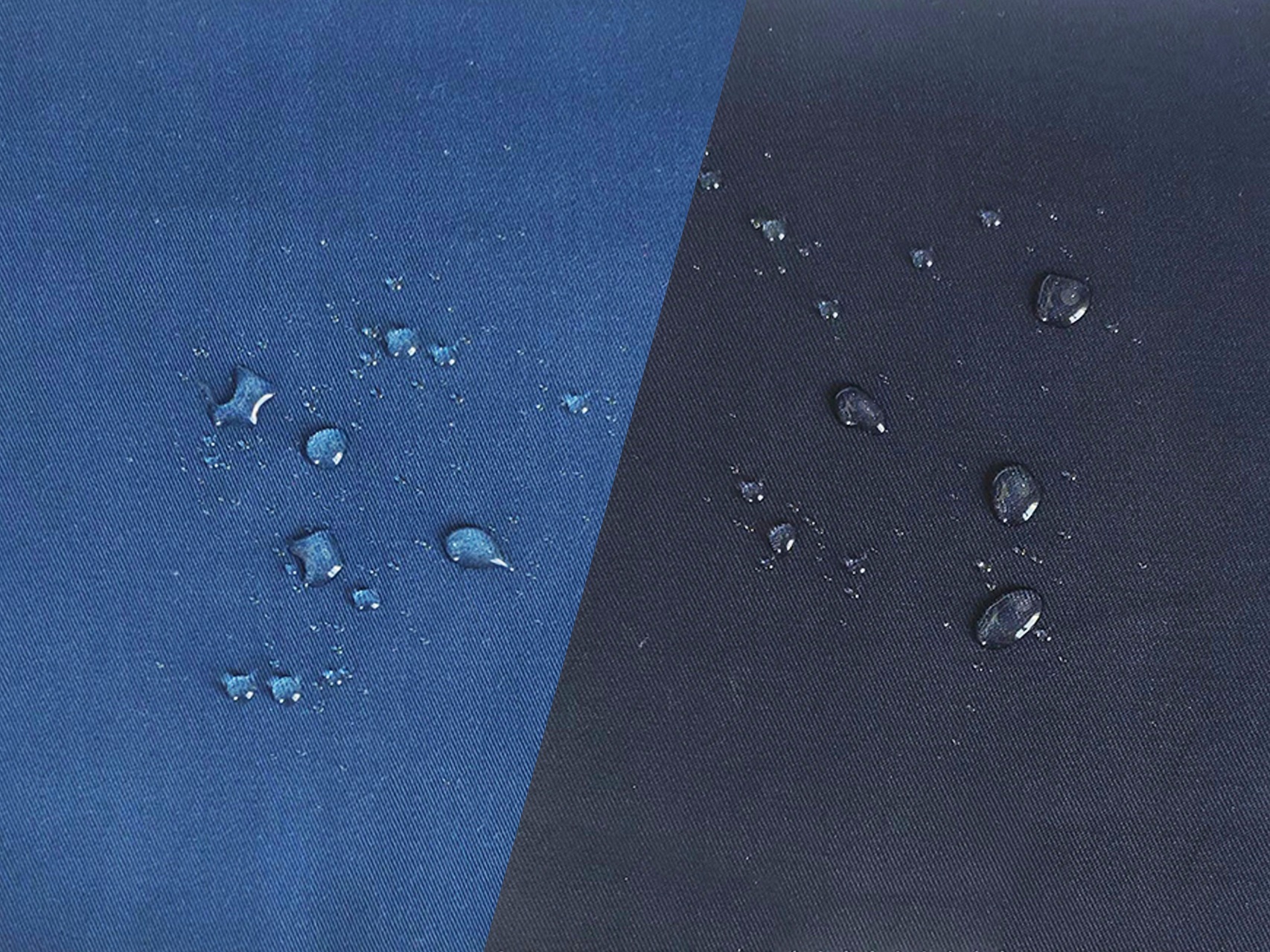
When procurement teams see two fabrics with similar arc ratings on paper, the temptation to chase the lowest bid is strong. But arc rating alone is a snapshot from a controlled lab test, not a reflection of how the fabric will behave after months of laundering, exposure to sparks, or contact with oils and abrasives. A cheaper fabric might hit the same ATPV threshold fresh out of the box, yet degrade faster in the field, leaving workers with a false sense of protection. The real cost shows up later—more frequent replacements, higher risk of injury, and the operational chaos of unplanned downtime.
Price-driven decisions also ignore the hidden expenses of comfort and compliance. A stiff, heavy fabric that meets the rating may lead to heat stress, reduced mobility, and workers rolling up sleeves or unzipping jackets—behaviors that undermine the protection you paid for. Fabrics engineered with durable arc-resistant fibers, breathable weaves, and ergonomic cuts keep workers safer and more productive over the life of the garment. That translates into fewer incidents, lower turnover, and a crew that actually wears the gear instead of fighting it.
Arc rating is the floor, not the ceiling. Smart buyers look at total cost of ownership: how the fabric holds up after fifty industrial washes, whether it resists ignition from molten metal, and if the manufacturer backs it with real-world wear trials rather than marketing claims. When you prioritize performance over sticker price, you invest in a system that protects your people and your bottom line long after the invoice is paid.
The Heavy Fabric Myth That Leaves Workers Less Protected
Many buyers still equate thickness with safety, assuming a heavier garment will automatically hold up better against cuts, sparks, or abrasion. In practice, extra ounces often translate into stiffness and bulk that hamper movement on ladders, around machinery, or in tight spaces. Workers compensate by moving more slowly or skipping protective layers altogether, which can be far more dangerous than wearing a lighter, better-designed fabric.
Heavy fabrics also tend to trap heat and moisture. Once a thick cotton or poly-cotton shell becomes soaked with sweat, its thermal protection drops and the risk of heat stress climbs. Fatigue, dizziness, and reduced focus follow. A fabric that weighs less but wicks moisture and allows airflow can keep a worker alert and comfortable through a full shift without sacrificing durability.
The real measure of protection lies in engineering, not just weight. High-tenacity yarns, tight weaves, and specialized coatings can deliver superior tear and abrasion resistance at half the ounce count. Before choosing workwear, look for test results against the hazards of the job—not the heaviest option on the rack.
How Laundering Cycles Quietly Degrade Flame Resistance
Each wash cycle does more than just remove dirt from flame-resistant fabrics. The mechanical action of the washer, combined with detergent chemistry and water temperature, gradually breaks down the protective finishes and fibers that give the garment its fire-resistant properties. Over time, these repeated stresses can cause micro-fractures in the fabric weave, allowing heat and flames to penetrate more easily.
Hard water and residual minerals play an underappreciated role in this quiet degradation. As calcium and magnesium deposits build up on the fabric surface, they create a crusty barrier that interferes with the fabric's ability to char and insulate. This buildup can also trap flammable contaminants from everyday wear, such as cooking oils or grease, which become nearly impossible to remove completely after multiple laundering cycles.
Even when a garment still looks visually intact, its protective capacity may be compromised far sooner than expected. The loss is rarely dramatic—it happens in small increments with every wash. That's why many safety managers insist on strict laundering logs and periodic destructive testing, because the naked eye simply cannot detect when flame resistance has slipped below a safe threshold.
A Simple Side-by-Side Test to Compare FR Fabric Durability
Most flame-resistant fabric specs look identical until you put two swatches through the same abuse. Cut 8-by-8-inch pieces from each candidate, label the backs with a permanent marker, and throw them in the same wash load with a handful of cotton towels. Pull one swatch from each fabric after every 10 cycles, bolt them to a board in order, and the wear differences become impossible to ignore.
For abrasion, you do not need a lab-grade machine. Tape each swatch to a flat board, wrap a 1-pound steel block in 600-grit sandpaper, and push it back and forth across the fabric 100 times. Count the strokes, then flip the block for the next sample. Check the surface under a desk lamp for broken fibers, pilling, or a fading ripstop pattern. A fabric that looks fuzzy after 100 strokes will usually fail long before one that stays smooth after 300.
After the mechanical work, do a quick flame check. Fray one edge of each worn swatch with a wire brush, hold a butane lighter to the fringe for 12 seconds, and time how long it burns after you pull the flame away. Char length and afterflame vary far more after abrasion than on new fabric. The fabric that keeps its weave tight, resists tearing when you yank the cut edge, and self-extinguishes fastest is the one worth specifying.
Inherent vs Treated FR Fabrics What Your Supplier May Not Mention
The biggest thing most spec sheets won't spell out is what happens after 40 or 50 industrial washes. Inherent FR fabrics keep their flame resistance because it's part of the fiber itself—there's nothing to wash off. Treated fabrics, on the other hand, depend on a chemical finish that can break down with harsh detergents, hard water, or simple abrasion. You might pass an initial arc-flash test and still end up with garments that are no longer compliant six months later. That's a gap worth asking about before you commit to a fabric.
Upfront price is another area where the full story rarely comes out. A treated fabric can look cheaper on a purchase order, but if the protection fades and the garment has to be replaced twice as often, the math changes quickly. Re-treating adds logistics and downtime, and you still have to verify the finish was applied correctly. In heavier-use settings, inherent FR often ends up costing less over two or three years—yet that longer view doesn't make it into a quick quote comparison.
Comfort and environmental impact tend to stay off the table too. Some treated fabrics are stiffer, trap more heat, or develop an odor when the finish reacts with sweat. Inherent FR generally breathes closer to regular workwear. And while suppliers rarely volunteer the information, the chemicals used in treated fabrics can wash out into wastewater over time. If worker comfort, sustainability, or long-term compliance matters to your facility, these are exactly the points to press before the first shipment arrives.
FAQ
A fabric is genuinely flame resistant when the protection is built into the fiber itself, as with aramids or modacrylics, so it won't ignite or continue burning even after repeated washing. A flame retardant finish, by contrast, is a chemical treatment applied to otherwise combustible fibers like cotton, and its performance can degrade with improper laundering or wear.
Focus on standards that match the specific hazard. For flash fire, NFPA 2112 is the benchmark; for arc flash, look for ASTM F1506 and NFPA 70E compliance. In Europe, EN ISO 11612 covers heat and flame, while IEC 61482 handles arc protection. Ask for third-party test reports rather than taking a supplier's word.
There is no perfect fabric, so think about the actual job conditions. Lighter fabrics breathe better and reduce heat stress, but they may sacrifice abrasion resistance. Blends that combine FR fibers with a small amount of cotton or viscose can improve comfort without losing protection, but you need to test them against your specific hazard exposure.
No. A fabric that passes a flash fire test may not have an adequate arc rating for electrical work. Arc flash protection depends on the fabric's arc thermal performance value, measured in ATPV or EBT. You need to know the incident energy level of the task and select a fabric with a rating above that threshold.
Weight is a rough proxy for thermal insulation. Heavier fabrics usually block more heat and provide higher ATPV ratings, but they also trap more body heat and restrict movement. Match the weight to the hazard severity and the physical demands of the job; if the risk is moderate, a mid-weight fabric with good moisture management often outperforms a heavy one in real-world wear.
Use a mild detergent and avoid chlorine bleach, fabric softeners, or starch, as these can coat fibers or break down FR treatments. Wash in warm water and tumble dry on low heat. Home laundering is fine for most FR workwear, but if the garment is heavily soiled with flammable substances, send it to a service that specializes in industrial FR cleaning.
Inherently flame resistant fabrics keep their protection for the life of the garment because the flame resistance is part of the polymer chain. Treated fabrics, especially those based on cotton, will gradually lose effectiveness if exposed to hard water, bleach, or harsh detergents. Always check the care label and retire any garment that shows visible thinning, holes, or failed spot checks.
Request full compliance certificates, not just marketing sheets. Ask for the ATPV or EBT rating, shrinkage after multiple washes, colorfastness, and whether the fabric is approved for industrial laundering. Also ask how the supplier verifies batch-to-batch consistency and whether they offer a warranty against premature loss of flame resistance. A reputable supplier will share independent lab results without hesitation.
Conclusion
Most buyers walk into FR fabric selection assuming a label that says "flame resistant" means all risks are covered. The truth sits in the details: fabric labels often reveal test standards, fabric blends, and whether protection comes from the fiber itself or a chemical finish. Before you compare prices, check the arc rating. A lower-cost fabric with a much lower arc rating can leave a worker exposed to a serious thermal hazard, while a slightly more expensive option rated for the actual electrical arc energy in your facility becomes the only rational choice. There is also a persistent myth that heavier fabric automatically means better protection. Weight alone says little; a dense, tightly woven lighter fabric can outperform a bulky, loosely constructed heavy one in both flame resistance and comfort.
What no supplier volunteers is how quickly laundering cycles degrade treated FR finishes. A fabric might pass its initial certification, but after twenty industrial washes, the flame resistance can drop sharply if the chemistry was not properly bonded or if the wrong wash routine is used. Inherent FR fibers do not wash out, but they can still lose performance through surface contamination or physical wear. A simple side-by-side test helps: order sample swatches, wash them repeatedly according to your actual laundry protocol, then compare shrinkage, color retention, pilling, and any change in stiffness. Ask your supplier for documented wash-cycle performance, not just a one-time certificate. Inherent and treated FR fabrics each have valid roles, but the distinction only matters if you know your laundering reality and the expected lifespan of the garment. Choose the fabric that maintains its protective properties through the harshest conditions your workers actually face, not the one that looks best on a spec sheet.
Contact Us
Contact Person: Sandy
Email: [email protected]
Tel/WhatsApp: 86150 8310 5120
Website: https://www.frdrotex.com