

Refrigerated Trailer Company Selection Tips for Temperature-Controlled Shipping
2026-11-16
Most temperature-controlled shipping failures don't start with the refrigeration unit. They start with choosing the wrong trailer partner. If you're comparing refrigerated trailer companies, the usual checklist—price, availability, age of fleet—barely scratches the surface. The real selection criteria are the ones that only show up when something goes wrong. In this post, we're breaking down what to look for before you sign, and why a partner like Oriental Shimao is worth a closer look.
What happens when the reefer unit fails at 3 a.m.?
The first sign is usually a faint, high-pitched whine that cuts through the hum of the highway, followed by a dashboard warning light you've never seen before. By 3 a.m., there's no dispatcher on the line and no service truck within a hundred miles. You pull over on the shoulder, kill the engine, and listen: silence where the compressor should be cycling. The load—maybe pharmaceuticals, maybe fresh produce—starts to lose its hold on the safe temperature zone. Every minute that passes is money and trust bleeding out into the night air.
Your options narrow fast. You can try a manual reset, jiggle a relay, or check for a blown fuse, but if the control board is fried or the refrigerant has leaked, you're stuck. Many drivers carry a backup data logger and a list of emergency warehouses, but at this hour, even those become hollow promises. The real choice is whether to nurse the trailer to the nearest 24-hour truck stop and hope for a cold storage bay, or sit tight and wait for a mobile reefer tech who may not arrive until sunrise. Either way, you're making calls to insurance, to the broker, to the receiver—each conversation heavier than the last.
The aftermath is a paperwork marathon. Temperature logs get scrutinized line by line; claims adjusters ask for records you didn't know you needed. If the cargo is salvageable, you might offload at a discounted rate. If not, a single failed seal or a corroded sensor can spiral into tens of thousands in losses. Experienced drivers learn to do a pre-trip reefer inspection like a ritual: check the fuel level, the belts, the evaporator fans, the hour meter. But at 3 a.m., none of that matters. All you can do is stand in the cold, watch the trailer temperature climb, and wonder how a machine with one job picked the worst possible moment to quit.
Your cargo's temperature limits are stricter than you think
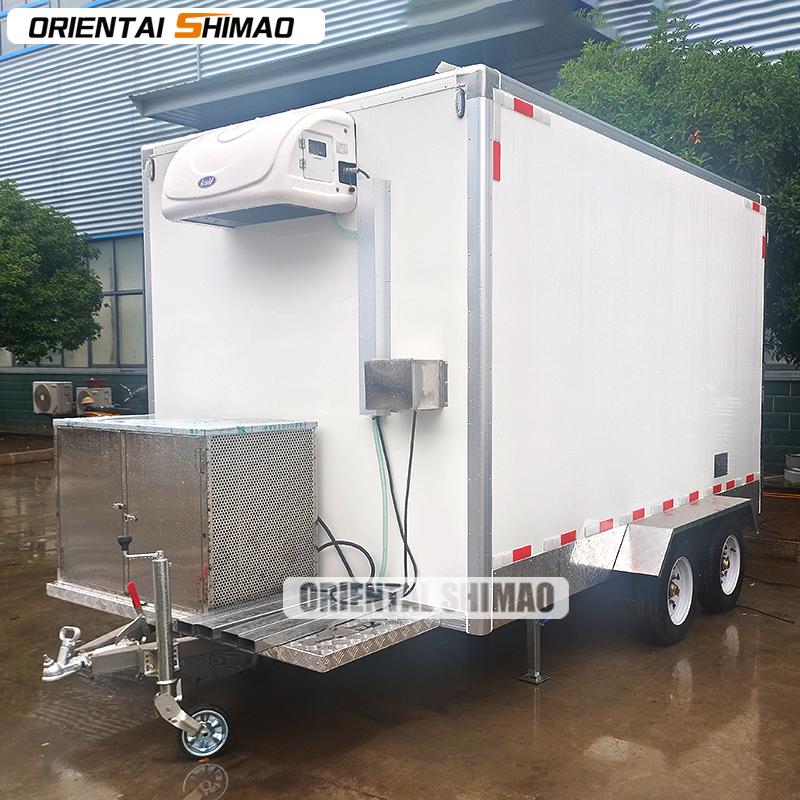
Many shippers assume their product can handle a few degrees of fluctuation, but the reality is far less forgiving. A common mistake is relying on the general temperature range printed on the packaging rather than the specific limits required for your cargo's actual transit duration and handling conditions. Even a brief excursion beyond the narrow safety window can accelerate degradation, alter viscosity, or trigger spoilage that isn't visible until the goods reach their destination.
What gets overlooked is that temperature limits aren't static—they shift based on humidity, air circulation, and how long the cargo sits at a given threshold. A load that survives 8 hours at 10°C might still fail after 6 hours at 12°C if the packaging insulates unevenly. This means your reefer settings need to account for the warmest corner of the container, not just the average reading on the control panel.
The cost of guessing wrong isn't just a rejected shipment. It's the entire chain of re-inspection fees, disposal costs, and the quiet erosion of buyer trust that follows. Before dispatching, compare your cargo's actual thermal tolerance with the worst-case temperature profile of the route—including door openings, border delays, and the last mile. A stricter limit might force you to use a different set point, add gel packs, or re-route via a shorter transit window. But that adjustment is far cheaper than discovering the limit only after the damage is done.
A clean trailer is not the same as a well-maintained one
A spotless exterior can hide a growing list of mechanical neglect. Washing the trailer body, polishing the fenders, and scrubbing the floor feel productive, but they do nothing for the grease inside the wheel hubs, the tension on the brake adjusters, or the condition of the suspension bushings. Many owners mistake that fresh coat of wax for a clean bill of health, only to discover a seized bearing or a cracked leaf spring far from home.
Cleanliness does matter for spotting leaks and slowing corrosion, but it is only one small part of upkeep. Water from frequent washing can creep into frame rails and wiring loom connectors if not dried properly. Meanwhile, a dirty trailer that gets its bearings repacked, brakes adjusted, and tire pressures checked on schedule will outlast a gleaming one that never sees a grease gun.
The real test of a well-maintained trailer is how it behaves at highway speed and under load. Does it track straight? Do the brakes engage evenly? Is there any play in the coupler? Those answers come from inspections and service records, not from how clean the aluminum looks in the driveway. A little road grime is honest; a hidden dry bearing is not.
Real-time temperature tracking? Ask to see the dashboard, not the brochure
When someone claims their system offers real-time temperature tracking, the first test is simple: ask to see it working, not a slide deck. A live dashboard with moving numbers tells you more in ten seconds than a polished brochure ever will. If the data updates only when you refresh, or worse, when someone manually edits a cell, you're not looking at real-time anything. You're looking at a staged snapshot. The gap between a marketing screenshot and a working interface is where most cold chain failures hide.
Real-time means data flows from sensors to your screen without a human in the middle. That requires active telemetry, edge connectivity, and a system that can handle sensor dropouts gracefully. If the vendor can't show you a live feed with a delay measured in seconds, not minutes, then what they're offering is periodic logging dressed up in modern clothes. Temperature excursions happen in minutes, not hours. A dashboard that updates every fifteen minutes is a rearview mirror, not a live gauge.
Before signing anything, ask the vendor to log in and show you the actual feed from a unit in transit right now. Watch the timestamps. Look for gaps, stale readings, or manual overrides. A genuine real-time system feels slightly raw, with occasional blips and latency spikes that come from real hardware. If everything looks too clean and consistent, you're probably looking at a demo, not a deployment. Trust the dashboard that breathes, not the one that poses.
The driver who delivers your load probably never touched the thermostat
It’s easy to picture a driver fiddling with a reefer unit’s controls at a rest stop, but in most modern fleets that’s not how it works. The thermostat setting for a load is typically locked in before the trailer ever leaves the yard, either by the shipper or through a remote command from dispatch. The driver’s job is to keep the unit fueled and running, not to manage the temperature.
That distance between the person behind the wheel and the temperature controls changes how problems get caught. If the reefer drifts out of range, an alert usually goes to a back-office team or the carrier’s monitoring platform, not the driver’s dashboard. By the time the driver notices a warning light, someone else may already be working the issue from a desk hundreds of miles away.
For shippers, this matters because the chain of custody for temperature isn’t as simple as asking the driver to turn it down. The thermostat is often a set-and-forget parameter, and the real guardians are sensors and automated logs. That’s why a clean delivery receipt doesn’t always mean the driver did anything to the thermostat—just that the system behind it held up.
If they won't share breakdown records, keep looking
A detailed breakdown is a basic expectation, not a favor. If a vendor hesitates or gives vague totals, it's often a sign of hidden markups or sloppy bookkeeping. You're not asking for trade secrets; you're asking to see where your money goes. Without that, you're approving costs blind.
Some will push back, claiming the data is confidential or too complex to pull. Those excuses rarely hold up. Honest businesses track their expenses closely and can produce a clear line-item record without much delay. When pushback turns into foot-dragging, it's usually because the numbers don't support the price.
Walking away might feel like losing time, but staying with a non-transparent partner costs more in the long run. There are plenty of suppliers who treat transparency as standard practice. Keep looking until you find one that hands over the records without a fight.
FAQ
Request unedited temperature logs from at least three recent deliveries that match your cargo type. Look for stable readings without sudden spikes or drops, and ask how often they calibrate their reefer units. A company that confidently walks you through their data and maintenance records is far more trustworthy than one that only shows glossy brochures.
Ask for the average age of their refrigerated trailers and the last full mechanical inspection dates on units they'd assign to your loads. Newer trailers often have better insulation and digital controls, but a well-maintained older unit can still perform. If they can't show you inspection stickers or service logs within the past 90 days, keep looking.
Talk directly to the driver who would handle your first few shipments. Ask about specific scenarios: what they'd do if the reefer alarm goes off at 3 a.m., how they manage fuel stops to avoid temperature swings, and whether they've hauled similar products before. Experienced drivers will give concrete examples, not vague reassurances.
A solid company will have a written breakdown protocol that includes 24/7 roadside assistance, a network of repair shops along your route, and backup trailers within a few hours' reach. Ask them to walk you through a recent real breakdown—how long it took to transfer cargo, and whether they notified the customer proactively. If their answer is 'that never happens,' be skeptical.
Yes—fuel surcharges, waiting time at docks, washout fees between loads, and reefer fuel consumption above a baseline. Ask each company to break down their quote line by line and confirm whether temperature monitoring reports are included or extra. Some firms also charge for pre-cooling the trailer; make sure that's covered in the base rate if your cargo needs a cold start.
Pre-cooling is critical for produce, pharma, or frozen goods—loading a warm trailer can cause condensation and spoilage within hours. Ask the company to document the pre-cooling time and target temperature before your cargo goes in. Better yet, request a photo of the reefer display showing the internal temperature right before loading. Consistent pre-cooling logs are a sign of disciplined operations.
Don't just ask for a certificate—verify that the policy specifically covers spoilage or temperature excursion, not just collision or theft. The per-load limit should match or exceed your cargo's value. Also confirm whether they offer contingent cargo coverage if your own policy has gaps. A company that proactively explains their coverage limits is easier to trust than one that avoids the topic.
Conclusion
Choosing a refrigerated trailer company goes far beyond checking that the box is cold. Think about what actually happens when the reefer unit dies at three in the morning - does the carrier have a real emergency protocol, or are you stuck making frantic calls while your cargo slowly warms up? Then consider temperature limits. Many shippers assume their goods can handle a few degrees of swing, but pharmaceuticals, fresh produce, and certain chemicals often have tolerances measured in single digits. A trailer that looks spotless on the outside may still have hidden problems like worn door seals, failing evaporator fans, or a compressor that hasn't been serviced in months. Cleanliness is only one part of maintenance.
When a company brags about real-time temperature tracking, don't accept a polished brochure. Ask to log into their actual dashboard and see live data from a recent trip - if they hesitate, that's a red flag. Also remember that the driver behind the wheel probably never touches the thermostat; temperature control is handled remotely or by a separate team, so you need to know who is actually monitoring alarms at 2 a.m. and how fast they respond. Finally, if a carrier refuses to share breakdown records or incident reports, that's the clearest signal to walk away. Transparent operators will show you their failure history because they have nothing to hide. Choose a partner who treats temperature integrity as a non-negotiable, not a marketing slogan.
Contact Us
Contact Person: Jack Wang
Email: [email protected]
Tel/WhatsApp: 8618306483516
Website: https://www.orientalshimaofoodtruck.com