Street Furniture Manufacturer: Designing Robust and Elegant Public Spaces for Modern Cities
2026-07-22
Have you ever paused to consider the silent architects of our daily urban experiences? From the bench where you rest with your coffee to the sleek bike rack that secures your ride, street furniture quietly shapes the soul of a city. In the quest to create public spaces that are both resilient and refined, manufacturers like zemso are redefining what it means to blend durability with beauty. This blog delves into the art and engineering behind modern street furniture, exploring how thoughtful design turns ordinary streetscapes into vibrant, welcoming havens.
Crafting Durable Street Fixtures That Withstand Urban Demands
Urban environments present a relentless combination of physical wear, weather extremes, and constant human interaction. Designing street fixtures that truly last means moving past standard off-the-shelf components and embracing a mindset where every material choice is questioned. For example, opting for electro-polished stainless steel over painted mild steel eliminates the need for repainting cycles and resists the corrosive effects of rainwater and road salt. It's not simply about selecting robust materials; it's about understanding how they'll age in place—how the texture of a bench armrest might polish over years of use, or how a bollard's surface can be engineered to shed grime naturally rather than trapping it.
Beyond material selection, the way a fixture is joined and anchored makes or breaks its lifespan in a public setting. Vandal resistance is often addressed with tamper-proof fasteners, but a more subtle approach involves designing joints that deflect force or conceal connection points entirely within the structure. When securing seating or signage into paving, using a three-point mounting system with chemical anchors can dampen the stress transferred from daily jostling by crowds or maintenance equipment. Small design shifts—like angling horizontal surfaces a few degrees to prevent water pooling, or adding discreet drainage channels—extend functional life in ways that users never notice but city managers appreciate when budgets aren't drained by constant repairs.
Ultimately, durable street fixtures reflect a deliberate balance between toughness and tactile appeal. A bus shelter that feels flimsy invites misuse, while one built like a fortress can feel unwelcoming. Incorporating ribbed aluminium panels that resist scratching while offering a warm metallic finish, or embedding scratch-resistant glass with an anti-graffiti film that is invisible to the touch, can create a sensory experience that encourages respectful use. The goal is to embed resilience so deeply into the design that the fixture becomes a quiet, lasting backdrop to city life—requiring little more than an occasional rinse to look as intended, year after year.
Merging Aesthetic Vision with Functional Design for Public Areas
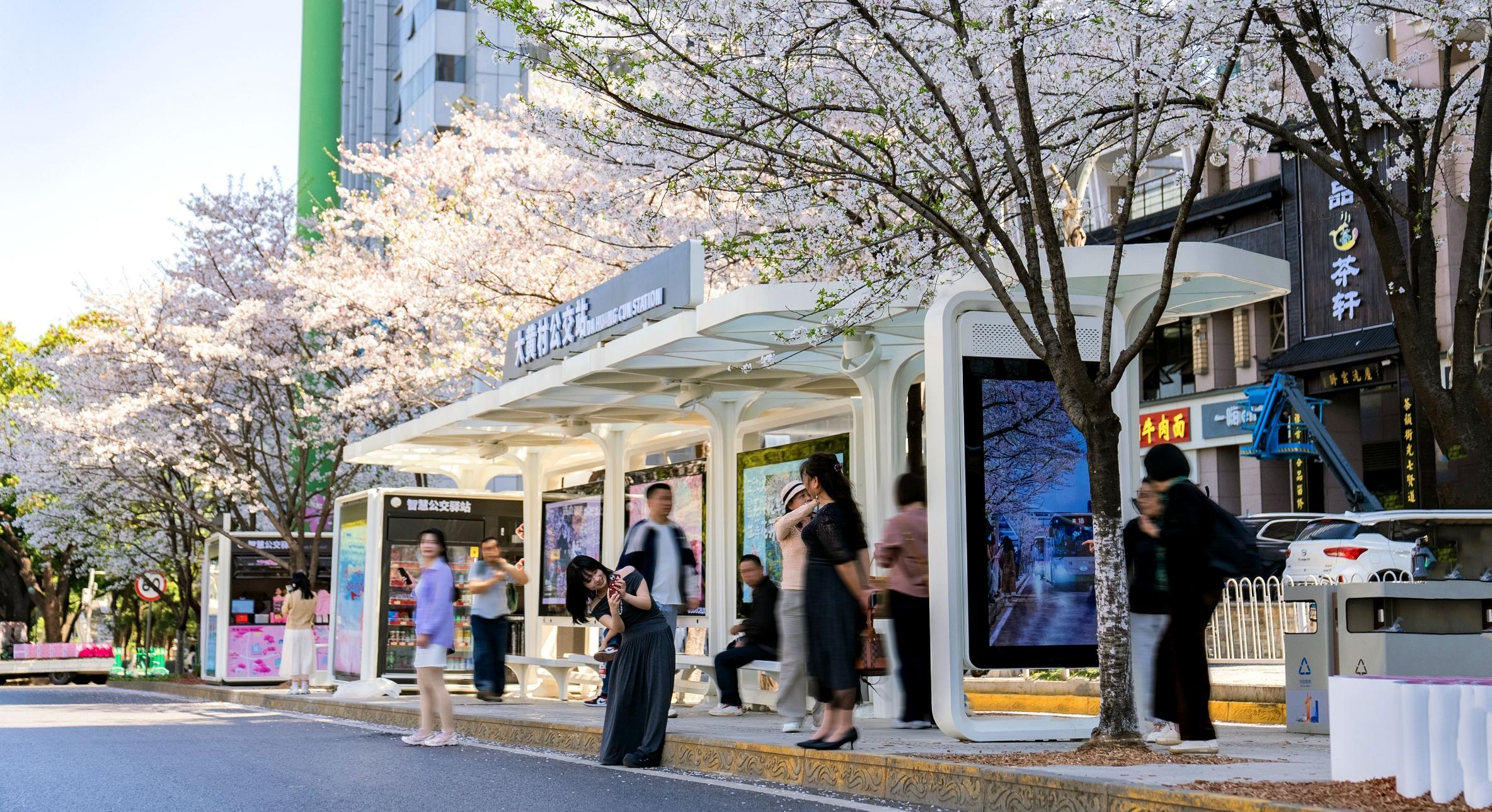
Great public spaces don’t just happen—they’re shaped by a deliberate blend of beauty and purpose. When you walk through a thoughtfully designed lobby or a bustling transit hub, you’re not thinking about the hours spent balancing sightlines with foot traffic flow, but every well-placed bench and uncluttered corridor is a quiet nod to that effort. The trick lies in letting the aesthetic vision guide the function without either one stealing the show.
Texture, light, and proportion become more than decorative choices here. A luminous stone floor, for instance, might be chosen not only for its warmth but because it subtly guides movement toward a central atrium. Seating isn’t just arranged for conversation; its placement softens the harshness of a long corridor, turning a passageway into a pause point. These decisions hide in plain sight, making daily routines feel less like enduring space and more like experiencing it.
What often sets a memorable public area apart is how effortlessly comfortable it feels. The materials weather gracefully without constant maintenance, lighting adjusts with the arc of the day, and every zone invites you in without signs or instructions. It’s this intuitive dance between what’s pleasing and what’s practical that transforms a mere atrium into a place people instinctively want to linger—or move through with an unconscious sense of ease.
Custom Solutions Tailored to Reflect City Identity
Every city carries its own rhythm, a blend of history, culture, and local quirks that no off-the-shelf blueprint can capture. Instead of forcing a generic template, we dig into what actually makes a place tick—the informal gatherings in neighborhood squares, the vintage signs that have survived decades, the way light hits the river at dusk. These details become the raw material for design choices that feel genuinely rooted, not slapped-on.
From wayfinding systems that echo the local dialect of architecture to public spaces that reimagine forgotten traditions, the trick is to translate intangible atmosphere into something you can touch and navigate. It’s less about branding in the corporate sense and more about uncovering a city’s visual vocabulary—the colors, patterns, and materials that residents already claim as their own—and amplifying them in thoughtful, functional ways.
When a solution truly fits its place, it stops being a novelty and starts feeling inevitable. That’s how you get a library façade that echoes the rhythm of nearby tile work, or a digital kiosk that uses illustration styles born from the local art scene. The outcome isn’t just a coherent look; it’s a quiet statement that the city’s identity matters in every layer of its experience.
Weather-Resistant Materials for Long-Lasting Outdoor Installations
Selecting the right materials for outdoor installations often means looking beyond standard options. Marine-grade stainless steel, for instance, contains molybdenum, which greatly enhances its resistance to pitting and crevice corrosion in coastal or high-humidity environments. Powder-coated aluminum offers a lightweight yet durable alternative, with the coating forming a protective barrier against UV radiation and airborne pollutants. For structural elements, weathering steel develops a stable rust-like patina that actually shields the underlying metal from further degradation, giving it a distinct, earthy appearance that blends with natural surroundings.
Polymer-based composites have transformed outdoor durability by combining wood fibers with recycled plastics to create boards that resist rot, insects, and warping far better than traditional lumber. High-density polyethylene (HDPE) panels, originally designed for marine applications, are now widely used in park furniture and playground equipment because they never need painting and can withstand constant exposure to sun and rain without splintering or fading. For transparent elements, polycarbonate sheets deliver impact strength that is many times higher than glass while including UV-stabilizing additives that prevent yellowing over years of direct sunlight.
Surface treatments can dramatically extend the lifespan of even common materials. Anodizing aluminum not only hardens its outer layer but also allows for vibrant color finishes that lock into the oxide structure, resisting scratches and fading. Thermal modification of wood—a chemical-free process that uses heat and steam—alters the cell structure of species like ash or pine to become dimensionally stable and virtually indigestible to fungi. When fasteners are needed, silicon bronze screws and epoxy-coated steel brackets prevent galvanic corrosion when joining different metals, ensuring the entire assembly remains intact through freeze-thaw cycles and salt spray without compromising structural integrity.
Creating Inclusive and Accessible Street Amenities
When designing city spaces, the smallest details often make the biggest difference. Creating inclusive and accessible street amenities means moving beyond mere compliance and toward a thoughtful integration of features that serve everyone. From wider, slip-resistant footpaths that accommodate wheelchairs and strollers alike, to seating with varied heights and armrests for those with limited mobility, each element should invite equal use. By embedding braille and tactile indicators on signage, adding auditory signals at crossings, and ensuring clear, uncluttered pathways, communities can transform everyday navigation into a seamless experience for people with visual, hearing, or cognitive impairments. The key is to weave these elements naturally into the urban fabric so that they feel like essential components, not afterthoughts.
True inclusivity also extends to the social and sensory aspects of shared spaces. Imagine a park bench designed not as a single isolated seat, but as a flexible cluster that allows a wheelchair user to sit beside friends, or a shaded rest spot with materials that don't overheat under the sun. Amenities such as public restrooms equipped with adult changing tables, quiet zones in bustling transit areas, and interactive maps with adjustable heights can drastically widen participation in public life. By engaging local communities in the planning process and testing prototypes with diverse groups, cities can uncover latent needs and foster a genuine sense of belonging.
Moreover, accessible design doesn't have to be dull or sterile; it can celebrate creativity and local identity. Vibrant, high-contrast wayfinding systems can double as public art, while textured paving patterns can guide and delight at the same time. Investment in durable, low-maintenance materials ensures these amenities withstand heavy use without losing their welcoming appeal. When streets and plazas are crafted with this holistic mindset, they not only break down physical barriers but also challenge social ones, sending a powerful message that every individual's journey is valued.
Enhancing Urban Landscapes with Thoughtful Placement and Form
Urban spaces often feel disjointed when structures and greenery clash rather than converse. The quiet magic of a well-placed bench or a carefully angled sculpture can shift a plaza from a mere transit point into a place where people linger. It’s not about crowding the space with elements but allowing each piece to breathe, framing sightlines and guiding movement without forcing it. Subtle shifts in elevation, the curve of a pathway, or a cluster of trees can define areas more elegantly than any sign ever could.
The form of every addition matters just as deeply. A fountain with harsh, angular lines might repel where a softer, organic shape invites touch and pause. Materials, too, tell a story—weathered steel suggests endurance, while polished stone feels timeless. Matching the scale of surrounding buildings ensures that a new installation doesn’t intimidate or disappear. Even the play of light and shadow at different hours can turn a simple pergola into a shifting canvas.
Restraint often yields the richest results. Leaving intentional gaps creates visual breathing room, letting the existing cityscape shine while new elements enrich it. When placement and form work together, the boundary between built and natural softens, and the urban fabric gains a layer of depth that feels both inevitable and surprising.
FAQ
Our journey began with a simple observation: too many public spaces feel disconnected from the people who use them. We saw an opportunity to create pieces that do more than just fill a plaza—they invite interaction, offer comfort, and reflect the rhythm of city life. It’s about turning functional necessities into elements that people genuinely appreciate.
The balance comes from treating durability as a design parameter, not an afterthought. We prototype relentlessly, playing with metal gauges and joint details until we find that sweet spot where strength feels natural and the silhouette remains light. The elegance is in the engineering—when you hide the toughness inside fluid lines, you get pieces that age gracefully under heavy use.
Powder-coated steel and treated hardwoods are our staples—they withstand weather and wear without constant upkeep. For coastal areas, we turn to marine-grade stainless steel. More recently, we’ve been experimenting with recycled composite materials that mimic wood textures but resist fading. Choosing materials is about understanding the specific microclimate and usage patterns of each site.
One that stands out is a riverfront promenade we worked on three years ago. The area was underused despite its scenic potential. We introduced flowing bench forms that followed the curve of the water, with integrated planters that broke up the expanse. Within weeks, it became a lunchtime destination and evening gathering spot—proof that careful placement and organic shapes can change how people inhabit a space.
We spend a lot of time walking the site and talking to locals long before sketching begins. For a recent project in a historic district, we studied century-old ironwork details and reinterpreted them in modern cast aluminum brackets. It’s not about copying the past, but distilling an essence—something that feels native, not imposed.
We’ve moved toward modular designs where components can be replaced individually, extending product life significantly. All our steel comes from recycled sources, and our packaging avoids single-use plastics. But the bigger impact is making pieces people care about—when communities value their benches and planters, they become part of the urban fabric instead of disposable objects.
There’s a growing interest in hybrid functions—benches that charge devices, planters that harvest rainwater. But I think the stronger undercurrent is a return to human-scale design, spaces that encourage lingering rather than just passing through. People want warmth and originality in public fixtures, which pushes us to move beyond the generic toward site-specific storytelling.
Conclusion
A street furniture manufacturer committed to designing robust and elegant public spaces understands that urban fixtures must endure constant use, harsh weather, and evolving city demands. By crafting items from weather-resistant materials—such as powder-coated steel, stainless steel, and sustainably sourced hardwoods—each bench, bollard, and shelter is built for longevity without sacrificing visual appeal. The fusion of aesthetic vision with functional design ensures that these elements do more than fill a space; they enhance the urban landscape, inviting people to linger, rest, and connect. Thoughtful placement and form transform ordinary sidewalks into vibrant community hubs, while custom solutions allow cities to imprint their unique identity onto every piece, from heritage-inspired motifs to contemporary minimalism.
Beyond durability and style, inclusive and accessible design is at the heart of modern street furniture. Seating with varied heights, armrests for support, and clear navigation paths cater to people of all abilities, fostering an equitable public realm. Such considerations, combined with a deep understanding of how materials perform under UV exposure, salt air, or heavy snowfall, result in installations that remain safe and attractive for decades. The manufacturer's role extends beyond production—it is a partnership with urban planners and communities to shape spaces that reflect collective values. In an age where cities compete for livability, investing in well-crafted street amenities becomes a strategic choice, proving that the right furniture can turn a thoroughfare into a destination and make the urban experience more human, elegant, and enduring.
Contact Us
Contact Person: Leo
Email: [email protected]
Tel/WhatsApp: +86 18901905138
Website: https://www.zemsogroup.com/