
Telescopic Water Bottle Customized Manufacturer for Compact Branded Hydration Solutions
2026-11-16
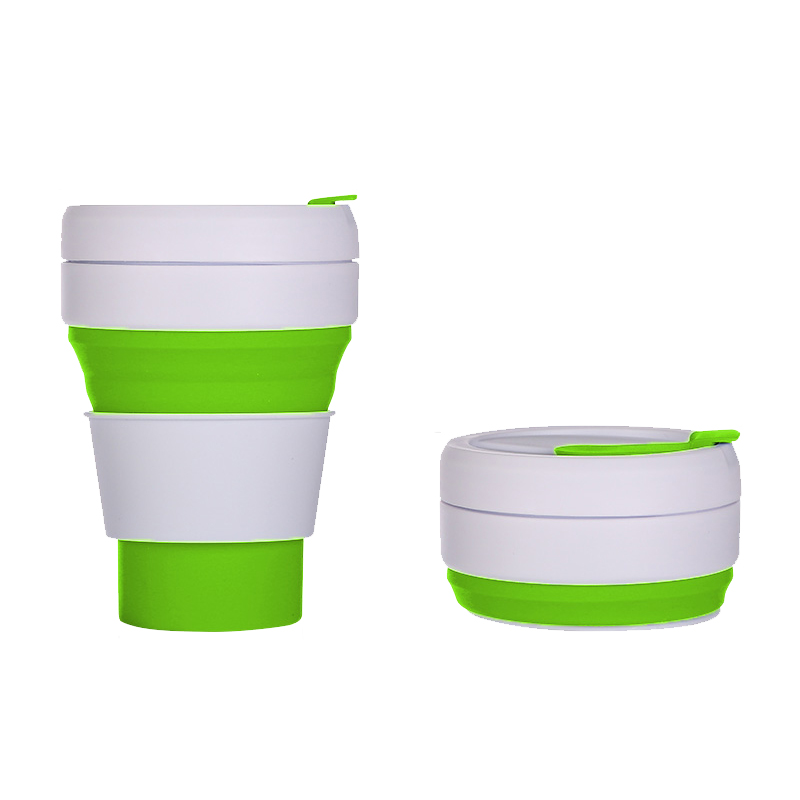
In an era where every inch of pack space counts, the demand for telescopic water bottles has surged beyond outdoor gear into corporate branding and everyday carry. Yet finding a manufacturer that truly understands compact design without compromising durability or custom branding can feel like searching for a drop in the desert. That’s where Qunhao steps in—not as another supplier, but as a specialized partner crafting collapsible hydration solutions that fold down to fit your pocket and unfold to elevate your brand. What if the next promotional product your clients actually keep wasn’t a cheap pen, but a bottle that shrinks to the size of a coffee mug and carries your logo into gyms, trails, and boardrooms alike? Read on to discover how Qunhao’s approach to telescopic water bottle customization is rewriting the rules of compact branded hydration.
The Collapsible Edge: Telescopic Bottles That Outlast Typical Promo Swag
Most promotional giveaways end up at the bottom of a drawer once the logo wears off or the material cracks. A telescopic bottle flips that pattern. Its collapsible body shrinks to a fraction of its full size, so it actually earns a spot in a bag or pocket instead of becoming clutter.
The real difference shows in the hardware. Rigid plastic promo bottles often split along seams or lose their caps after a few weeks. Telescopic models use overlapping rings and silicone seals that handle repeated expansion and compression without leaking. That kind of resilience means the bottle stays in rotation long after standard swag has been tossed.
Because it compresses flat, the bottle gets used in places rigid drinkware cannot go: trail packs, carry-on luggage, cramped desk drawers. That practical portability keeps the brand visible in everyday routines rather than fading into a forgotten pile of freebies.
Inside Our Custom Manufacturing: Tooling, Colors, and Logo Methods
Tooling starts long before any material reaches the floor. We map each cavity, core, and gate to the specific wall thickness and shrink rate of your resin, because a generic mold simply cannot hold tight tolerances across different polymers. For low-volume runs we often build aluminum prototypes to prove fill patterns, then move to hardened steel only after the part has survived a real cycle test. That step alone catches most warpage and sink issues before they become expensive.
Color is handled in-house by weighing masterbatch against the base resin rather than relying on pre-compounded pellets, which lets us shift from a matte charcoal to a warm ivory within the same shift without contaminating the line. We keep physical swatches of every production lot, so if you order again in six months, we can match the prior batch instead of starting from a Pantone approximation.
For logos and markings, the method depends on how the surface will be touched and cleaned. Recessed or raised details molded directly into the tool give the most durable result, but they add cost when text changes between regions. Pad printing suits small graphics and works well on slight curves, while laser marking is reserved for parts that must resist solvents, abrasives, or repeated sterilization. Each approach has a different edge definition, so we usually send sample plaques with your actual geometry before committing the final tool.
BPA-Free Plastics and Silicone Seals: What Actually Matters for Daily Use
Plenty of us have fallen for the BPA-free label, assuming it means the container is harmless. That reassurance often stops at the label. Many BPA-free plastics use BPS or BPF, which are chemically similar and may disrupt hormones in much the same way when they leach into food, especially under heat or with acidic contents. So the absence of BPA isn't a free pass—it's just one piece of a much larger puzzle.
Silicone seals are another area where we tend to trust the material without a second thought. But not all silicone is created equal. Cheaper seals may contain fillers or plasticizers that can release odors or substances when exposed to heat or oil. Higher-quality silicone, often platinum-cured, holds up far better over time and stays neutral in taste and smell. The real tell is how the seal behaves after a few months of daily use—does it stay smooth and springy, or does it turn sticky, cloudy, or start to crack?
For everyday use, the practical rules are simple. Avoid putting any plastic container in the microwave or dishwasher, even if the label says it's safe—heat accelerates leaching more than anything else. Check silicone seals regularly; if they feel gummy, show cracks, or retain odors no matter how much you wash them, it's time to replace them. And for hot, oily, or acidic foods, reach for glass or stainless steel instead of hoping a plastic lid or seal will do the job. Small habits like these matter far more than chasing another label claim.
Compact Enough to Carry, Custom Enough to Remember
Most carry-everyday items fight for the same pocket space, and the winners are always the ones you stop noticing. This one slips behind a phone without adding a second thought—slim enough to share space with keys and a folded receipt, yet substantial enough that you feel the pull of good leather when you reach for it.
The part that sticks, though, isn't the size. It's the small decision you made before it arrived: the initials pressed into the corner, the edge paint in a color no one else would pick, the lining only you know about. Every time it wears in, those choices deepen instead of fading, turning a useful object into a quiet record of your taste.
From Prototype to Pallet: How We Keep Lead Times Predictable
Prototype to pallet sounds simple until you watch a machining queue back up because a single tolerance was still open at week six. We front-load the uncertainty instead of hiding it. Every new part gets a design freeze date, a pilot run on the actual production line, and a go/no-go checklist that the floor supervisor signs off on. That one habit removes most of the surprises that normally sink a schedule.
Long-lead components are the other usual culprit, so we don't treat them as an afterthought. Raw material contracts are locked with two regional suppliers, and we keep a small buffer of high-risk items like custom extrusions and seals. The production schedule lives on a shared visual board, not a buried spreadsheet, and if one work cell slips, the next cell re-sequences within the same shift rather than waiting for a Monday meeting.
Customers don't get a static promise, they get a live milestone tracker and a five-line Thursday update that says what shipped, what's next, and whether any flag needs attention. It is deliberately boring, because predictability should be boring. That is how a prototype turns into a pallet without the usual last-minute scramble.
Field-Tested Hydration: Promotional Bottles That Don't Leak or Crack
Most promotional bottles give up after a few weeks in a gym bag—lids pop loose, plastic shatters on concrete, and suddenly your logo is swimming in a puddle. We skipped the cheap route and ran ours through a gauntlet of drops from tailgate height, freeze-thaw cycles, and daily commutes in overloaded backpacks. The result is a bottle that holds its seal even when tossed onto a job site or wedged under a car seat.
The lid threading and gasket get particular attention, because that is where leaks start. Instead of a single flimsy O-ring, we use a double-seal silicone collar that compresses evenly without binding. The body is thick-walled copolyester that takes hits without cracking, yet stays light enough to clip to a tool belt. Several hundred field testers used early samples for three months, and the only complaints we got were about losing them—not about drips or fractures.
FAQ
You can choose the bottle's collapsed height, the number of telescopic rings, cap style (flip-top, screw, or carabiner), and even the texture on the grip zone. We also do color-matched silicone sleeves and laser-engraved serial numbers if you want limited editions.
A 750ml bottle usually collapses to about the size of a hockey puck—roughly 7cm tall. That makes it easy to slip into a laptop bag side pocket or a jacket pocket without adding bulk.
Yes, we use food-grade, BPA-free silicone for the collapsible body and Tritan or stainless steel for the rigid rings. The bottle handles cold and warm drinks up to 60°C, but we don't recommend boiling water because it can affect the seal.
We usually quote 500 units for a fully custom mold, but if you're just starting out, we can do a 200-unit shared-mold run. The per-unit cost is higher, but it lets you validate demand before committing to a big production.
We recommend debossing or laser etching for telescopic bottles because printed logos can crack along the fold lines. If you want color, we use a stretch-resistant ink and then cure it under UV so it survives thousands of expand-collapse cycles.
No, the cap has a silicone gasket and a locking mechanism that passed a 24-hour leak test with the bottle upside down and shaken. Just make sure the rings are fully clicked into place before you close the cap.
For a 500-unit order, plan on 30 to 45 days. That includes 3D-printed samples for your approval, the production run, and sea freight to most ports. Air freight can cut that to about 20 days if you're in a rush.
Conclusion
When a branded bottle has to disappear into a backpack pocket but still hold its own through months of daily use, telescopic designs earn their place. As a manufacturer focused on compact hydration, we build collapsible bottles around the details that usually kill promotional gear: weak seals, brittle plastics, and tooling that limits color or logo choices. The collapsing mechanism itself becomes the selling point—our BPA-free plastics and silicone seals are chosen for repeated compression cycles, so the bottle doesn't crack at the fold lines or leak after being tossed in a bag. Customization runs deeper than a printed logo; we adjust tooling for colorways, surface finishes, and debossing or screen-printing methods that stay legible even when the bottle is collapsed. That way the branding doesn't just survive the product lifetime—it's part of the design from the first prototype.
Lead times stay predictable because we own the full process from prototype approval to pallet packing, with clear checkpoints instead of vague promises. Field-testing matters more than marketing claims: our telescopic bottles get dropped, refilled, collapsed, and left in hot cars before they ever reach a client. The result is a promotional item that feels less like swag and more like everyday gear—compact enough to carry daily, custom enough to be remembered, and durable enough that recipients actually keep using it. For brands that need hydration solutions as portable as their message, that combination is what turns a simple giveaway into a lasting touchpoint.
Contact Us
Contact Person: Cecilia
Email: [email protected]
Tel/WhatsApp: 8619057488653
Website: https://silwatbottle.com