
Tire Shredder Selection Guide: How to Pick the Perfect Machine for Your Needs
2026-05-14
Finding the ideal tire shredder isn’t just about horsepower or price—it’s about matching your specific waste stream to a machine that can handle it reliably. With so many options on the market, it’s easy to overlook critical factors like cutter design, throughput, and maintenance, leading to costly downtime. In this guide, we’ll walk you through what truly matters, and show you how Shengzhong Shredder addresses these challenges with purpose-built engineering that often surprises even seasoned recyclers.
What’s Your End Goal with the Shredded Rubber?
Before you order shredded rubber, it’s worth asking yourself a simple question: what’s the final destination for this material? Whether you’re building a playground, crafting a running track, or laying a decorative path, the intended use determines everything from particle size to color and grade. It’s easy to get lost in prices and volume, but the end goal is what makes the investment actually pay off. Matching the material to your vision from the start saves time, avoids on‑site surprises, and ensures you get a product that works exactly where you need it.
There’s a world of difference between rubber mulch for a riding arena and the chips mixed into an athletic surfacing system. One needs to cushion and drain, the other has to bond seamlessly and meet precise resilience standards. If you’re thinking of a backyard project, you might prioritize vibrant appearance and easy installation; for a commercial installation, consistency and performance data often carry the day. Pin down not just the general category, but the functional demands—impact absorption, longevity outdoors, resistance to mold—so you can talk specifics with a supplier instead of settling for a one‑size‑fits‑all bag.
Don’t overlook the softer, practical details either. Are you aiming for a natural look or a pop of color that won’t fade after two summers? Is the surface going to be walked on barefoot, or driven over by maintenance vehicles? Even budget plays into your end goal: sometimes a more expensive, specialized product actually costs less in the long run because it needs fewer top‑ups and repairs. Once you’re clear on these answers, buying shredded rubber stops being a generic transaction and becomes a targeted solution—one that does exactly what you had in mind from the very beginning.
Types of Tire Shredders: Which One Fits Your Operation?
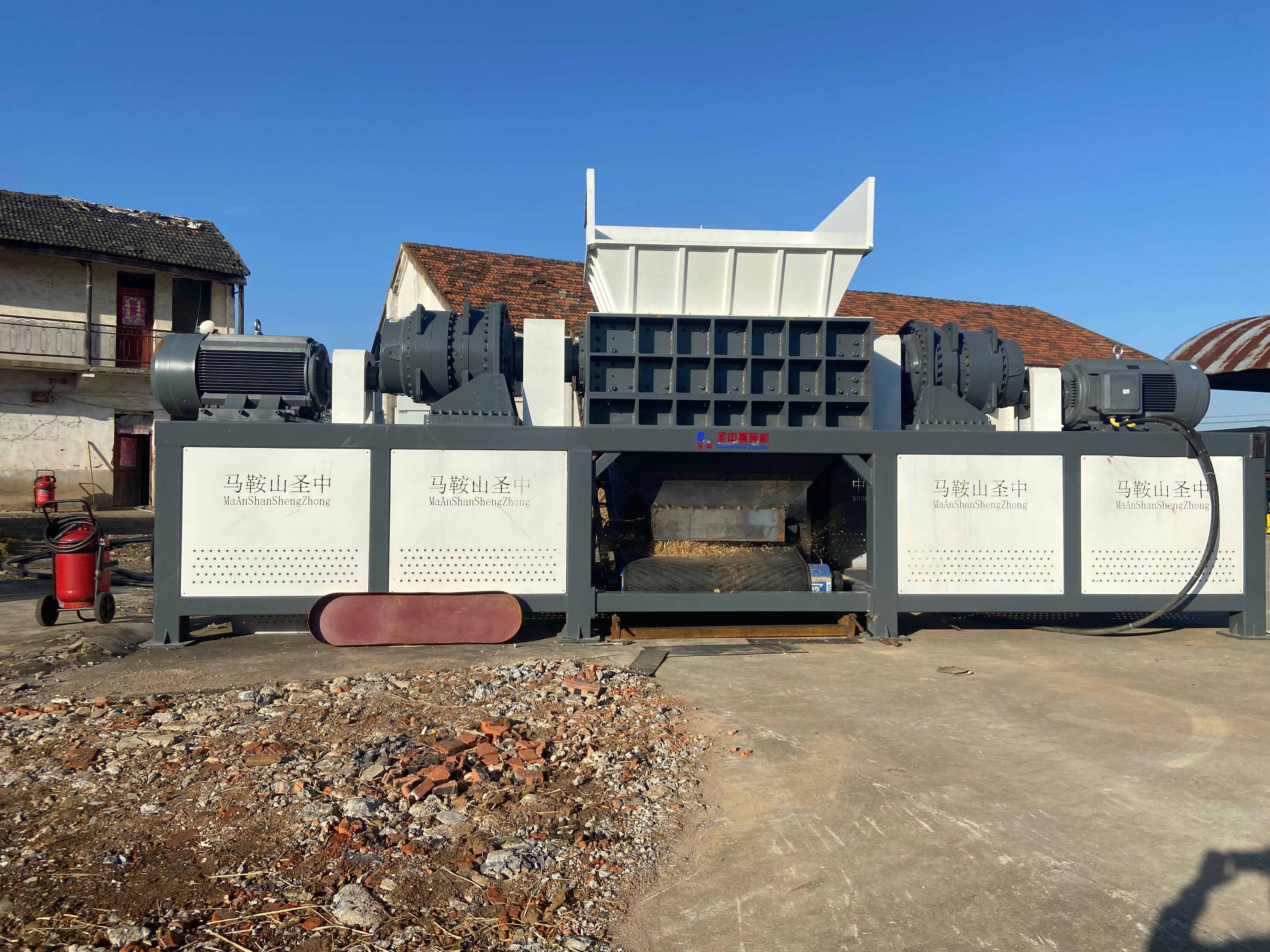
Breaking down a mountain of scrap tires isn’t a one-size-fits-all job. The machine you pick largely dictates the pace of your workflow, the quality of the end product, and even your daily fuel or electricity bill. Most operations rely on at least two distinct types of shredders working in sequence—coarse primary units to tear apart whole tires, and secondary mills to refine those chunks into uniform chips or powder.
Primary shredders, typically low-speed, high-torque machines with two counter-rotating shafts, excel at ripping through entire tires—be it passenger car, OTR, or truck tires—without overheating or jamming on steel beads. Once you have rough pieces, finer secondary systems like granulators or cracker mills come in. These units use cutting blades, knives, or rasping surfaces to achieve specific particle sizes, from quarter-inch chips to 40-mesh crumb rubber, often separating residual steel and fiber along the way.
The choice ultimately hinges on your throughput targets, the tire types you’re processing, and your end market. A high-volume facility feeding crumb rubber to the asphalt industry might pair a sturdy dual-shaft primary with a high-capacity granulator, while a smaller shop making playground mulch can often get by with a single-stage shredder and a screener. Don’t overlook maintenance access either—easy blade changes and durable wear parts keep downtime in check regardless of the machine’s horsepower.
Sizing It Right: Throughput and Space Considerations
Balancing throughput and physical footprint often feels like a tug-of-war. You want equipment that moves material swiftly enough to meet daily targets, but the floor space it consumes can throttle overall layout efficiency. The trick isn't just looking at peak rates; it's about sustained performance during real-world surges, and whether the machine's dimensions allow for proper material staging and operator movement. A leaner, well-integrated unit sometimes outperforms a larger, faster one that creates bottlenecks simply by dominating the aisle.
Consider not only the machine's static footprint but its dynamic operational clearance. Swing radii, maintenance access points, and ventilation gaps all eat into usable square footage. Meanwhile, newer compact designs can rival the throughput of bulkier predecessors by reducing travel time between tasks. Every inch saved on the floor plan is an inch you can dedicate to buffer zones or additional value-added workstations, so measuring true cost-per-throughput-in-square-feet changes the whole equation.
Built to Last: What to Look for in a Durable Shredder
Motor strength often gets all the attention, but endurance matters just as much. A durable shredder needs a motor that can handle continuous use without conking out after a few minutes. Look for units with a high continuous runtime rating—ideally 20 minutes or more—and a cool-down period that's significantly shorter. Thermal overload protection might sound like a dry spec, but it’s what keeps the machine from frying its own circuits when you’re in the middle of a paperwork purge.
Cutting blades are the obvious wear point, so steel quality and design are non-negotiable. Heat-treated, hardened steel cylinders—not just stamped metal—stand up to staples, credit cards, and the occasional paper clip without dulling. Avoid shredders where blades are riveted or glued in place; one jam on a thick envelope can knock a tooth loose and create a weak spot that worsens with every use. A self-lubricating mechanism is a quiet but valuable bonus, automatically oiling the cutting head so you don’t have to remember.
Physical build counts for a lot. A narrow throat forces you to fold and fuss with documents, inviting jams, so opt for a wide feed slot that comfortably accepts A4 paper without bending. The chassis should feel solid and weighted, not hollow plastic that vibrates across the floor when a heavy load passes through. Jam clearance is another practical point—some models have a cramped internal layout that turns minor obstruction into a disassembly project. A simple reverse button and an accessible sensor port make the difference between a two-second fix and a service call.
Beyond the Price Tag: Total Cost of Ownership
When you first glance at a product’s price, it’s easy to assume that’s the full story. But the real expense often reveals itself over time. A cheap printer, for instance, might cost next to nothing upfront, yet the ink can drain your wallet month after month. That’s why looking beyond the initial figure matters—what you actually pay stretches across maintenance, energy use, upgrades, and even eventual disposal.
Total cost of ownership isn’t just for big-ticket items like cars or machinery; it sneaks into everyday decisions. Think about that bargain appliance you bought last year. Sure, you saved at checkout, but if it guzzles electricity or breaks down constantly, those small pains add up. Savvy buyers know to factor in lifespan, efficiency, and support—because a seemingly steeper price tag can sometimes hide a lot less hassle down the road.
The trick is to ask the right questions before you commit. How long will this thing actually last? What does a repair cost, and how often will it happen? Are there hidden subscriptions or required accessories? Shifting your focus from sticker shock to the full financial picture turns you from a passive spender into a strategic one. And in a world loaded with clever marketing, that shift is your best defense against unexpected drain on your bank account.
Safety First: Meeting Regulations and Protecting Your Team
Staying compliant isn’t just about checking boxes—it’s the foundation of a workplace where people genuinely feel safe. When you dig into the details of local and federal regulations, you’ll often find they exist because someone, somewhere, learned a hard lesson. Integrating those standards into daily operations means going beyond the minimum: using up-to-date equipment, running regular scenario-based drills, and making it easy for everyone to speak up when something feels off. Small actions, like keeping pathways clear or double-checking labels on hazardous materials, often prevent the kind of incidents that nobody sees coming.
Protecting your team means recognizing that safety isn’t static—new risks appear as processes evolve. The best protection comes from blending formal protocols with human awareness. That could be as simple as starting each shift with a five-minute weather check for outdoor crews or rotating tasks during high-heat periods. It’s also about giving people simple tools to protect themselves, like ergonomic assessments for desk workers or slip-resistant flooring in messy areas, without making the procedures feel like a burden.
Accountability works best when it feels collaborative rather than top-down. Instead of relying solely on audits, try building small peer-check habits—like having a partner verify harness fittings before a climb or swapping inspection zones each week. When everyone owns a piece of safety, compliance becomes part of the team’s rhythm rather than a separate demand. That cultural shift not only meets regulations but changes how people watch out for each other long after the training videos end.
FAQ
Start by nailing down the exact output size you need. For rough mulch, a primary shredder might cut it, but fine rubber crumb requires a multi-stage system. Oversizing or undersizing the machine here will cost you both time and material.
Twin-shaft shredders eat through whole tires and heavy-duty scrap with less kickback, while single-shaft units offer more control over particle size and are easier on the wallet for smaller volumes. Think about your feedstock and how uniform you need the end result.
Definitely. Passenger car tires are softer and more consistent. Off-the-road (OTR) or truck tires are thicker, often have steel belts, and can wreck an undersized machine. Always check the shredder’s spec for maximum tire diameter and steel content tolerance.
Blade wear is enemy number one. Look for machines with quick-change knife systems and easy access to the cutting chamber. If you’re processing high volumes, consider water-cooled shafts or hard-facing on the rotors to stretch intervals between rebuilds.
It can make or break productivity. A ram-fed hopper with a load-sensing mechanism keeps the shredder at peak torque without constant operator babysitting. For continuous operation, a conveyor infeed often beats batch-feeding by a wide margin.
Quoted pounds per hour usually assume clean, pre-cut tires and ideal conditions. Knock 20-30% off the brochure number for real-world throughput, especially if you’re dealing with mixed scrap or varying moisture levels.
Installation and power infrastructure can rival the machine cost. You might need a dedicated foundation, dust extraction, and soundproofing. Always get a full site prep quote before signing the order, and budget for spare knives from day one.
Conclusion
Choosing a tire shredder isn't just about picking a machine off a list—it starts with a clear picture of what you'll do with the output. Are you after coarse chips for tire-derived fuel, or does your process call for fine, consistent crumb rubber for molded products? That answer narrows the field immediately, guiding you toward the right cutting chamber design and power. Next, consider how much volume you'll push through each day and the footprint you can spare. A compact single-shaft unit might handle moderate loads, while a dual-shaft shear shredder tackles heavy flows with less dust. Matching capacity to actual need avoids bottlenecking your line or overspending on oversized gear.
Beyond the spec sheet, durability comes down to what you can't see at first glance—rotor construction, seal integrity, and how easily wear parts can be swapped. Machines with hardened steel rotors and accessible anvils keep maintenance simple and downtime short. Then there's the financial side: a low sticker price often hides high energy consumption, frequent blade changes, or limited support. Looking at total cost over five years paints a truer picture. And crucially, don't let safety become an afterthought. Modern shredders integrate emergency stops, fire suppression readiness, and dust extraction to meet regulations without hampering workflow. A safe, well-built machine protects both your crew and your reputation.
Contact Us
Contact Person: Leon
Email: [email protected]
Tel/WhatsApp: 8615385558866
Website: https://www.shred-waste.com