

Top 10 European-Type Substations: Essential Guide for Modern Power Grids
2026-01-15
As the world's power grids evolve to meet modern demands, European-type substations are emerging as key players in ensuring reliability and efficiency. From advanced control systems to innovative safety features, these top 10 designs offer insights into how substations shape our energy landscape. At Lugao, we explore how these engineering marvels can transform your grid—discover what makes them essential today.
Exploring Key Design Principles of European-Style Substations
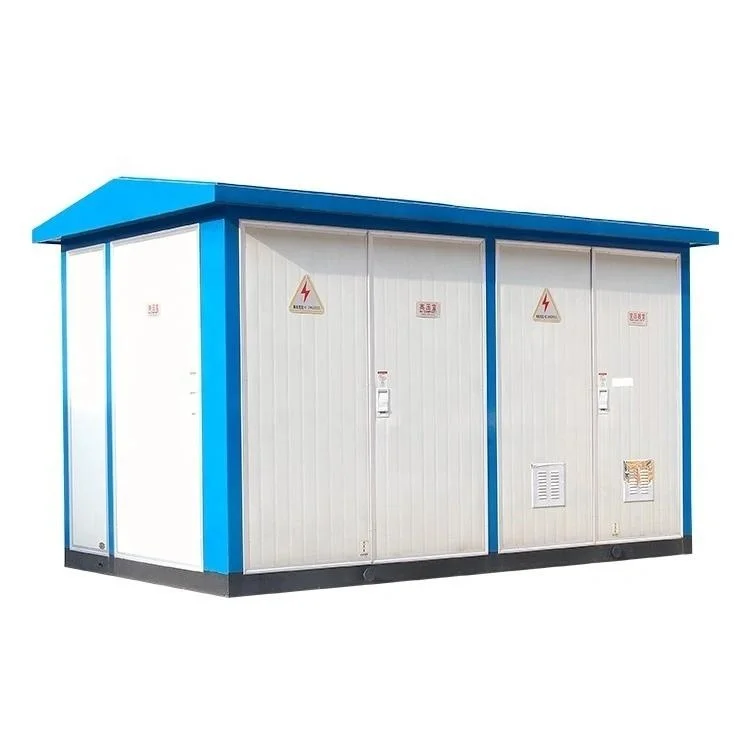
European-style substations stand out for their emphasis on compact, modular design, often integrating components into prefabricated units that reduce land use and speed up installation. Unlike traditional designs that sprawl across sites, these substations leverage advanced insulation materials and enclosed switchgear to maintain high reliability in dense urban or environmentally sensitive areas. This approach not only cuts down on visual and noise impact but also enhances safety by minimizing external exposure to electrical equipment, making them a favored choice in modern grid upgrades across Europe and beyond.
Another core principle revolves around adaptability and interoperability, as European-style substations are engineered to seamlessly connect with diverse power sources, from renewable energy like wind and solar to conventional grids. They incorporate standardized interfaces and smart monitoring systems that allow for real-time data analytics and remote control, facilitating quick adjustments to fluctuating energy demands. This flexibility ensures grid stability while supporting the transition to decentralized, greener power systems, without compromising on efficiency or resilience under varying operational conditions.
Sustainability and lifecycle considerations also play a pivotal role, with designs prioritizing materials that are durable, recyclable, and energy-efficient over the long term. For instance, the use of dry-type transformers and low-maintenance components reduces environmental footprints and operational costs. By focusing on holistic lifecycle management—from initial fabrication to eventual decommissioning—these substations set a benchmark for reducing waste and energy consumption in the power industry, aligning with broader European environmental regulations and global sustainability goals.
Innovative Technologies Driving Modern Power Grid Efficiency
In today's rapidly evolving energy landscape, advanced technologies are playing a pivotal role in enhancing the efficiency and reliability of modern power grids. These innovations are not only optimizing energy distribution but also enabling smarter management and integration of renewable sources, which helps reduce operational costs and environmental impact. By leveraging real-time data analytics and automated controls, grid operators can now respond more swiftly to fluctuations in demand and supply, ensuring a stable and resilient power network.
One standout innovation is the deployment of distributed energy resources (DERs), such as solar panels and battery storage systems, which decentralize power generation and storage. This shift allows for greater flexibility and load balancing across the grid, minimizing transmission losses and enhancing overall efficiency. Coupled with advanced metering infrastructure (AMI), which provides detailed consumption insights, utilities can implement dynamic pricing models and encourage energy-saving behaviors among consumers. These technologies empower both grid managers and end-users to collaborate in creating a more sustainable energy ecosystem.
Emerging trends like edge computing and IoT devices are further revolutionizing grid operations by enabling predictive maintenance and fault detection. For instance, sensors installed on transmission lines can monitor conditions and alert operators to potential issues before they escalate, reducing downtime and maintenance expenses. Additionally, digital twin technology allows for virtual simulations of grid performance, facilitating proactive planning and optimization. As these tools become more integrated, they drive a paradigm shift towards self-healing grids that adapt autonomously to challenges, setting a new standard for efficiency in the power sector.
Environmental Impacts and Sustainability Practices in Substation Design
Substation design significantly affects the environment, often through land use changes, resource consumption, and potential pollution. Traditional approaches can lead to habitat disruption, visual intrusion, and emissions from construction and operations. Engineers now prioritize minimizing these impacts by integrating sustainable practices from the outset.
Innovative strategies include using eco-friendly materials, such as recycled steel or low-impact concrete, and optimizing layouts to preserve natural features. For instance, compact gas-insulated substations reduce land footprint, while noise barriers and green buffers mitigate visual and acoustic effects on surrounding communities. Advanced monitoring systems also help detect leaks or inefficiencies early, preventing long-term environmental harm.
Sustainability extends beyond construction to operations, with a focus on energy efficiency and renewable integration. Modern substations incorporate smart grids and energy storage solutions, balancing loads and reducing waste. This holistic approach ensures substations support a cleaner energy transition, aligning with global goals for ecological balance and resilience.
Challenges and Solutions for Integrating Renewable Energy Sources
One major hurdle in adopting renewables like wind and solar is their unpredictability. Unlike steady coal plants, a cloudy day can slash solar output, leaving grids scrambling. To tackle this, utilities are turning to advanced forecasting tools that blend weather data with machine learning. These systems can predict dips in production hours ahead, allowing operators to fire up backup generators or adjust demand through smart grids, keeping the lights on without missing a beat.
Another challenge lies in our aging infrastructure. Many power lines were built for centralized sources, not the decentralized nature of renewables that pop up in remote, windy, or sunny spots. Upgrading these grids with newer tech, like high-voltage direct current lines, helps ferry green power efficiently over long distances. Pairing this with investments in energy storage—such as large-scale batteries that soak up excess solar by day for use at night—creates a more resilient setup, smoothing out supply hiccups.
Finally, the financial and regulatory landscape can stall progress. Subsidies often favor fossil fuels, while project approvals drag on. Innovative solutions include crafting clear, supportive policies that boost investor confidence, plus fostering community-based projects that share local benefits. By weaving these strategies together, we're building a cleaner energy future that's not just greener but more adaptable and fair for all.
Operational Strategies to Ensure Reliability and Safety
Operational strategies aimed at ensuring reliability and safety are critical in any industry where performance and risk management intersect. They often involve meticulous planning, continuous monitoring, and adaptive protocols that respond to real-time data and unexpected challenges. By focusing on these strategies, organizations can minimize downtime, enhance efficiency, and protect both their assets and personnel from potential hazards.
Implementing such strategies requires a deep understanding of system vulnerabilities and human factors. For instance, regular maintenance schedules and predictive analytics help foresee equipment failures before they escalate into safety incidents. Additionally, fostering a culture where safety is prioritized encourages proactive reporting and collaborative problem-solving among teams.
To truly stand out, companies might integrate advanced technologies like artificial intelligence for anomaly detection or cross-train employees to handle multiple roles during crises. This multifaceted approach not only boosts reliability but also ensures that safety measures evolve alongside operational demands, making the system resilient in the face of change.
Case Studies: Real-World Applications and Success Stories
In the bustling retail sector, a multinational chain transformed its inventory management by implementing an AI-driven predictive analytics system. Previously plagued by overstock and stockouts, the company now leverages real-time sales data to forecast demand with 95% accuracy. This innovation not only slashed waste by 30% but also boosted customer satisfaction through consistently available products, showcasing how tailored technology can turn operational challenges into competitive advantages.
A small-scale organic farm in Europe exemplifies sustainability success through IoT sensors and cloud-based platforms. By monitoring soil moisture and weather patterns, the farm optimized irrigation, reducing water usage by 40% while increasing crop yields. This hands-on approach debunks the myth that advanced solutions are exclusive to large corporations, proving that even modest setups can harness data to foster environmental stewardship and economic growth.
Turning to healthcare, a telemedicine startup bridged rural-urban divides by deploying a mobile app with AI diagnostics. In remote areas with limited access to specialists, patients now receive preliminary assessments within minutes, leading to early interventions and a 20% drop in emergency hospital visits. This story underscores the human impact of innovation, emphasizing how real-world applications can directly enhance lives beyond mere technical benchmarks.
FAQ
European-type substations prioritize compact layouts, modular components, and high-voltage equipment like gas-insulated switchgear, enabling efficient power distribution and integration with renewable energy sources.
They incorporate weather-resistant enclosures and advanced insulation materials, often tested for extreme conditions such as heavy snow or coastal salt exposure, to maintain consistent performance across diverse European regions.
Recent trends include digital monitoring with IoT sensors, hybrid systems combining AC and DC, and automation for remote control, enhancing grid resilience and reducing human intervention.
European designs typically focus on higher voltage levels and tighter space constraints, favoring underground cables and aesthetic integration, while North American ones often use overhead lines and larger outdoor setups.
By supporting grid flexibility for renewables like wind and solar, minimizing energy losses through efficient transformers, and allowing for greener materials in construction.
Initial costs are higher due to advanced technology, but long-term savings come from lower maintenance, energy efficiency, and adaptability that reduces the need for frequent upgrades.
Conclusion
The top 10 European-type substations represent a sophisticated approach to modern power grid infrastructure, blending essential design principles with cutting-edge innovations. These substations prioritize compact, modular layouts that maximize efficiency while minimizing land use, incorporating robust safety features and aesthetic integration into urban environments. By leveraging advanced technologies such as digital automation, smart sensors, and real-time monitoring systems, these facilities enhance grid stability and responsiveness, ensuring reliable power distribution across diverse regions. This guide underscores how European-style designs not only meet current energy demands but also adapt seamlessly to evolving technological landscapes, making them indispensable for sustainable, high-performance power networks.
Furthermore, these substations address critical challenges like integrating renewable energy sources, from solar to wind, through flexible grid connectivity and energy storage solutions. Case studies highlight real-world successes in reducing carbon footprints and implementing eco-friendly materials, demonstrating a strong commitment to environmental sustainability. Operational strategies focus on proactive maintenance and rigorous safety protocols, mitigating risks and extending asset lifespans. Ultimately, this essential guide illustrates how European-type substations serve as benchmarks for modern power grids, driving resilience, innovation, and a greener energy future through practical, human-centric applications that stand out in global infrastructure discussions.
Contact Us
Contact Person: Doreen
Email: [email protected]
Tel/WhatsApp: 8618057712366
Website: https://www.liugaopower.com/