

Top Conveyor Pulley Supplier: Choosing the Best for Your Industrial Needs
2026-04-08
In the complex world of industrial machinery, the right top conveyor pulley isn't just a component—it's a cornerstone of efficiency and reliability. At XAN, we specialize in crafting high-performance pulleys that drive productivity and minimize downtime. As you navigate the crowded market of suppliers, making an informed choice can feel overwhelming. This blog will guide you through essential factors to consider, from durability to customization, ensuring you select the best pulley for your specific needs. Discover why XAN stands out as a leader in innovation and quality. Let's explore how the right pulley can transform your operations and keep your systems running smoothly.
Understanding Conveyor Pulley Types: Key Features and Applications
Conveyor pulleys are crucial components in material handling systems, each designed with specific features to optimize performance and durability. Key types include drive pulleys, which provide the primary power to move the conveyor belt, often featuring lagging for enhanced traction, and tail pulleys, located at the end of the conveyor to guide and tension the belt. Other common types are bend pulleys, used to change the belt's direction smoothly, and snub pulleys, which increase the wrap angle around the drive pulley for better grip. Features such as diameter, shaft design, and lagging materials (like rubber or ceramic) are tailored to handle different loads, speeds, and environmental conditions, ensuring efficient operation in diverse settings from mining to packaging.
Applications of these pulleys vary widely based on their types and features. Drive pulleys are essential in high-torque industries like aggregate processing, where heavy loads require reliable power transmission. Tail and bend pulleys find use in conveyor systems with complex routing, such as in distribution centers, to minimize belt wear and prevent misalignment. For harsh environments, pulleys with corrosion-resistant coatings or heat-resistant lagging are employed in chemical plants or outdoor installations, while smaller snub pulleys might be integrated into automated assembly lines to maintain precise belt control. Understanding these applications helps operators select the right pulley to reduce downtime and extend equipment life, making systems more cost-effective and adaptable to specific operational demands.
Factors to Consider When Selecting a High-Quality Pulley Supplier
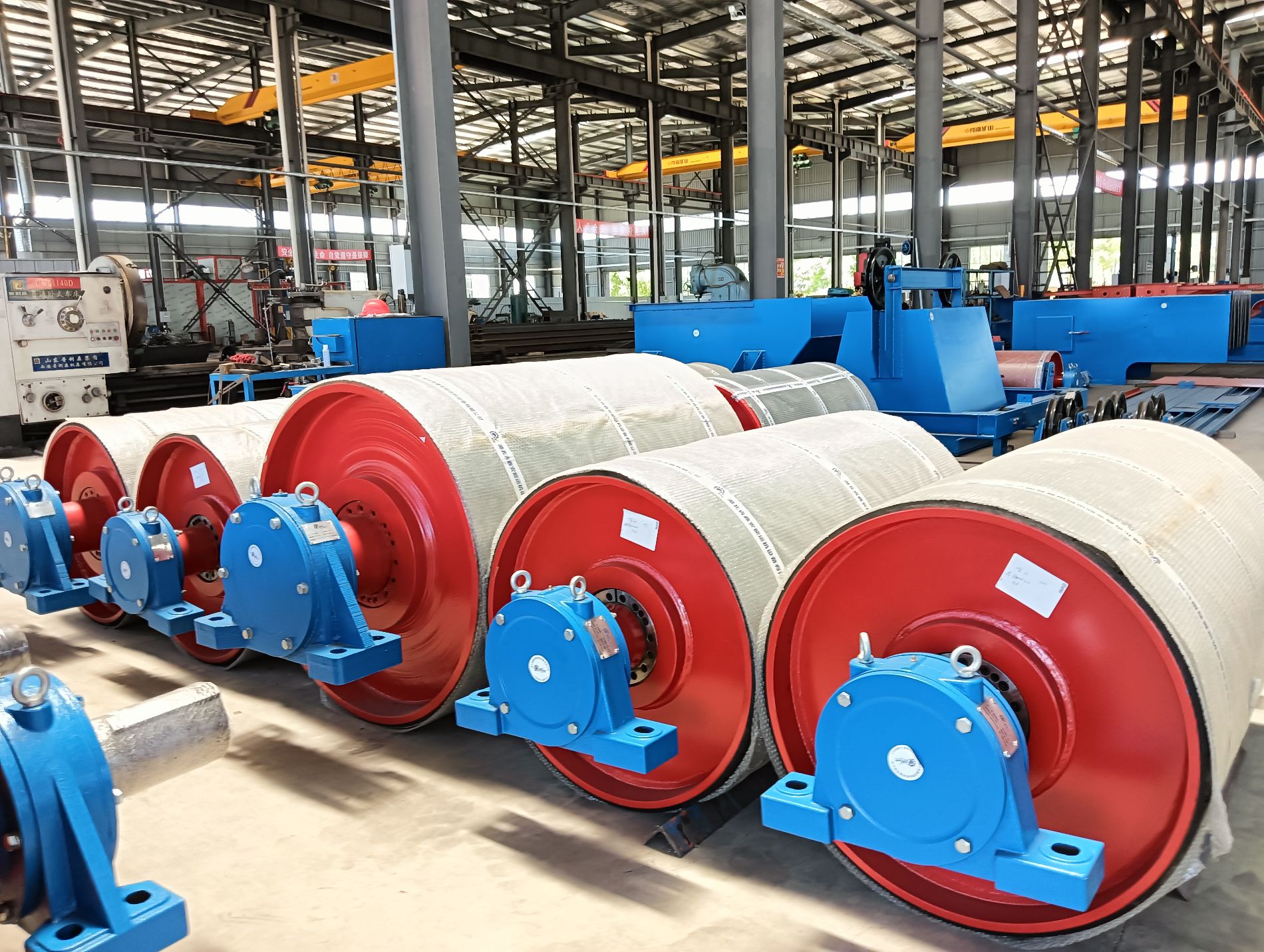
When searching for a pulley supplier, it's crucial to delve into their product range and customization options. A reliable supplier typically offers a diverse selection of pulleys tailored to various applications, from industrial machinery to fitness equipment. Look for suppliers that provide detailed specifications and are willing to accommodate specific design changes, ensuring that the pulleys meet your exact operational needs.
Consider the supplier's material quality and manufacturing processes. High-quality pulleys often involve robust materials like stainless steel or reinforced polymers, combined with precision engineering to minimize wear and tear. Checking for certifications, such as ISO standards, can indicate a commitment to consistent production quality, which is vital for long-term performance and safety in your projects.
Finally, assess the supplier's customer service and support network. A top-notch supplier will offer responsive communication, timely delivery, and after-sales assistance, including technical guidance or troubleshooting. Building a partnership with a supplier who prioritizes your satisfaction can streamline procurement and enhance the reliability of your supply chain.
Custom Pulley Solutions: Tailoring Designs for Specific Industries
Industries across the board have unique operational demands, and off-the-shelf pulley systems often fall short when precision and efficiency are paramount. Custom pulley solutions step in to bridge this gap, offering tailored designs that address specific challenges in fields like manufacturing, agriculture, and aerospace. By collaborating closely with engineers, companies can develop pulleys that precisely match load requirements, environmental conditions, and space constraints. This bespoke approach not only enhances performance but also extends equipment lifespan by reducing wear and tear from ill-fitting components. Whether it's a pulley for a high-speed conveyor in a food processing plant or one that withstands corrosive marine environments, customization ensures every detail is optimized for real-world application.
What sets these custom solutions apart is the deep integration of industry-specific knowledge into the design process. For instance, in the mining sector, pulleys must handle immense loads and abrasive materials, leading to designs with reinforced materials and specialized coatings to prevent failure under stress. In contrast, the pharmaceutical industry might prioritize smooth, contamination-free operation, spurring innovations in materials like stainless steel and precision machining. This attention to nuance means that each pulley isn't just a generic part but a critical component engineered to boost productivity and safety, reflecting a commitment to solving unique problems rather than offering one-size-fits-all answers.
The tangible benefits extend beyond mere functionality, translating into cost savings and competitive advantages for businesses. By reducing downtime through reliable, custom-fit pulleys, companies can maintain steady production flows and avoid costly repairs. Moreover, these tailored designs often incorporate energy-efficient features, such as optimized belt alignment, which lowers power consumption. In a world where efficiency drives success, investing in custom pulley solutions becomes a strategic move, enabling industries to innovate and adapt swiftly to changing demands. Ultimately, it's about crafting components that not only meet but exceed expectations, fostering long-term partnerships and setting new standards in engineering excellence.
Maintenance Tips for Long-Lasting Performance of Conveyor Pulleys
Regular inspections are crucial for preventing unexpected failures in conveyor pulleys. Start by checking for visible signs of wear, such as grooves or pitting on the pulley surface, which can lead to belt slippage or damage. Also, pay attention to any unusual noises or vibrations during operation, as these often indicate misalignment or bearing issues. A thorough visual and auditory check every few weeks can catch minor problems before they escalate, saving you time and money on repairs.
Proper lubrication is often overlooked but essential for extending pulley life. Use high-quality grease suited for the pulley's environment, especially in dusty or humid conditions, to prevent corrosion and reduce friction in the bearings. Over-lubrication can attract debris and cause buildup, so apply grease sparingly and according to the manufacturer's guidelines. Regularly clean grease fittings to avoid contamination, ensuring smooth rotation and minimizing heat buildup that can wear down components prematurely.
Aligning conveyor pulleys correctly is a game-changer for long-term efficiency. Misalignment not only accelerates belt wear but also increases energy consumption and strain on the entire system. Use precision tools like laser alignment devices to ensure pulleys are perfectly parallel and centered, adjusting as needed during routine maintenance. This proactive step helps maintain consistent belt tracking, reduces stress on bearings, and can significantly boost the pulley's operational lifespan while keeping your conveyor running smoothly with fewer interruptions.
Innovations in Pulley Manufacturing: Enhancing Efficiency and Durability
In the evolving landscape of mechanical systems, pulley manufacturing has seen remarkable advancements aimed at boosting both efficiency and durability. Engineers are now leveraging materials like advanced composites and high-strength alloys to reduce weight while increasing load-bearing capacities, resulting in pulleys that minimize energy loss and wear over time.
Beyond material improvements, modern manufacturing techniques such as precision CNC machining and additive manufacturing allow for complex, optimized designs that enhance aerodynamic flow and reduce friction. These innovations not only extend the lifespan of pulleys but also contribute to smoother, quieter operations in applications ranging from industrial machinery to automotive systems.
Additionally, smart technologies are being integrated into pulley systems, with embedded sensors that monitor performance in real-time, enabling predictive maintenance and further boosting reliability. This holistic approach ensures that today's pulleys are not only more robust but also smarter, adapting to dynamic operational demands for sustained efficiency.
Case Studies: Success Stories from Leading Industrial Projects
In the competitive landscape of industrial sectors, success stories offer invaluable lessons on turning ambitious goals into tangible outcomes. Take, for example, a recent project where a major manufacturing firm overhauled its supply chain using AI-driven analytics. By integrating real-time data from sensors and IoT devices, they slashed downtime by 30% and boosted operational efficiency, all while maintaining stringent safety standards. This case isn't just about technology; it's a testament to strategic foresight and adaptability, proving that even established industries can thrive through innovation.
Another standout example comes from the renewable energy field, where a wind farm initiative exceeded expectations by leveraging predictive maintenance tools. Instead of relying on reactive repairs, the team utilized machine learning algorithms to forecast equipment failures months in advance, reducing maintenance costs by 25% and increasing energy output. This success story underscores how data-driven approaches can transform traditional practices, turning potential setbacks into opportunities for growth and sustainability.
Beyond individual achievements, these case studies collectively highlight a shift toward collaborative ecosystems in industrial projects. In one instance, multiple stakeholders—from engineers to logistics providers—joined forces to design a modular factory that could scale rapidly in response to market demands. The result was a 40% reduction in deployment time and enhanced flexibility. Such stories demonstrate that success isn't just measured in metrics but in fostering partnerships that drive innovation forward, setting new benchmarks for the entire industry.
FAQ
Look for suppliers with proven experience in your industry, high-quality materials like durable steel or rubber coatings, and certifications for safety standards. Check their customer reviews and after-sales support to ensure reliable service and minimal downtime.
A reputable supplier offers pulleys designed for longevity and efficiency, such as impact-resistant models that minimize wear and tear. This reduces frequent replacements and maintenance, leading to lower labor costs and increased productivity over time.
Yes, many top suppliers provide custom options tailored to specific applications, like unique sizes or coatings for harsh environments. Customization enhances performance, improves fit with existing systems, and can boost overall conveyor reliability and safety.
Common issues include misalignment, bearing failures, and surface wear. A reliable supplier offers pulleys with easy-access designs for inspection, high-quality sealing to prevent contamination, and provides guidance on preventive maintenance schedules to extend lifespan.
Request samples or case studies demonstrating performance in similar conditions, test materials for corrosion resistance, and verify warranties. Compare load capacities and design features, such as reinforced hubs, to gauge long-term durability under your operational stresses.
Many suppliers offer technical support, including installation manuals, on-site assistance, or partnerships with installation experts. They can help ensure proper alignment and compatibility, reducing setup time and preventing operational issues from the start.
Innovative suppliers invest in R&D to develop pulleys with advanced features like self-cleaning designs, energy-efficient bearings, or smart sensors for monitoring wear. This drives improvements in efficiency, safety, and can provide a competitive edge in industrial operations.
Sustainability is increasingly vital; top suppliers may offer pulleys made from recycled materials, energy-efficient models that reduce power consumption, or designs that facilitate easier recycling at end-of-life. Choosing such options supports environmental goals and can align with corporate sustainability initiatives.
Conclusion
In the industrial landscape, selecting the top conveyor pulley supplier hinges on a deep understanding of pulley types and their specific applications, from heavy-duty mining operations to precise manufacturing lines. Key factors like material quality, customization capabilities, and supplier reliability are paramount, ensuring pulleys meet exact operational demands and withstand rigorous environments. By integrating these considerations, businesses can secure tailored solutions that optimize performance and durability.
Maintenance practices and innovative manufacturing techniques further enhance pulley longevity and efficiency, exemplified in real-world case studies where custom designs and advanced materials drive success. This holistic approach—from initial selection to ongoing upkeep and embracing technological advancements—ensures that industrial needs are met with robust, reliable conveyor systems, positioning suppliers as strategic partners in operational excellence.
Contact Us
Contact Person: Anna Lu
Email: [email protected]
Tel/WhatsApp: 8618561668850
Website: https://www.x-conveyor.com