
Water Flow Detector: Discover The Best Solutions For Detecting And Monitoring Water Flow
2026-01-03
Water flow is the lifeblood of many systems, from industrial processes to home plumbing. Yet, unnoticed leaks or irregular flow can lead to costly damage, wasted resources, and operational headaches. That’s where a reliable water flow detector comes in—but with so many options available, how do you find the best solution for your needs? In this blog, we’ll dive into the essentials of detecting and monitoring water flow, exploring key technologies and practical tips to help you make an informed choice. At DRIFCO, we’re passionate about providing cutting-edge tools that ensure efficiency and safety. Whether you’re a professional or a DIY enthusiast, get ready to discover how the right detector can transform your approach to water management and prevent problems before they start.
How Water Flow Detectors Help Prevent Costly Leaks in Your Home
Water flow detectors are innovative devices that monitor water usage in your home, alerting you to unusual patterns that could indicate leaks. By tracking flow rates, they can quickly identify problems like dripping faucets or burst pipes, allowing you to address issues before they escalate into major water damage. This early detection not only saves you from costly repairs but also helps conserve water, reducing your utility bills and environmental impact.
Installing a water flow detector is straightforward and integrates seamlessly with smart home systems, providing real-time notifications through apps or alerts. It caters to modern lifestyles by offering peace of mind, especially when you're away, ensuring that minor leaks don't turn into disasters requiring extensive remediation. This proactive approach transforms how homeowners manage water safety, making it an essential tool for any household looking to protect its investment.
Beyond just leak prevention, advanced models can analyze usage over time to suggest optimizations, such as fixing inefficient appliances or adjusting habits to further cut costs. By combining technology with practical benefits, water flow detectors empower users to take control of their home's water health, fostering a culture of sustainability and smart living that stands out in today's market.
Top Features to Look For When Choosing a Water Flow Monitoring Device
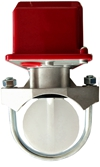
When picking a water flow monitoring device, accuracy should top your list. Look for models with low measurement error, often expressed as a percentage of full scale; for critical applications like industrial processes or leak detection, a device with ±1% accuracy or better can prevent costly inefficiencies or water waste. Consider how factors like temperature changes, pipe size, and fluid composition might affect readings, and check if the device includes built-in compensation features to maintain reliability under varying conditions.
Durability and compatibility are equally vital features. Opt for devices made from corrosion-resistant materials like stainless steel or specialized polymers, especially if they'll be used in harsh environments or with treated water. Ensure the sensor type—such as ultrasonic, electromagnetic, or turbine—matches your specific setup, whether it's for residential plumbing, agricultural irrigation, or municipal water systems, as this impacts installation ease and long-term performance without constant recalibration.
Don't overlook connectivity and data management capabilities in modern devices. Many now offer real-time monitoring via wireless protocols like Bluetooth or Wi-Fi, allowing remote access to flow data through mobile apps or cloud platforms. This can simplify maintenance by alerting you to anomalies instantly, and some models even integrate with smart home or IoT systems for automated control, making them a smarter investment for proactive water management.
Real-World Applications of Water Flow Detection in Residential and Commercial Settings
Let's cut to the chase: water flow detection isn't just about finding leaks anymore. In homes, it's becoming the backbone of smart water management. Think about a system that doesn't just alert you to a burst pipe but learns your daily usage patterns. It can flag unusual activity, like a toilet running overnight or a garden hose left on, saving thousands of gallons annually. For homeowners, this translates into lower utility bills and peace of mind, especially when away on vacation. These devices often integrate with home automation platforms, allowing remote shut-off via smartphone apps – a modern twist on traditional plumbing.
On the commercial side, water flow detection takes on a more strategic role. Large facilities, such as hotels or office buildings, use these systems to monitor extensive plumbing networks in real-time. By analyzing flow rates and pressure data, they can pinpoint inefficiencies, like a malfunctioning cooling tower or an unnoticed leak in a basement pipe. This proactive approach not only prevents costly water damage and downtime but also supports sustainability goals by reducing waste. In industries like manufacturing or agriculture, precise flow monitoring ensures optimal water use for processes or irrigation, directly impacting operational costs and environmental compliance.
What truly sets this technology apart is its adaptability across contexts. In residential settings, it's about convenience and cost savings, with user-friendly interfaces and alerts. In commercial applications, it scales up to handle complex data analytics, integrating with building management systems for comprehensive oversight. This dual functionality highlights how water flow detection evolves from a simple safety feature to a critical tool for efficiency and conservation, whether in a single-family home or a sprawling industrial complex.
Installation Tips for Setting Up Your Water Flow Detector Efficiently
Getting your water flow detector up and running doesn't have to be a hassle—start by picking the right spot. Look for a section of pipe that's straight and free from elbows or valves for at least 5-10 diameters on each side of the sensor. This ensures accurate readings by minimizing turbulence, which can throw off measurements. Make sure the area is accessible for future checks and maintenance, avoiding cramped corners or places prone to extreme temperatures. A little planning here saves you from rework and helps keep your system reliable from day one.
Once you've nailed the location, focus on proper mounting to avoid common pitfalls. Clean the pipe surface thoroughly with a degreaser and some fine sandpaper to remove any rust or debris, ensuring a tight seal for the sensor. Use the supplied clamp or bracket to secure it firmly, but don't overtighten—this can damage the sensor or distort the pipe, leading to inaccurate data. Double-check the alignment with the flow direction marked on the device; a misaligned sensor might still work but often gives inconsistent results. Taking these extra minutes upfront boosts efficiency and cuts down on false alarms down the line.
After installation, don't just walk away—test it out to confirm everything's working smoothly. Turn on the water flow gradually and monitor the detector's output, whether it's a digital display or connected app, to see if readings match expected flow rates. Look for any leaks around the mounting point and listen for unusual noises that could signal issues. Run a few cycles at different flow levels to ensure consistency, and if you spot discrepancies, recheck the mounting or consult the manual. This final step wraps up the setup efficiently, giving you peace of mind and a detector ready to handle real-world conditions.
Comparing Different Types of Water Flow Sensors: Which One Fits Your Needs?
When you're on the hunt for the right water flow sensor, it's easy to get overwhelmed by the variety available. From mechanical sensors, like paddlewheel types, which have been around for ages and rely on moving parts to measure flow, to more modern options such as ultrasonic sensors that use sound waves for non-invasive readings, each has its own niche. Mechanical sensors are often budget-friendly and straightforward, making them a go-to for basic applications like monitoring water usage in residential settings or simple industrial processes. However, they might not be the best fit if you're dealing with dirty water or need high precision, as wear and tear can affect their accuracy over time. On the other hand, ultrasonic sensors shine in situations where you can't afford to interrupt the flow or when dealing with corrosive fluids, since they don't come into direct contact with the water. They tend to be more expensive but offer long-term reliability and minimal maintenance, which can be a game-changer for critical systems in wastewater treatment or pharmaceutical manufacturing.
Diving deeper into the specifics, another key player is the electromagnetic flow sensor, which works by inducing a voltage in a conductive fluid as it moves through a magnetic field. This type is highly accurate and doesn't have any moving parts, making it ideal for measuring flow in liquids like water, slurries, or chemicals where consistency is crucial. It's a popular choice in industries such as food and beverage processing or irrigation systems, where precise control over flow rates can impact product quality or resource efficiency. Yet, it's worth noting that electromagnetic sensors require the fluid to be electrically conductive, so they might not suit applications with non-conductive liquids like oils. Meanwhile, vortex shedding sensors generate vortices as the fluid flows past a bluff body, and the frequency of these vortices correlates to the flow rate. These sensors are durable and handle a wide range of flow conditions, but they can be sensitive to changes in fluid viscosity or temperature, which might limit their use in highly variable environments.
Ultimately, choosing the perfect water flow sensor boils down to matching its strengths to your unique needs. Consider factors like the type of fluid you're measuring, the required accuracy, installation constraints, and your budget. For instance, if you're setting up a home gardening system where cost-effectiveness is key, a simple mechanical sensor might do the trick. But for a sophisticated industrial setup that demands high precision and minimal downtime, investing in an ultrasonic or electromagnetic sensor could save you headaches in the long run. It's all about weighing the pros and cons, perhaps even testing a few options in your specific context to see which one delivers reliable performance without breaking the bank.
Maintenance and Troubleshooting Advice for Long-Lasting Water Flow Systems
Keeping a water flow system running smoothly isn't just about fixing leaks when they appear—it's about anticipating and preventing issues before they become costly repairs. For long-term reliability, start with regular inspections of valves, pipes, and pumps, looking for signs of corrosion or wear. Flushing the system periodically to remove sediment build-up can drastically improve efficiency and extend the lifespan of components. Simple habits, like monitoring water pressure and flow rates, help catch minor problems early, ensuring your setup stays robust year after year.
When troubleshooting does become necessary, approach it methodically rather than jumping to conclusions. Slow water flow or unexpected noises often point to clogged filters or air trapped in the lines, which are easy fixes with basic tools. For more persistent issues like pump failures or pressure drops, check electrical connections and seals first, as these are common culprits. Documenting maintenance steps and any anomalies you notice can provide valuable clues, making future diagnostics quicker and more accurate without relying on guesswork.
Beyond routine checks, consider the environment your system operates in—factors like water quality and temperature fluctuations play a big role in durability. Using compatible materials, such as corrosion-resistant fittings, and adjusting settings seasonally can prevent stress on the system. Sharing insights with others who manage similar setups can reveal overlooked tips, like optimizing pump cycles or integrating smart sensors for real-time alerts, fostering a proactive approach that keeps water flowing reliably for decades.
FAQ
A water flow detector typically uses sensors like turbines, ultrasonic, or paddlewheels to measure the movement of water, providing real-time data on flow rates and volumes.
By monitoring flow patterns, it can detect unexpected surges or leaks, triggering alerts to reduce risks of flooding and structural damage, often integrated with smart home systems.
They're crucial for processes like cooling systems, chemical dosing, and irrigation, ensuring optimal performance and compliance with safety standards.
Ultrasonic or magnetic flow meters are often best, as they offer high precision without obstructing flow, even at minimal rates.
Many use IoT connectivity to send data to cloud platforms, enabling remote access via apps or dashboards for analysis and alerts.
Key factors include flow range, pipe size, fluid properties, accuracy requirements, and environmental conditions like temperature and pressure.
Yes, they're commonly employed in irrigation to optimize water usage, monitor distribution, and prevent overwatering or shortages.
Regular cleaning to prevent sensor fouling, calibration checks, and battery replacements (if battery-powered) help maintain accuracy and reliability.
Conclusion
Water flow detectors are essential home devices that help prevent costly leaks by monitoring water flow in real-time. These detectors can quickly identify unusual patterns, such as continuous flow or sudden spikes, which often indicate leaks or burst pipes. By alerting homeowners early, they minimize water damage and reduce repair expenses. Key features to consider include accuracy, ease of installation, and compatibility with smart home systems for remote monitoring. These tools are not just for residential use; they also find applications in commercial settings like offices or restaurants, where they ensure efficient water management and compliance with regulations.
When choosing a water flow sensor, it's important to compare different types, such as ultrasonic or mechanical sensors, to find one that fits specific needs. Installation tips recommend placing detectors near main water lines for optimal performance. Regular maintenance, including cleaning and software updates, ensures long-lasting operation. Real-world benefits include peace of mind and cost savings, making these detectors a smart investment for any property owner looking to protect their assets and environment.
Contact Us
Contact Person: George
Email: [email protected]
Tel/WhatsApp: 13863633883
Website: https://www.es-fire.com