

Thread rods are simple-looking fasteners, but choosing the correct diameter, material, thread specification, finish, and length can have a major impact on assembly reliability. This guide explains how fully threaded rods work, where they are commonly used, how to select them, and how to avoid the mistakes that can cause installation delays, corrosion, thread mismatch, or inadequate joint performance.
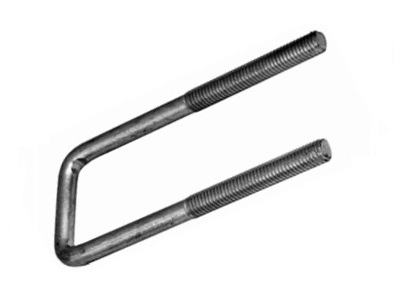
What Are Thread Rods?
Thread rods, also known as threaded rods or all-thread rods, are long fasteners with continuous external threads along most or all of their length. Unlike a conventional bolt, a thread rod normally has no permanent head. This headless design allows users to cut the rod to a required length, pass it through components, or secure components between nuts and washers.
Because threads are available along the rod, the same basic component can serve many fastening arrangements. Thread rods are widely associated with construction, mechanical installation, pipe and equipment support, suspended systems, anchoring, and general fabrication. Industry references also identify their use in suspended electrical conduits, plumbing pipes, HVAC ductwork, sprinkler systems, ceilings, conveyor systems, and structural restraint applications.
For buyers, this distinction matters. Ordering a rod based only on diameter and length may result in a product that fits physically but does not meet the mechanical or environmental requirements of the application.
How Thread Rods Work
The basic operating principle is straightforward: the external threads on the rod engage with internal threads in a nut, threaded insert, coupling nut, anchor system, or another compatible component. Tightening the nut creates clamping force in the assembled connection.
In a typical two-sided assembly, a washer distributes contact pressure while a nut provides the threaded engagement needed to secure the rod. In suspended systems, one end may connect to a ceiling anchor while the other end supports a bracket, pipe clamp, cable tray, or equipment component.
Continuous Threading
Continuous external threads provide flexibility when the required engagement position changes during installation.
Nut-Based Assembly
Nuts can be positioned along the rod to accommodate different component thicknesses and installation arrangements.
Cut-to-Length Potential
Longer stock can often be cut into shorter pieces when the project requires customized dimensions, subject to the applicable manufacturing and finishing requirements.
Adaptable Connections
Coupling nuts, washers, brackets, anchors, and other compatible hardware can be combined with threaded rod assemblies.
The important engineering principle is that the rod should be treated as part of a complete connection rather than as an isolated component. The capacity of the final assembly can depend on the rod, nut, washer, anchor, base material, thread engagement, loading direction, installation quality, and surrounding structure.
Where Thread Rods Are Used
Thread rods are valuable when a project needs a flexible fastening member rather than a conventional headed bolt. Their simple geometry makes them useful across construction, manufacturing, maintenance, and industrial assembly.
Pipe and HVAC Support
Thread rods can be incorporated into hanger systems for pipes, HVAC ductwork, conduit, cable trays, and related building services.
Equipment Mounting
Machinery, brackets, frames, and equipment supports may use threaded rods where adjustable fastening and positioning are useful.
Construction and Anchoring
Certain threaded rod grades are used in anchoring and structural applications when the specification and engineering design call for them.
Industrial Fabrication
Fabricators can use threaded rods for tie assemblies, fixtures, frames, supports, and custom fastening arrangements.
How to Select Thread Rods
The most common purchasing problem is specifying too little information. A request such as “steel thread rods, 1/2 inch, 1 meter long” may still leave important questions about thread series, grade, finish, tolerance, and application.
- Define the application. Identify whether the rods will be used for suspension, equipment mounting, anchoring, general fabrication, piping, or another purpose.
- Confirm the diameter. Select the nominal diameter according to the design, mating hardware, required capacity, and available space.
- Confirm the thread specification. Inch products may use thread systems such as UNC or UNF, while metric products are normally specified by nominal diameter and pitch.
- Choose the material or grade. The required strength and service environment should determine the specification, not simply the lowest purchase price.
- Select the surface finish. Consider whether the rod will be used indoors, outdoors, in humid conditions, or in a corrosive environment.
- Specify length and quantity. State the finished length, required quantity, packaging requirements, and whether custom cutting is needed.
- Check mating components. The nut, washer, anchor, coupling nut, or insert must be compatible with the rod's diameter, thread, grade, and finish.
Materials, Grades, and Finishes
Thread rods are available in different steel and stainless-steel specifications. The correct choice depends on mechanical requirements and the environment in which the connection will operate.
| Material / Grade | Typical Characteristics | Common Considerations |
|---|---|---|
| ASTM A307 Grade A | General-purpose carbon steel fastener material | Suitable for many non-critical fastening applications when specified appropriately |
| ASTM A193 Grade B7 | Higher-strength alloy steel fastener material | Commonly associated with industrial bolting and elevated-temperature or pressure-related applications |
| F1554 Grades | Anchor rod specifications with defined mechanical requirements | Used for engineered anchorage where the project specification calls for the applicable grade |
| Stainless Steel | Improved corrosion resistance compared with ordinary carbon steel | Useful in moisture-prone or corrosive environments when the selected stainless specification is appropriate |
For example, ASTM A193 Grade B7 is commonly used for high-strength industrial applications such as flange connections, pressure equipment, and industrial piping. Reference data for B7 identifies minimum tensile strength of 125 ksi and minimum yield strength of 105 ksi under the cited requirements.
Surface finish is equally important. Plain steel can be appropriate in controlled environments, while zinc-plated or hot-dip galvanized options may be considered where additional corrosion protection is needed. Stainless steel can be appropriate for more demanding environments, but the exact grade should be matched to the exposure.
Important Thread Rod Specifications
A clear purchase specification helps prevent costly misunderstandings between the buyer, manufacturer, and installer. The following information is particularly useful when requesting a quotation.
| Specification | What to Define | Why It Matters |
|---|---|---|
| Diameter | Metric or inch nominal diameter | Determines compatibility and contributes to the mechanical capacity of the rod |
| Thread | Metric pitch, UNC, UNF, or specified thread standard | Ensures the rod and mating nut engage correctly |
| Length | Finished length or stock length | Controls installation fit and material utilization |
| Material / Grade | Required ASTM or other applicable specification | Defines mechanical and material requirements |
| Finish | Plain, zinc-coated, galvanized, stainless, or specified treatment | Influences corrosion resistance and compatibility |
| Quantity | Pieces, bundles, or total required length | Helps manufacturers plan production and packaging |
| Inspection / Documentation | Required certificates, reports, marking, or traceability | Important for controlled industrial and project applications |
For inch all-thread products, ASME B18.31.3 is commonly referenced for dimensions, while thread requirements may be specified using ASME B1.1 depending on the product and application. Published product data also commonly distinguishes between UNC, UNF, and other thread series.
Installation Best Practices
Even a correctly manufactured thread rod can perform poorly if the assembly is incorrectly installed. Good installation starts before tightening: inspect the threads, verify component compatibility, and confirm that the rod is not damaged, excessively bent, or contaminated.
- Confirm that the nut matches the rod's diameter and thread specification.
- Use compatible washers where the design requires load distribution or surface protection.
- Keep threads clean and free from debris that could interfere with nut engagement.
- Avoid forcing an incompatible nut onto the rod.
- Use the specified tightening procedure and torque where a project specification requires it.
- Protect coated or corrosion-resistant surfaces from unnecessary damage during handling.
- Inspect cut ends and remove burrs when rods are cut to length.
- For structural or safety-critical assemblies, follow the engineer's installation requirements.
A particularly important issue is thread compatibility. Metric and inch threads are not interchangeable simply because their nominal diameters appear similar. Likewise, different thread pitches can prevent proper engagement or create an unsafe assembly.
For engineered connections, installation should be based on the specified joint design. Published technical guidance emphasizes matching the rod, nut, washer, and installation procedure rather than treating the rod as an independent load-bearing component.
Common Thread Rod Problems
1. Choosing the Rod Only by Diameter
Two rods with the same nominal diameter can have different grades, finishes, thread systems, or intended applications. Diameter is only one part of the specification.
2. Ignoring the Environment
A plain carbon steel rod may not be the right choice for continuous outdoor exposure, high humidity, coastal conditions, or chemically aggressive environments. The material and coating should be evaluated against the actual service conditions.
3. Mixing Incompatible Hardware
A rod is only useful when its mating components are compatible. Incorrect thread pitch, unsuitable nut grade, or incompatible corrosion systems can create installation and service problems.
4. Treating All Thread Rod as Structural Rod
General-purpose threaded rod should not automatically be substituted for an engineered anchor rod or high-strength specification. Where the drawing or engineering document specifies a particular grade, that specification should control.
5. Ordering Without Dimensional Details
Requests that omit thread pitch, length tolerance, finish, standard, or packaging requirements can lead to additional clarification and longer purchasing cycles.
How to Prepare a Thread Rod Order
Whether you are purchasing for a construction project, industrial maintenance, equipment manufacturer, or distributor inventory, a structured inquiry can make communication faster and reduce specification errors.
Include the following information whenever possible:
- Product: fully threaded rod / thread rod / all-thread rod.
- Diameter: exact metric or inch nominal size.
- Thread: pitch or thread series.
- Length: individual finished length or standard stock length.
- Material: carbon steel, alloy steel, stainless steel, or specified grade.
- Standard: ASTM, ASME, DIN, ISO, or project-specific requirement where applicable.
- Finish: plain, zinc plated, hot-dip galvanized, or another specified treatment.
- Quantity: required pieces and delivery schedule.
- Application: enough information for the supplier to understand the service environment.
- Documentation: certificates, inspection documents, markings, or traceability requirements if needed.
This approach is particularly useful for custom or project-based orders. A manufacturer can evaluate the complete requirement and clarify technical points before production, helping reduce the risk of receiving a rod that fits dimensionally but does not match the actual application.
Frequently Asked Questions About Thread Rods
What are thread rods mainly used for?
Thread rods are commonly used for suspended support systems, pipe and HVAC installations, equipment mounting, construction fastening, anchoring, fabrication, and other assemblies that require a long threaded fastening member.
Are thread rods the same as all-thread rods?
In many commercial contexts, “threaded rod,” “thread rod,” and “all-thread rod” refer to a rod with continuous external threading. Exact terminology can vary between suppliers and industries, so the technical specification should be used to define the required product.
How do I choose the correct thread size?
Start with the mating component and project specification. For metric assemblies, define the nominal diameter and pitch. For inch assemblies, define the nominal diameter and thread series such as UNC or UNF where applicable. Never rely only on visual comparison.
Which thread rod material should I use outdoors?
The appropriate choice depends on the exposure. Zinc-coated or galvanized steel may be suitable for some outdoor environments, while stainless steel may be considered for more demanding corrosion conditions. Coastal, marine, chemical, and other aggressive environments require a more specific material and coating assessment.
Can thread rods be cut to a custom length?
Threaded rod is commonly supplied in standard lengths and can also be cut for certain applications. After cutting, the end should be properly finished so the nut can engage the thread without excessive resistance or cross-threading. Custom requirements should be confirmed with the supplier before ordering.
Is a higher-strength thread rod always better?
Not necessarily. The correct grade is the one that meets the engineering, environmental, compatibility, and applicable standard requirements. Selecting a higher-strength material without considering the complete joint can create compatibility, installation, or corrosion-related issues.
What information should I send when requesting a quotation?
Provide the diameter, thread specification, length, material or grade, finish, quantity, applicable standard, application, delivery requirement, and any documentation or inspection requirements. A drawing or specification sheet is especially useful for customized products.
Can thread rods be used for structural applications?
Certain threaded rods and anchor rods are manufactured for engineered structural applications, but general-purpose thread rod should not automatically be treated as a structural product. The required grade, design capacity, anchorage system, and installation procedure should come from the applicable engineering specification.
Need Thread Rods for Your Project?
The right threaded rod starts with the right specification. Whether you need standard steel thread rods, customized dimensions, specific grades, or project-based fastening solutions, clear technical requirements can help ensure the product matches the intended application.
Jiamei can be contacted through its official website to discuss your threaded rod requirements, including dimensions, material, finish, quantity, and application details.
Contact UsWhen contacting a supplier, providing a drawing, specification, sample, or detailed product description can help accelerate technical confirmation and quotation.