

How Spiral Wound Gaskets Improve Safety in Chemical Processing Facilities?
2026-03-19
Why Are Reliable Sealing Solutions Critical in Chemical Processing Facilities?
In modern chemical plants across North America, Europe, and Southeast Asia, process safety is tightly linked to sealing integrity. Equipment such as heat exchangers, pressure vessels, and ANSI flange connections operate under aggressive media, high pressure ratings, and elevated temperatures. Any leakage at flange joints can result in hazardous emissions, production downtime, or compliance violations under OSHA and EPA regulations.
In our experience working with industrial buyers, selecting the right sealing solution is not just about cost control but about long-term operational safety. Ningbo Kaxite Sealing Materials Co., Ltd. has consistently supported end users and EPC contractors by providing engineered sealing solutions tailored for chemical processing environments. Our factory focuses on stable performance under dynamic loading conditions, ensuring that sealing materials maintain integrity even during thermal cycling.
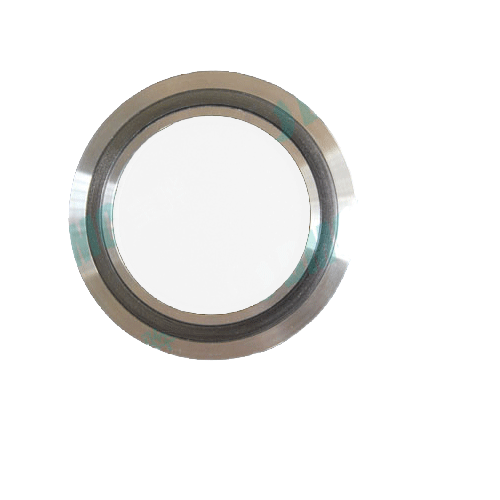
How Do Spiral Wound Gaskets Perform Under High Pressure and Temperature Conditions?
Spiral Wound Gaskets are widely used in Class 150 to Class 2500 flange systems due to their ability to withstand extreme operating conditions. Their semi-metallic construction combines a metal winding strip with a soft filler material, typically graphite or PTFE, allowing both resilience and sealing tightness.
Our engineering team has found that this structure enables the gasket to recover from compression changes, maintaining a tight seal even when pressure fluctuates. In refineries and chemical processing plants, where thermal expansion and contraction are frequent, this recovery capability directly enhances safety performance.
| Parameter | Typical Range |
| Pressure Class | Class 150 to Class 2500 |
| Temperature Range | -200°C to 550°C (depending on filler) |
| Filler Material | Graphite, PTFE |
| Metal Strip | SS304, SS316, SS321 |
| Standard Compliance | ASME B16.20, API standards |
These characteristics make Spiral Wound Gaskets a preferred solution for critical sealing points in chemical processing units.
What Design Features Make Spiral Wound Gaskets Safer Than Conventional Gaskets?
The safety advantage of Spiral Wound Gaskets lies in their layered design. The alternating metal and filler layers create a sealing element that resists blowout, even under sudden pressure spikes. This is especially important in applications involving volatile chemicals or high-pressure steam lines.
Our factory designs gaskets with inner and outer rings to enhance centering and prevent over-compression. This ensures consistent installation performance across different flange types, including raised face and ring type joint configurations. In addition, the metallic winding provides mechanical strength, while the filler material ensures tight sealing at the micro level.
Ningbo Kaxite Sealing Materials Co., Ltd. has optimized production processes to maintain uniform winding density, which directly impacts sealing reliability. Our quality control procedures ensure that every gasket meets strict dimensional and performance standards.
How Do Spiral Wound Gaskets Reduce Leakage Risks in Harsh Chemical Environments?
Leakage prevention is a key safety indicator in chemical facilities. Spiral Wound Gaskets offer excellent resistance to corrosive media such as acids, alkalis, and hydrocarbons when paired with the appropriate filler and metal materials.
Our engineering approach emphasizes material compatibility. For example, graphite-filled gaskets are widely used in high-temperature hydrocarbon processing, while PTFE fillers are selected for strong chemical resistance in aggressive media handling systems. This flexibility allows our solutions to adapt to various process conditions.
In real-world applications, our clients have reported reduced maintenance frequency and improved uptime after switching to high-performance sealing solutions from Kaxite. Our factory continuously refines material selection to meet evolving industry requirements.
| Application Area | Recommended Material |
| Acid Processing | PTFE Filler + SS316 |
| High Temperature Steam | Graphite Filler + SS304 |
| Petrochemical Units | Graphite Filler + SS321 |
| Corrosive Gas Systems | PTFE Filler + Alloy Steel |
How Can Proper Selection and Installation Enhance Safety Outcomes?
Even the best gasket design requires correct selection and installation to deliver optimal performance. Spiral Wound Gaskets must match flange specifications, bolt load requirements, and operating conditions. Improper torque application or misalignment can compromise sealing performance.
Our factory provides technical support to ensure proper installation practices, including torque guidelines and flange surface preparation. Our team also recommends periodic inspection schedules to detect early signs of wear or relaxation. By following these practices, operators can significantly reduce the risk of leakage and unplanned shutdowns.
Spiral Wound Gaskets also support compliance with international safety standards, making them suitable for global projects where regulatory alignment is critical.
FAQ
Q1: What makes spiral wound gaskets suitable for chemical processing safety?
They combine metal strength with soft sealing materials, allowing them to handle high pressure, temperature fluctuations, and aggressive chemicals. This dual structure ensures long-term sealing stability and reduces the risk of hazardous leaks in critical process systems.
Q2: How do spiral wound gaskets compare to non-metallic gaskets in high-risk environments?
Compared to non-metallic options, they provide better mechanical strength, higher pressure tolerance, and improved recovery after compression. This makes them more reliable in demanding environments such as reactors, pipelines, and heat exchangers.
Q3: How often should spiral wound gaskets be replaced in chemical plants?
Replacement depends on operating conditions, including pressure cycles, temperature exposure, and media type. In most industrial settings, inspection during scheduled maintenance is recommended, and replacement should be carried out if any signs of deformation, corrosion, or leakage risk are detected.
Conclusion
Ensuring safety in chemical processing facilities requires a combination of reliable materials, proper engineering, and consistent maintenance practices. Spiral Wound Gaskets play a critical role in maintaining sealing integrity under demanding conditions, helping operators minimize leakage risks and improve operational stability. Our factory continues to deliver high-performance sealing solutions tailored to global industrial standards.
If you are looking for dependable sealing solutions for your next project, contact our team today to get detailed specifications, technical support, and a customized quotation from our experts.