

Article Summary: Eye cosmetics cover a broad group of beauty products designed for the eyelids, eyelashes, eyebrows and surrounding eye area. Their performance depends on more than color or appearance. Texture, adhesion, ease of application, removal, ingredient selection, packaging and product stability all influence the user experience. This guide explains the main types of eye cosmetics, the role of different formulations, common problems such as smudging and irritation, and practical points buyers should consider when developing or sourcing eye makeup products.
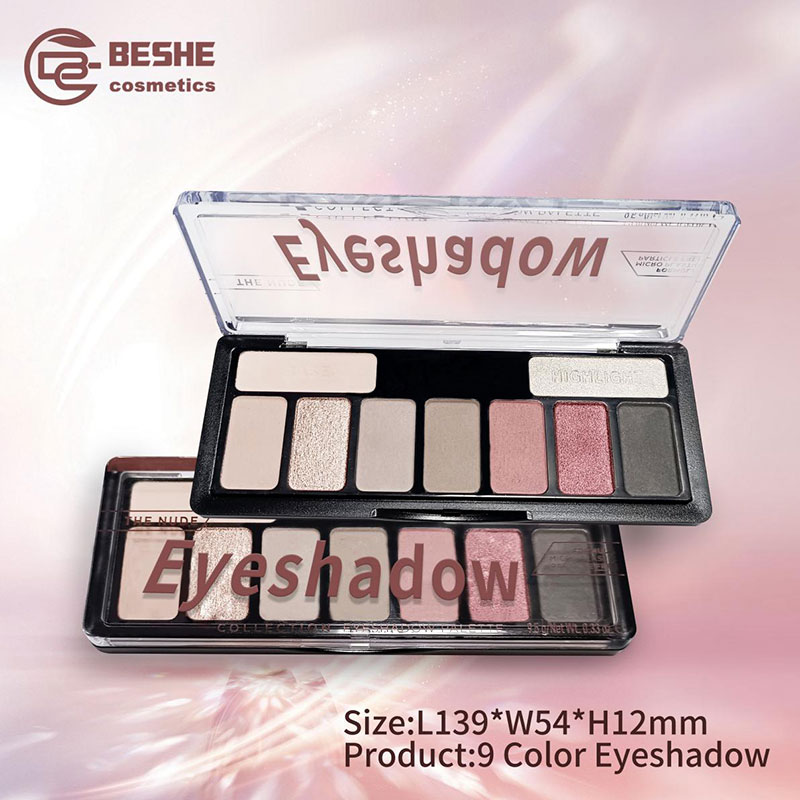
Understanding Eye Cosmetics
Eye cosmetics are beauty products developed specifically for enhancing the appearance of the eyes and the surrounding facial area. Depending on the product category, they may add color, create definition, increase the visual impact of lashes, shape the brows or create a particular makeup style.
The category is much broader than traditional eyeshadow and mascara. Modern eye cosmetics may include liquid eyeliner, gel eyeliner, pencil eyeliner, brow pencils, brow powders, brow gels, mascaras, eyeshadow palettes, cream shadows, lash primers and other specialized products. Each one has different requirements because it is applied to a different part of the eye area and used in a different way.
This makes formulation particularly important. A product that looks attractive in its container still needs to deliver consistent application, suitable texture, good wear characteristics and practical removal. For products used close to the eyes, cleanliness, packaging and correct ingredient selection also deserve careful attention.
Main Categories of Eye Cosmetics
Different eye cosmetics solve different beauty needs. Understanding the role of each category helps brands, distributors and buyers select suitable formulations and packaging rather than treating all eye makeup as the same type of product.
| Product Category | Main Function | Important Characteristics |
|---|---|---|
| Eyeshadow | Adds color, dimension and visual depth to the eyelids. | Pigmentation, blendability, texture and fallout control. |
| Eyeliner | Defines the lash line and changes the visual shape of the eyes. | Precision, smooth application, adhesion and wear resistance. |
| Mascara | Enhances the appearance of eyelashes. | Coating, separation, volume, lengthening and brush performance. |
| Eyebrow Products | Shapes, fills and defines brows. | Color accuracy, controllability and natural-looking application. |
| Cream Eye Makeup | Provides a softer, more emollient makeup finish. | Cream stability, spreadability and resistance to creasing. |
| Lash Primers | Prepare eyelashes before mascara application. | Lightweight coating, compatibility and ease of layering. |
For product developers, the intended application area should be established before selecting raw materials, pigments, preservatives, packaging and testing methods. The same colorant or texture approach cannot automatically be transferred from one cosmetic category to another.
What Makes an Eye Cosmetic Formula Work?
A successful eye cosmetic formula is usually the result of several components working together rather than a single standout ingredient. The base provides the desired texture, while pigments or other colorants create visual impact. Film-forming materials may contribute to adhesion and wear, while emollients can influence glide and comfort.
Pigments and Color
Color is one of the first things customers notice. However, strong pigmentation must be balanced with application control. Eyeshadow that delivers intense color but becomes difficult to blend may not provide the desired experience. Likewise, an eyeliner with excellent opacity still needs a smooth and controllable application.
Texture and Spreadability
Texture determines how a product behaves during application. Powder eyeshadows need an appropriate balance between adhesion and blendability. Pencil products need enough structure to maintain their shape while remaining comfortable to apply. Cream formulas require careful control of softness, spreadability and stability.
Film Formation and Wear
Long-wear performance is often associated with the ability of a cosmetic film to remain in place during normal daily activity. Depending on the formula, this may involve film-forming ingredients, waxes, polymers or other formulation components.
The objective is not simply to make a product extremely resistant. A formula that is too difficult to remove may create an inconvenient end-of-day experience. Good product development therefore considers both wear and removal.
Key Performance Requirements for Eye Cosmetics
Customers often judge eye makeup within seconds of application. They notice whether the product glides smoothly, whether the color appears as expected and whether the finished look remains attractive throughout the day. For commercial products, these details can have a direct influence on repeat purchasing.
Common Problems With Eye Makeup
Eye cosmetics can fail for surprisingly simple reasons. The formula may not match the packaging, the product may not suit the intended application method, or the balance between pigments, oils, waxes and film-forming components may be incorrect.
Smudging and Transfer
Eyeliner and mascara may transfer when the formula remains too soft or does not form a sufficiently durable film. Skin oils, humidity, rubbing and repeated facial movement can make the problem more noticeable.
Creasing
Cream and powder eye products can collect in eyelid folds when the texture, film formation or application thickness is not properly balanced. The solution is not always simply adding more long-wear ingredients. The entire formulation and application process should be evaluated.
Fallout
Powder eyeshadow can create unwanted particles beneath the eyes during application. Particle characteristics, binder level, pressing conditions and powder structure can all influence this behavior.
Drying or Formula Change
A product may become harder to apply when volatile components evaporate or when the formula changes during storage. Packaging therefore plays a role in preserving the intended product characteristics.
Inconsistent Color
Shade development is not finished when the color looks correct in a laboratory sample. Production-scale mixing, pigment dispersion, filling and packaging can influence the final appearance. Commercial batches should therefore be evaluated against an appropriate reference standard.
How to Evaluate Eye Cosmetics Before Purchase or Development
Buyers and product teams often focus heavily on price, packaging or shade selection. Those factors matter, but a more practical evaluation considers the complete product system.
- Define the target user and application area. A professional makeup product, everyday consumer product and sensitive-skin-focused product may require different development priorities.
- Review the ingredient list. Ingredient information helps buyers understand the formulation and identify components they may wish to avoid or investigate further.
- Check the intended use of color additives. Requirements for colorants can differ according to the area where the cosmetic is intended to be used.
- Evaluate the complete application experience. Test glide, pigmentation, blendability, drying behavior, finish and removal.
- Consider packaging compatibility. The container, applicator and closure need to work with the formula throughout the product's expected life.
- Request appropriate documentation. For commercial sourcing, specifications, ingredient information, quality records and applicable compliance documents can help establish a clearer purchasing basis.
From Formula to Finished Eye Cosmetic
Turning a cosmetic concept into a stable commercial product involves several stages. Product development commonly begins with a target specification covering shade, texture, finish, packaging format and expected performance.
1. Concept and Specification
The desired product profile is established first. This may include a particular shade family, matte or luminous finish, waterproof or regular wear characteristics, application method and packaging format.
2. Laboratory Development
Formulators then adjust the balance of raw materials to achieve the required texture and performance. Multiple versions may be created before the formula reaches a suitable level of stability and usability.
3. Stability and Compatibility Assessment
The product should be assessed under appropriate conditions to understand how the formula behaves over time. Packaging compatibility is equally important because the container may affect evaporation, oxidation, dispensing or other product characteristics.
4. Pilot and Production Scaling
A formula that performs well at laboratory scale may behave differently when production volumes increase. Mixing efficiency, dispersion, temperature control and filling conditions all need attention.
5. Finished Product Inspection
Finished products can be checked for appearance, fill quantity, packaging condition, labeling and other specifications defined for the product. Maintaining clear production records also helps improve consistency between batches.
Why Packaging Matters for Eye Cosmetics
Packaging is part of the product's performance system. A mascara formula depends on its brush and wiper design. A liquid eyeliner relies on an applicator capable of delivering an even line. Powder products need packaging that protects the pan and limits unnecessary contamination.
For liquid and cream products, the closure should provide an appropriate seal. Exposure to air may gradually alter the formula, while unsuitable dispensing components can create application problems.
Packaging should also support practical consumer habits. A product that is difficult to close properly may be more vulnerable to drying or contamination. Clear instructions for use, storage and disposal can help customers maintain better product hygiene.
| Packaging Element | What to Consider |
|---|---|
| Container | Material compatibility, sealing, appearance and durability. |
| Applicator | Shape, flexibility, precision and interaction with the formula. |
| Closure | Sealing performance and ease of opening and closing. |
| Label | Ingredient declaration, directions, warnings and other applicable information. |
Safe Use and Responsible Product Development
Because eye cosmetics are used close to the eyes, product hygiene and intended-use requirements deserve particular attention. The U.S. Food and Drug Administration advises consumers to use eye cosmetics only for their intended area, avoid sharing products, keep applicators clean and stop using a product if irritation occurs. It also advises against adding water or saliva to dried mascara because this can introduce microorganisms or affect the preservative system.
Color additives also require careful consideration. In the United States, a color additive must be permitted for its specific intended cosmetic use; approval for general cosmetic use does not automatically mean that it is permitted for the eye area. This is particularly important when developing colorful eyeshadows, eyeliners and other pigmented products.
For manufacturers and brands selling internationally, the exact regulatory requirements depend on the destination market. Ingredient restrictions, labeling rules, safety documentation and notification requirements can differ between countries or regions.
Consumers should also avoid using eye cosmetics when they have an active eye infection or inflamed skin around the eye. If a product causes persistent irritation, professional medical advice should be sought.
Changing Expectations in Eye Beauty
The eye cosmetics market continues to move beyond basic color and coverage. Customers increasingly expect products to be easy to use, visually distinctive and compatible with different daily routines.
Multi-Functional Products
Consumers may prefer products that combine several steps into one. A cream color product, for example, can be positioned for quick application, while certain brow products combine shaping and color.
More Refined Textures
There is continued interest in textures that feel lighter while still delivering visible color and satisfactory wear. This creates a formulation challenge: reducing a heavy feel without sacrificing pigmentation, adhesion or stability.
Portable Formats
Compact palettes, slim eyeliners and easy-to-carry mascara formats fit the needs of consumers who apply or refresh makeup away from home. For these products, packaging durability becomes especially important.
Greater Ingredient Awareness
Customers increasingly read labels and ask more detailed questions about ingredients, formulation choices and product suitability. Clear product information can therefore help establish confidence before purchase.
Frequently Asked Questions About Eye Cosmetics
Eye cosmetics commonly include eyeshadow, eyeliner, mascara, eyebrow pencils, brow powders, brow gels, lash primers and related makeup products intended for the eye area.
Eye cosmetics are applied close to a sensitive area and often require a combination of color, texture, adhesion, wear and easy removal. The formula therefore needs to match the intended application and product format.
No. Colorant requirements depend on the intended area of use and the regulations of the target market. For example, U.S. regulations specifically distinguish color additives permitted for the eye area from those permitted only for other cosmetic applications.
Formula composition, packaging, closure performance and repeated exposure to air can all influence product consistency over time. Frequent pumping of the wand can also introduce additional air into some mascara packages.
Keep hands and applicators clean, avoid sharing products, keep containers closed when not in use and follow the manufacturer's storage and replacement instructions. Products should not be modified by adding water or saliva.
Buyers can ask about formulation specifications, ingredient information, target-market compliance, testing procedures, packaging compatibility, production capacity, quality control, minimum order requirements, sample availability and customization options.
Many cosmetic manufacturers offer some level of customization, which may include formula development, shades, textures, packaging, applicators and labeling. The available options depend on the manufacturer's capabilities and the project's requirements.
The choice should be based on the intended finish, application method, target customer, desired wear characteristics, packaging format and overall product positioning. Sampling different textures is usually the most practical way to compare them.
Develop Your Next Eye Cosmetics Product
A successful eye cosmetics product starts with a clear understanding of the target market, application requirements and desired user experience. From color development and texture selection to packaging compatibility and finished-product consistency, every detail can influence the final result.
GuangDong B.C.Biotech Co.,Ltd. can support brands and professional buyers looking for practical solutions for eye cosmetic product development and sourcing. If you are planning a new product, private-label project or customized eye makeup line, contact us to discuss your requirements, product specifications and development needs.
Contact Us