

What Are Thread Rods and How Are They Used in Industrial Projects?
2026-09-24
Article Summary
Thread rods, also called threaded rods, all-thread rods or fully threaded rods, are long metal fasteners with continuous external threads. Unlike conventional bolts, they normally do not have a permanent head, allowing nuts, washers, couplers and other threaded components to be positioned along the rod. This makes them useful for equipment mounting, pipe support, structural anchoring, fabrication, machinery installation and many general fastening applications.
The right thread rod is not selected by diameter alone. A reliable specification normally considers the required load, steel grade, thread series, corrosion environment, operating temperature, connection design, length and applicable standard. ASTM F1554, for example, covers steel anchor bolts and anchor rods in specified strength grades, while ASTM A193 Grade B7 is widely associated with high-strength industrial bolting applications.
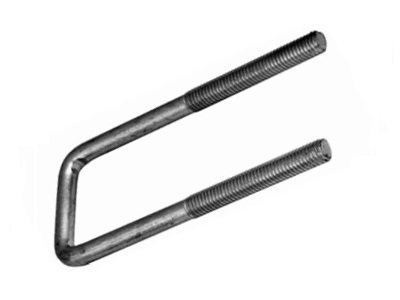
1. What Thread Rods Are
A thread rod is essentially a long metal rod with external threads running along part or all of its length. In many common designs, the rod is threaded continuously from end to end, which is why the product is also known as an all-thread rod or fully threaded rod. Standard commercial versions are often supplied in longer lengths and can also be cut to a project-specific dimension.
The absence of a conventional bolt head is one of the main reasons thread rods are useful. A conventional bolt generally connects two components from one direction, while a threaded rod can be secured with nuts on either side or combined with couplers, plates, brackets and other threaded hardware. This gives installers more flexibility when the required connection length varies.
In construction and industrial installation, the term can cover several products that look similar but have very different engineering purposes. A general-purpose carbon steel threaded rod should not automatically be treated as a structural anchor rod or high-temperature industrial fastener. The required specification should always come from the design conditions and applicable standard rather than appearance.
2. How Thread Rods Are Constructed
A typical thread rod begins with steel bar or wire suitable for the required diameter and grade. Depending on the product specification, threads may be formed by rolling, cutting or grinding. ASTM F1554, for example, permits different threading methods unless a project specification states otherwise.
Thread quality matters because the threaded section transfers load through the mating nut or internally threaded component. Damaged crests, burrs, incorrect pitch or poorly formed threads can make assembly difficult and may reduce the effectiveness of the connection.
For cut-to-length products, the ends may also be chamfered after cutting. This small detail is useful during installation because a properly prepared end makes it easier for the nut to start without damaging the first threads.
| Component Feature | Why It Matters | Typical Buyer Concern |
|---|---|---|
| Rod diameter | Affects load capacity and compatibility | Correct nominal size |
| Thread pitch | Determines nut compatibility and engagement | UNC, UNF, 8UN or metric pitch |
| Steel grade | Determines mechanical performance | Strength and standard compliance |
| Surface finish | Influences corrosion resistance | Plain, zinc plated or galvanized |
| Overall length | Determines installation flexibility | Stock length or custom cut length |
3. Common Materials and Grades
Material selection should follow the actual service environment rather than simply choosing the strongest-looking product. Carbon steel thread rods are commonly used for general construction and equipment fastening, while alloy steel grades are selected when higher mechanical performance is required. Stainless steel versions are useful where corrosion resistance is an important part of the specification.
ASTM A193 Grade B7 is a commonly used high-strength alloy steel grade for industrial bolting and is associated with applications such as flanges, valves, pressure vessels and process piping. Stainless grades such as B8 and B8M are also used where corrosion resistance is required.
Anchor applications require additional attention. ASTM F1554 covers straight and bent, headed and headless steel anchor bolts, including all-thread rod used for anchoring to concrete. The specification includes Grade 36, Grade 55 and Grade 105 strength levels and addresses chemical, mechanical and dimensional requirements.
Carbon Steel
A practical option for many general fastening and construction applications where extreme corrosion resistance is not required.
Alloy Steel
Suitable for demanding industrial connections where a specified strength grade and controlled mechanical properties are required.
Stainless Steel
Used when the surrounding environment creates greater corrosion concerns, including many outdoor, chemical and process applications.
4. Thread Types and Dimensions
Thread compatibility is one of the easiest details to overlook during procurement. A rod may have the correct diameter and still be unusable if its thread pitch or thread series does not match the nut or mating component.
Common inch thread series include Unified National Coarse (UNC), Unified National Fine (UNF) and 8-Thread Series (8UN). UNC is widely used, while UNF can be selected for applications requiring a finer thread. The 8UN series is used for certain larger-diameter applications and specific high-strength grades.
Metric thread rods follow metric thread designations, where diameter and pitch are specified in millimeters. For international projects, the drawing or purchase specification should clearly identify the thread standard rather than simply stating a nominal diameter.
- Confirm nominal diameter before ordering.
- Confirm thread pitch or threads per inch.
- Check whether the design requires coarse, fine or special thread.
- Match the rod with the correct nut and washer specification.
- Confirm the required finished length and tolerance.
- Check whether the thread needs to run continuously along the rod.
5. Industrial Applications
The versatility of thread rods comes from their simple geometry. A single rod can be used as a fastening member, suspension component, anchor element or adjustable connection when paired with the appropriate hardware.
Thread rods are commonly incorporated into support assemblies for pipes, ducts, cable systems and mechanical equipment. Their length can be adjusted to accommodate different installation heights.
Specified anchor rods can secure structural supports and equipment to concrete foundations. ASTM F1554 specifically covers anchor bolts and all-thread rod used for anchoring structural supports to concrete foundations.
Threaded rods can be incorporated into equipment mounting and alignment systems where adjustable fastening is useful.
Fabricators use threaded rod in brackets, frames, support assemblies, fixtures and custom fastening structures where a conventional headed bolt is inconvenient.
Cut-to-length rods can be useful when replacement fasteners require a non-standard length or when the assembly needs a longer threaded engagement.
6. Key Selection Considerations
A purchasing mistake often starts with an incomplete description such as “M16 threaded rod” or “1/2 inch all-thread.” Diameter alone does not define the complete product. A professional RFQ should give the supplier enough information to identify the exact rod required.
| Specification | Information to Confirm |
|---|---|
| Material | Carbon steel, alloy steel, stainless steel or specified material |
| Grade | Applicable ASTM, DIN, ISO or project-specific grade |
| Diameter | Metric or inch nominal diameter |
| Thread | Pitch, TPI and thread series |
| Length | Standard stock length or customized cut length |
| Finish | Plain, plated, galvanized or another specified treatment |
| Documentation | Inspection report, material certificate or compliance documentation when required |
Environmental conditions should also be considered early. Indoor dry applications may have very different requirements from outdoor, coastal, chemical-processing or high-temperature environments. Surface treatment can provide corrosion protection, but coating selection should be compatible with the actual service conditions and applicable specification.
7. Manufacturing and Quality Checks
For industrial buyers, quality should be verified through measurable specifications rather than appearance alone. Two rods may look almost identical while having different steel grades, tensile properties or thread specifications.
Depending on the application, useful quality checks can include material verification, dimensional inspection, thread gauge inspection, surface inspection, mechanical testing and coating inspection. For products supplied to a defined standard, documentation should correspond to the exact grade and batch supplied.
For example, ASTM F1554 includes requirements covering chemical composition, mechanical properties and dimensional characteristics for specified anchor bolt grades. This illustrates why a specification-based purchasing process is more reliable than choosing a product based only on nominal size.
For large projects, buyers may also want batch traceability and material certificates so the delivered rods can be connected to the relevant production lot. This becomes particularly useful when the fasteners are installed in structural, industrial or safety-sensitive systems.
8. Common Purchasing Mistakes
Ordering by diameter only. A diameter does not identify the complete thread rod. Thread series, pitch, grade, finish and length may all affect compatibility and performance.
Using a general-purpose rod for a structural application. Structural anchoring requires an appropriate design and specified material grade. ASTM F1554, for instance, is specifically intended for steel anchor bolts and anchor rods used to anchor structural supports to concrete foundations.
Ignoring the service environment. A plain carbon steel rod may be unsuitable for an application with significant moisture or corrosive exposure. Material and surface protection should be selected according to actual conditions.
Mixing incompatible threads. A nut must match the rod's thread diameter and pitch. For inch products, UNC, UNF and 8UN are not interchangeable simply because the nominal diameter is similar.
Failing to define documentation requirements. If a project requires material certificates, inspection reports, traceability or a specific standard, those requirements should be included in the purchase order rather than discussed after production.
A Practical RFQ Checklist for Thread Rods
When requesting a quotation, providing a complete specification can reduce back-and-forth communication and help prevent incorrect shipments.
- Product: Thread Rod / All-Thread Rod / Anchor Rod
- Material and grade
- Applicable standard
- Nominal diameter
- Thread pitch or TPI
- Thread series
- Overall length
- Surface treatment
- Required quantity
- Packaging requirements
- Inspection or certification requirements
9. Frequently Asked Questions About Thread Rods
Are thread rods and all-thread rods the same product?
In many commercial applications, “thread rod,” “threaded rod” and “all-thread rod” refer to a rod with continuous external threads. However, terminology can vary between suppliers and industries, so the actual dimensions and technical specification should be checked before ordering.
Can thread rods be cut to custom lengths?
Yes. Longer all-thread rods can be cut to specified lengths, and cut ends may be chamfered to facilitate nut installation. Custom lengths are useful when standard stock sizes create excessive waste or do not fit the installation design.
Which thread series are commonly used?
For inch-dimensioned products, UNC, UNF and 8UN are common thread series. Metric thread rods use metric diameter and pitch designations. The correct choice depends on the mating hardware and engineering specification.
Are all thread rods suitable for structural anchoring?
No. Structural anchoring requires an appropriate design, material and applicable specification. ASTM F1554 specifically covers steel anchor bolts and anchor rods for anchoring structural supports to concrete foundations, including specified strength grades.
Why does the steel grade matter?
The steel grade defines important mechanical and chemical requirements. A general-purpose carbon steel rod and a high-strength alloy steel rod may have very different intended applications, even if their external dimensions are similar.
What information should buyers provide when requesting a quotation?
At minimum, provide the material or grade, diameter, thread type, pitch, length, surface finish, quantity and applicable standard. For industrial orders, also state testing, certification, traceability and packaging requirements when applicable.
Need Thread Rods for Your Project?
Choosing the right threaded rod starts with a clear specification. Whether your requirement involves standard fastening, equipment installation, pipe support or specified anchor rod applications, Jiamei can work with your drawings and purchasing requirements to confirm the appropriate material, dimensions, thread configuration and production details.
Contact us with your required diameter, length, material grade, thread specification and quantity. Jiamei can help you confirm the product details and prepare a quotation for your project.