
Steel fasteners are essential mechanical components used to connect, secure, and assemble different materials across construction, machinery, automotive, energy, and industrial applications. Although they are often small compared with the structures they support, their quality directly affects safety, durability, and overall system performance.
From bolts and screws to threaded rods and customized fastening solutions, steel fasteners provide reliable connections that withstand vibration, pressure, temperature changes, and heavy loads. Selecting the right fastener requires an understanding of material properties, surface treatment, application requirements, and manufacturing standards.
This guide explains what steel fasteners are, how they work, why they matter, how to choose the correct products, and how professional suppliers such as Jiamei support customers with dependable fastening solutions.
1. What Is a Steel Fastener?
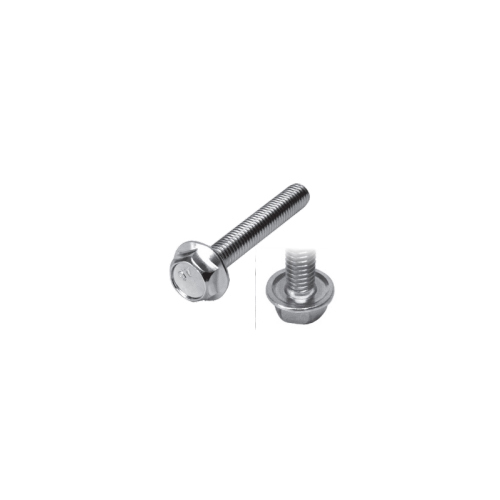
A steel fastener is a hardware component manufactured mainly from steel and designed to join two or more parts together. Unlike permanent joining methods such as welding, fasteners create removable connections that allow easier installation, maintenance, repair, and replacement.
Steel is widely selected for fastener manufacturing because it offers an excellent balance of strength, toughness, availability, and cost efficiency. Depending on the application, steel fasteners can be produced from carbon steel, alloy steel, stainless steel, or specially treated steel materials.
A typical steel fastener works by generating clamping force between connected components. When properly installed, this force keeps parts securely positioned while resisting external forces such as vibration, tension, shear loads, and environmental stress.
- Connecting structural components securely
- Maintaining mechanical stability under load
- Allowing easier assembly and maintenance
- Supporting reliable equipment operation
- Improving production efficiency through standardized installation
For engineers and purchasing teams, choosing the correct steel fastener is not only about selecting a suitable size. Factors such as material grade, thread design, strength rating, corrosion resistance, and operating environment must all be considered.
2. Steel Materials Used in Fastener Production
Different industrial environments require different levels of strength and protection. Steel fasteners are manufactured using various steel grades to meet specific mechanical and environmental requirements.
| Steel Type | Main Characteristics | Typical Applications |
|---|---|---|
| Carbon Steel | Good strength, economical, widely available | General construction, machinery assembly, standard fastening |
| Alloy Steel | Higher strength and improved hardness | Heavy equipment, automotive, industrial machinery |
| Stainless Steel | Excellent corrosion resistance and durability | Food equipment, outdoor structures, chemical environments |
| High Strength Steel | Designed for demanding load conditions | Bridges, infrastructure, heavy engineering projects |
Material selection should always match the working conditions. A fastener used indoors in a controlled environment may require different properties from one installed outdoors, underground, or in a high-temperature industrial facility.
Mechanical Performance Factors
Important mechanical characteristics include tensile strength, yield strength, hardness, fatigue resistance, and elongation. These properties determine how well a fastener performs when exposed to repeated loads or extreme operating conditions.
For example, high-strength alloy steel fasteners are often selected for applications where structural reliability is critical, while stainless steel fasteners are preferred where corrosion resistance is a primary concern.
3. Why Steel Fasteners Are Important?
Steel fasteners may represent only a small portion of a complete product or structure, but their performance has a direct influence on safety and reliability. Poor-quality fastening components can lead to loose connections, equipment failure, increased maintenance costs, and unexpected downtime.
Supporting Structural Safety
In construction and industrial equipment, fasteners transfer loads between connected components. Their strength and reliability help maintain structural integrity during normal operation and unexpected stress conditions.
Improving Equipment Reliability
Machinery often operates under vibration and repeated movement. High-quality steel fasteners help prevent connection failure caused by loosening, fatigue, or excessive stress.
Reducing Maintenance Requirements
Using suitable fasteners reduces the frequency of repairs caused by connection problems. Correct material selection and proper installation can extend service life and improve operational efficiency.
Supporting Efficient Manufacturing
Standardized steel fasteners allow manufacturers to simplify assembly processes, improve production consistency, and reduce installation complexity.
4. Common Types of Steel Fasteners
Steel fasteners are available in many designs to meet different connection requirements. Selecting the correct type depends on the application, load direction, installation method, and environmental conditions.
| Fastener Type | Description | Common Uses |
|---|---|---|
| Steel Bolts | Threaded fasteners used with nuts for strong mechanical connections | Construction frames, machinery, equipment assembly |
| Steel Screws | Fasteners with threads designed for direct material engagement | General assembly, industrial products |
| Thread Rods | Long threaded rods that provide flexible fastening solutions | Construction support systems, industrial installations |
| Nuts | Threaded components paired with bolts or rods | Secure mechanical connections |
| Washers | Components used to distribute load and protect surfaces | Improving connection stability |
Each fastener type has specific advantages. For example, threaded rods provide flexibility for customized installation lengths, while bolts are commonly preferred for structural connections requiring high strength.
5. Industrial Applications of Steel Fasteners
Steel fasteners are widely used across multiple industries because they provide strong, reliable, and service-friendly connection solutions. From large infrastructure projects to precision manufacturing equipment, these components play an important role in maintaining product safety and operational performance.
Construction and Infrastructure
Construction projects depend heavily on steel fasteners for connecting steel structures, support systems, bridges, buildings, and mechanical installations. Fasteners used in these environments must withstand heavy loads, changing weather conditions, and long-term structural stress.
Engineers usually consider strength grade, corrosion protection, installation method, and inspection requirements when selecting construction fasteners. A suitable steel fastener helps maintain structural stability throughout the service life of the project.
Automotive Manufacturing
Automotive systems contain thousands of fastening points that connect engines, chassis components, body structures, and internal assemblies. These fasteners must tolerate vibration, temperature variation, and repeated mechanical stress.
High-strength steel fasteners are commonly selected for automotive applications because they provide dependable connections while maintaining precise assembly performance.
Industrial Machinery
Manufacturing equipment, processing machines, and automation systems require fasteners that can maintain tight connections during continuous operation. Loose connections may result in vibration problems, equipment damage, or production interruptions.
Steel fasteners with appropriate strength and surface protection help improve machine reliability and reduce unexpected maintenance requirements.
Energy and Heavy Equipment
Wind power systems, mining equipment, agricultural machinery, and energy facilities often operate under demanding conditions. These applications require fastening solutions capable of handling high loads, outdoor exposure, and long operating cycles.
- Construction and building engineering
- Automotive and transportation manufacturing
- Mechanical equipment production
- Energy and power projects
- Shipbuilding and marine applications
- Industrial automation systems
- Infrastructure maintenance
6. How to Select the Right Steel Fastener?
Choosing the correct steel fastener requires careful evaluation of the working environment, mechanical requirements, and installation conditions. Selecting based only on size or price may create problems later, including premature failure, corrosion issues, or insufficient connection strength.
Consider Load Requirements
The first step is understanding the forces acting on the connection. Tensile loads, shear forces, vibration, and impact conditions all influence fastener selection.
For heavy-duty applications, high-strength steel fasteners may be required to ensure sufficient load capacity. For lighter applications, standard carbon steel options may provide an economical and reliable solution.
Match the Correct Fastener Size
Diameter, length, thread type, and installation space are important factors. An incorrectly sized fastener may not provide enough clamping force or may interfere with surrounding components.
| Selection Factor | Why It Matters |
|---|---|
| Material Grade | Determines strength, hardness, and environmental resistance |
| Thread Design | Affects installation performance and connection stability |
| Size and Length | Ensures proper engagement and load distribution |
| Surface Treatment | Improves corrosion resistance and service life |
| Operating Environment | Determines required durability and protection level |
Evaluate Environmental Conditions
The surrounding environment has a significant impact on fastener performance. Outdoor installations, coastal locations, chemical facilities, and high-humidity environments require stronger corrosion protection.
For these conditions, stainless steel fasteners or coated steel fasteners may provide better long-term reliability compared with untreated carbon steel products.
Check Manufacturing Standards
Reliable fasteners should be produced according to recognized manufacturing requirements. Quality control during material selection, forming, threading, heat treatment, and surface finishing helps ensure consistent performance.
Think About Installation Efficiency
The best fastener is not always the strongest option. It should also support efficient installation and maintenance. Factors such as accessibility, assembly tools, replacement requirements, and production speed should be considered.
- Required material grade
- Fastener dimensions and specifications
- Load and operating conditions
- Corrosion protection requirements
- Quantity and delivery requirements
- Applicable industry standards
7. Surface Treatments and Corrosion Protection
Although steel provides excellent mechanical strength, untreated steel may be vulnerable to corrosion when exposed to moisture, chemicals, or harsh environments. Surface treatment improves durability and extends the working life of fasteners.
Zinc Plating
Zinc plating is one of the most common protective treatments for steel fasteners. It creates a protective layer that helps reduce corrosion and improves appearance.
Zinc-plated fasteners are commonly used in general industrial applications, indoor equipment, and environments with moderate exposure.
Hot-Dip Galvanizing
Hot-dip galvanizing creates a thicker zinc coating compared with standard plating. It is often selected for outdoor structures, construction projects, and applications requiring stronger corrosion resistance.
Black Oxide Treatment
Black oxide provides a dark surface finish and improves appearance while offering basic corrosion protection. It is commonly used for indoor machinery and precision components.
Stainless Steel Protection
Stainless steel naturally provides corrosion resistance because of its chromium content. It is often selected for food processing equipment, marine applications, chemical environments, and outdoor installations.
| Surface Treatment | Main Advantage | Suitable Environment |
|---|---|---|
| Zinc Plating | Economical corrosion protection | General industrial use |
| Hot-Dip Galvanizing | Strong protective coating | Outdoor construction and infrastructure |
| Black Oxide | Appearance improvement and basic protection | Indoor machinery |
| Stainless Steel | Natural corrosion resistance | Marine, chemical, food industries |
8. Quality Considerations Before Purchasing Steel Fasteners
Purchasing reliable steel fasteners requires attention to more than product appearance. Consistent quality, accurate dimensions, and stable mechanical performance are essential for long-term application success.
Material Inspection
Quality suppliers verify incoming raw materials to ensure the steel grade matches customer requirements. Proper material control helps prevent performance issues caused by incorrect composition or inconsistent strength.
Dimensional Accuracy
Precise dimensions ensure proper installation and compatibility with connected components. Thread accuracy is especially important because poor threading may affect assembly efficiency and connection reliability.
Mechanical Testing
Depending on application requirements, fasteners may require testing for tensile strength, hardness, torque performance, and other mechanical characteristics.
Surface Quality Inspection
Surface treatment should provide consistent coverage and protection. Inspection helps identify issues such as uneven coating, surface defects, or insufficient corrosion resistance.
Reliable Supply Capability
For industrial customers, stable production capacity and delivery reliability are also important considerations. A dependable supplier helps customers maintain production schedules and avoid delays caused by inconsistent supply.
With professional manufacturing experience and a focus on product reliability, Jiamei provides steel fastener solutions designed to meet different industrial requirements. The company supports customers with various fastening products suitable for construction, machinery, and industrial applications.
9. Frequently Asked Questions About Steel Fasteners
1. What is the main purpose of a steel fastener?
A steel fastener connects and secures multiple components together while providing reliable mechanical strength. It helps maintain structural stability and allows easier assembly, maintenance, and replacement.
2. Why are steel fasteners commonly used in industrial applications?
Steel fasteners offer a strong combination of durability, load capacity, availability, and cost efficiency. They can be customized with different materials and surface treatments for various working environments.
3. How do I choose the correct steel fastener size?
The correct size depends on connection requirements, load conditions, material thickness, installation space, and engineering specifications. Diameter and length should match the actual application.
4. Are stainless steel fasteners stronger than carbon steel fasteners?
Not always. Stainless steel provides excellent corrosion resistance, but strength depends on the specific grade and manufacturing process. Carbon steel and alloy steel may provide higher strength for certain heavy-duty applications.
5. How can steel fasteners prevent corrosion?
Corrosion protection can be achieved through surface treatments such as zinc plating, galvanizing, coatings, or by using corrosion-resistant stainless steel materials.
6. What industries use steel fasteners?
Steel fasteners are used in construction, automotive manufacturing, industrial machinery, energy projects, transportation equipment, and many other engineering fields.
7. Why is supplier selection important for steel fasteners?
A reliable supplier provides consistent material quality, accurate manufacturing, stable delivery, and technical support, helping customers reduce application risks.
Conclusion: Choosing Reliable Steel Fasteners for Long-Term Performance
Steel fasteners are fundamental components that support countless products, machines, and structures worldwide. Although small in size, their quality directly affects safety, durability, and operational reliability.
Understanding material selection, fastener types, surface treatments, and application requirements allows customers to make better purchasing decisions. The right fastening solution can reduce maintenance problems, improve equipment performance, and create stronger connections.
As an experienced fastening solution provider, Jiamei focuses on delivering dependable steel fastener products that meet different industrial needs. Through careful manufacturing and quality control, the company helps customers achieve secure and efficient fastening solutions.
Need Reliable Steel Fastener Solutions?
Whether you require standard steel fasteners, customized fastening products, or professional support for industrial applications, Jiamei is ready to provide suitable solutions based on your project requirements.
For product specifications, technical assistance, or customized orders, contact us today and let our team help you find the right steel fastener solution for your application.
Visit the official website to explore more fastening products: https://www.jiameimetal.com/