

Thread rods may look like simple fastening components, but the right rod can make a significant difference in structural stability, installation efficiency, service life, and maintenance costs. Understanding thread type, material, diameter, length, surface finish, and application requirements is essential when a fastening system needs dependable performance.
Understanding Thread Rods: A Simple Component with a Critical Role
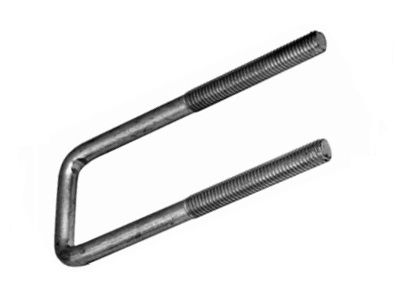
A thread rod is a long, straight metal rod featuring continuous external threads along part or most of its length. Unlike a conventional bolt, which normally has a defined head, a thread rod is designed to work with nuts, washers, couplers, brackets, anchors, and other fastening components. This makes it particularly useful when the fastening point needs to extend across a considerable distance or when the connection requires adjustment during installation.
Depending on the design and application, thread rods may be supplied in different diameters, lengths, thread configurations, materials, and surface finishes. The combination of these characteristics determines how the rod performs under tension, vibration, environmental exposure, and installation loads.
Provides flexible positioning for nuts, brackets, couplers, and other components along the rod.
Long lengths can be cut, joined, or adjusted to suit different structural and mechanical requirements.
Suitable for construction, equipment assembly, pipe support, HVAC systems, and many industrial installations.
Why Does Thread Rod Selection Matter?
One of the most common mistakes in fastening projects is treating all thread rods as interchangeable. Two rods may appear almost identical while offering very different performance characteristics. A rod intended for a controlled indoor environment may not be appropriate for an outdoor installation, while a general-purpose fastening rod may not meet the requirements of a heavily loaded structural assembly.
Incorrect selection can create several practical problems. Threads may become damaged during installation, nuts may not fit correctly, corrosion may reduce the usable service life, or the rod may not provide the required load-bearing performance. In large projects, even a small fastening issue can lead to installation delays and additional labor costs.
Key factors that should be evaluated include:
- Required mechanical strength and load conditions.
- Thread diameter and pitch.
- Required overall length.
- Material compatibility with the application environment.
- Exposure to moisture, chemicals, salt, or outdoor conditions.
- Required surface treatment and corrosion resistance.
- Nut, washer, coupling, and accessory compatibility.
- Dimensional consistency and thread quality.
- Quantity requirements and production consistency.
Do not select a thread rod based only on diameter and price. The complete fastening environment should be considered because material, finish, thread accuracy, and installation conditions can all affect long-term performance.
Thread Rod Materials and Performance
Material selection is one of the most important decisions when purchasing thread rods. The material affects strength, corrosion resistance, durability, machinability, appearance, and overall suitability for the working environment.
| Material Type | Typical Characteristics | Common Applications |
|---|---|---|
| Carbon Steel | Good mechanical performance and practical cost for general fastening applications. | Construction, machinery, equipment assembly, general support systems. |
| Stainless Steel | Strong resistance to corrosion and suitable for demanding environments. | Outdoor installations, humid environments, industrial equipment, architectural applications. |
| Zinc-Plated Steel | Steel substrate with a zinc coating that provides additional protection against corrosion. | General construction, indoor and moderately exposed installations. |
| Other Engineered Materials | Selected according to specialized mechanical, chemical, temperature, or environmental requirements. | Specialized industrial and engineering applications. |
Material should always be evaluated together with the operating environment. For example, a fastening system exposed to rain, humidity, coastal air, or industrial chemicals may require a higher level of corrosion resistance than an indoor assembly.
It is also important to consider galvanic compatibility. When different metals are connected in the presence of moisture or an electrolyte, galvanic corrosion may occur. Matching materials carefully can help reduce unnecessary deterioration at the connection.
How Do Diameter, Length, and Thread Specifications Affect Performance?
The physical dimensions of a thread rod directly influence installation and fastening performance. Choosing a rod that is too short can make assembly difficult, while excessive length can increase material waste and create clearance issues.
Diameter
Diameter affects the rod's load capacity and compatibility with nuts and other accessories. The required diameter should be determined according to the expected load, connection design, available space, and applicable engineering requirements.
Length
Thread rods are available in different lengths and can often be cut to suit specific installation conditions. When determining the required length, consider the thickness of connected components, washer and nut dimensions, required thread engagement, and any additional allowance needed for installation.
Thread Type and Pitch
Thread compatibility is essential. The rod and nut must have matching thread specifications. Depending on the market and application, thread rods may follow different dimensional standards and thread systems. Mixing incompatible thread specifications can result in poor engagement, cross-threading, or an unusable connection.
For projects involving multiple components, it is good practice to confirm the complete fastening specification before placing an order. This helps ensure that the rod, nut, washer, coupler, and other components work together as intended.
Surface Finish and Corrosion Protection
The surface condition of a thread rod can significantly affect its service life, especially in environments where moisture or corrosive substances are present. Surface finishes can provide additional protection while also improving appearance and handling characteristics.
Zinc plating is commonly used on steel fastening components because it provides a protective barrier against corrosion. Stainless steel, meanwhile, offers inherent corrosion resistance and is often selected for applications where environmental exposure is more demanding.
However, no surface finish should be treated as a universal solution. The actual environment, expected service life, maintenance conditions, temperature, exposure level, and material compatibility should all be evaluated.
- Indoor, dry applications may have relatively moderate corrosion requirements.
- Humid areas require greater attention to corrosion protection.
- Outdoor applications should account for rain and changing weather conditions.
- Coastal environments can expose fasteners to salt and increased corrosion risk.
- Industrial environments may involve chemicals or other aggressive substances.
Where Are Thread Rods Commonly Used?
Thread rods are valued for their versatility. Their continuous threaded design allows installers to create adjustable connections and support structures without relying on a conventional bolt head.
Used in structural connections, suspended systems, support assemblies, anchoring arrangements, and general building projects.
Useful for supporting ducts, pipes, equipment, brackets, and suspended installation systems.
Applied in machinery assembly, equipment mounting, maintenance work, and custom mechanical connections.
Electrical and cable-support systems may also use thread rods as part of suspended or bracket-based assemblies. In these situations, the rod is often combined with nuts, washers, channels, clamps, or other accessories to create a complete support system.
Their adaptability is particularly useful when installers need to adjust the position of a component after the main structure has already been assembled.
Which Thread Rod Specifications Should Be Checked Before Ordering?
A structured purchasing process can significantly reduce errors. Before ordering thread rods, buyers should prepare a clear specification sheet rather than relying on a general product description.
| Specification | Questions to Confirm | Why It Matters |
|---|---|---|
| Material | What material is suitable for the load and environment? | Influences strength, durability, and corrosion resistance. |
| Diameter | What diameter matches the engineering requirements? | Affects load capacity and accessory compatibility. |
| Length | What length is required for the installation? | Prevents insufficient engagement and unnecessary material waste. |
| Thread Specification | Which thread standard and pitch are required? | Ensures proper nut and accessory compatibility. |
| Surface Treatment | Is plating or another protective finish necessary? | Helps address corrosion and environmental exposure. |
| Quantity | What is the required order volume and delivery schedule? | Supports production planning and inventory control. |
A simple five-step purchasing process
- Identify the application and expected operating environment.
- Determine the required material and corrosion protection.
- Confirm diameter, length, thread standard, and pitch.
- Verify compatibility with nuts, washers, couplers, and mounting accessories.
- Confirm dimensional consistency, quality requirements, packaging, and delivery expectations with the supplier.
Common Thread Rod Purchasing and Installation Mistakes
1. Focusing Only on Price
A low unit price may appear attractive, but inconsistent dimensions, poor thread quality, unsuitable material, or inadequate corrosion protection can create higher costs later. The real purchasing goal should be reliable performance throughout the intended service period.
2. Ignoring the Working Environment
A rod used indoors under dry conditions may have very different requirements from one installed outdoors or in a humid industrial environment. Environmental exposure should be considered before selecting material and finish.
3. Ordering Without Confirming Thread Compatibility
Even a high-quality rod is unsuitable if its thread specification does not match the associated nuts or accessories. Always confirm the required thread system and pitch.
4. Choosing an Inadequate Length
Insufficient thread engagement can complicate installation and compromise the intended connection. Excessively long rods, on the other hand, can interfere with surrounding components or require additional cutting work.
5. Overlooking Quality Consistency
For large-volume projects, consistency is just as important as the specification itself. Variations in diameter, length, threading, straightness, or surface finish can slow installation and increase inspection requirements.
What Should Buyers Look for in a Reliable Thread Rod Supplier?
Supplier selection can have a major impact on project reliability. A dependable manufacturer should be able to clearly communicate product specifications and maintain consistent production quality across repeated orders.
- Clear specifications: Product dimensions, material information, thread details, and finish should be clearly defined.
- Consistent manufacturing: Production controls should help maintain dimensional and thread consistency.
- Application understanding: The supplier should be able to discuss practical fastening requirements rather than focusing only on product dimensions.
- Quality inspection: Appropriate inspection procedures help identify dimensional and surface issues before shipment.
- Stable supply: Consistent production capacity is important for repeat orders and long-term projects.
- Responsive communication: Technical questions and specification changes should be handled clearly and efficiently.
Jiamei provides fastening solutions for customers who need dependable thread rod products and related metal fasteners. When evaluating a supplier, buyers should communicate their application, dimensions, material requirements, quantity, and delivery expectations as clearly as possible. This allows the manufacturer to provide a more accurate product recommendation and quotation.
Share drawings, dimensional requirements, thread specifications, material preferences, surface treatment requirements, and expected quantities whenever available. Detailed information at the beginning of the project can reduce misunderstandings and make production planning more efficient.
Frequently Asked Questions About Thread Rods
What is a thread rod used for?
Thread rods are used to create adjustable threaded connections and support assemblies. Common applications include construction, HVAC systems, piping, electrical support systems, machinery assembly, equipment mounting, and general industrial fastening.
Are thread rods the same as threaded studs?
The terms can sometimes be used similarly, but product definitions vary by industry and supplier. A thread rod generally refers to a long rod with continuous external threading, while a threaded stud may be designed for a specific fastening configuration. Always confirm the exact product specification required for the application.
How do I determine the correct thread rod diameter?
Diameter should be determined according to the expected load, connection design, engineering requirements, available installation space, and compatible nuts and accessories. For critical structural applications, the required dimensions should be confirmed against the applicable engineering specifications.
Are stainless steel thread rods suitable for outdoor use?
Stainless steel can provide strong corrosion resistance and is commonly considered for outdoor and humid environments. However, the appropriate stainless steel grade and product specification depend on the actual environmental exposure, chemical conditions, temperature, and application requirements.
Can thread rods be cut to a custom length?
Many thread rods can be cut to suit specific installation requirements. When cutting a threaded rod, care should be taken to preserve the thread profile and ensure that the resulting end can accept the required nut or accessory properly.
Why is thread accuracy important?
Accurate threading helps ensure proper engagement between the rod and nut. Poorly formed or inconsistent threads can cause cross-threading, difficult installation, reduced connection reliability, and additional labor during assembly.
How can I reduce problems when purchasing thread rods in bulk?
Establish a detailed specification before ordering. Confirm material, diameter, length, thread standard, pitch, surface treatment, tolerance requirements, packaging, quantity, and delivery schedule. For repeat projects, maintaining the same approved specification can also improve consistency between orders.
Building More Reliable Connections Starts with the Right Thread Rod
Thread rods are simple in appearance, but their role in a fastening system can be highly important. The right product needs to match the mechanical requirements, environmental conditions, dimensional specifications, and installation method of the project. Material, diameter, length, thread compatibility, surface finish, and manufacturing consistency should all be considered together.
For contractors, engineers, distributors, and equipment manufacturers, taking time to define these requirements before purchasing can reduce installation problems, improve project efficiency, and support longer-lasting fastening systems. A reliable supplier can further simplify the process by helping customers confirm specifications and maintain consistent product quality.
Need Reliable Thread Rod Solutions?
Whether you need standard thread rods, bulk fastening components, or products matched to specific project requirements, Jiamei is ready to support your sourcing needs. Share your required material, dimensions, thread specifications, quantity, and application details to discuss the right solution. Contact us today to start your thread rod project.